09:30
Uzbekistan secures ADB loan to boost STEM education landscape
Uzbekistan has taken another major step toward strengthening STEM education nationwide by securing a $100 million loan from the Asian Development Bank.


Uzbekistan has taken another major step toward strengthening STEM education nationwide by securing a $100 million loan from the Asian Development Bank.
Passenger flight operations in Iran fell by about 12 percent in the first seven months of the Iranian year, with roughly 184,000 flights compared to 210,000 in the same period last year.
Tender offers, including sealed envelopes with full quotations and electronic submissions, will be accepted until 15:00 on December 26, 2025.
Iran’s rail exports have risen by 40 percent since the start of the current Iranian year. Shipments sailed to 1.85 million tons, a leap from last year's 1.3 million tons during the same stretch. Officials chalk up the growth to a sweetening of tariffs, a smoother wagon supply, and a robust backing from the private sector.
Iran's exports to African countries doubled in the first half of the current Iranian year, reaching $675 million. This figure already amounts to 80 percent of Iran’s total exports to the continent last year.
Iran’s iron and steel exports surged over the first seven months of the year, rising to nearly $5 billion in value and around 24 million tons in volume.
Foreign investment in Iran’s central Isfahan Province has surged dramatically, rising 39-fold since the start of the current Iranian year. The province attracted $254 million across 20 projects, compared to just $195,000 in the same period last year.
Flaring at Iran’s Darkhovin oil field has dropped sharply, falling from roughly 3.5 million cubic meters per day to about 570,000 cubic meters following system upgrades and the introduction of a gas injection compressor.

Uzbekistan’s tourism sector continues to grow strongly in 2025, with over 1.4 million foreign visitors arriving in the country in the first nine months—a rise of nearly half a million compared to the same period last year.
Crude oil production at the Ahvaz field of Iran’s National South Oilfields Company has risen to around 1,200 barrels per day at Well 21 following the introduction of a new mobile pumping station.
Uzbekistan is really hitting the ground running with its cashless infrastructure, as the total number of ATMs and self-service kiosks is climbing to nearly 40,000 by November 2025.
Iran’s Central Bank has allocated nearly $37 billion since March to support imports ranging from essential goods and medicines to major industrial supplies.
Sina Bank allocated 2. 01 quadrillion rials ($3. 37 billion) to various economic sectors in the first seven months of the current Iranian year. This included 1. 01 quadrillion rials in loans and another one quadrillion rials in guarantees and letters of credit.
Uzbekistan continues to see rapid expansion in cashless payments, with POS-terminal transactions surging to 360 trillion sums in the first ten months of 2025.
The number of MSMEs benefiting from these guarantees rose to 977, while nonperforming guaranteed loans accounted for 4.6 percent of total guaranteed lending.

Azerbaijan produced 57,600 tons of mazut from January through October this year, marking a significant increase compared to last year. Production rose by 30,700 tons, or 2. 1 times, from the 26,900 tons recorded in the same period of 2024.
By sector, wholesale and retail trade accounted for the largest share of MSME loans at 44.4 percent, followed by agriculture, forestry, and fisheries at 23.4 percent.
Global coal production is set to shift in the coming decade, with declines in China and advanced economies offset by growth in India, the International Energy Agency (IEA) said in its latest outlook.
Global coal demand is set to peak before 2030 and gradually decline over the following decades, as renewable energy takes a growing share of power generation, the International Energy Agency (IEA) said in its latest outlook.
Regionally, the capital city, Bishkek, remained the primary hub for trade-related MSME activity, although enterprises in other regions contributed substantially to both exports and imports.
By sector, agriculture, forestry, and fisheries dominated SME lending at 42.5 percent, followed by services, international trade,, and manufacturing. Construction, transport, and catering accounted for smaller shares of lending.
Tender proposals, including a sealed envelope with the full quotation and electronic documents, must be submitted till December 25, by 16:00 local time.

Azerbaijan’s production of bitumen declined to around 214,000 tons, while petroleum coke output rose to approximately 191,000 tons in the first ten months of the year.
The collection of flare gas at Iranon cubic meters of flare gas annually.
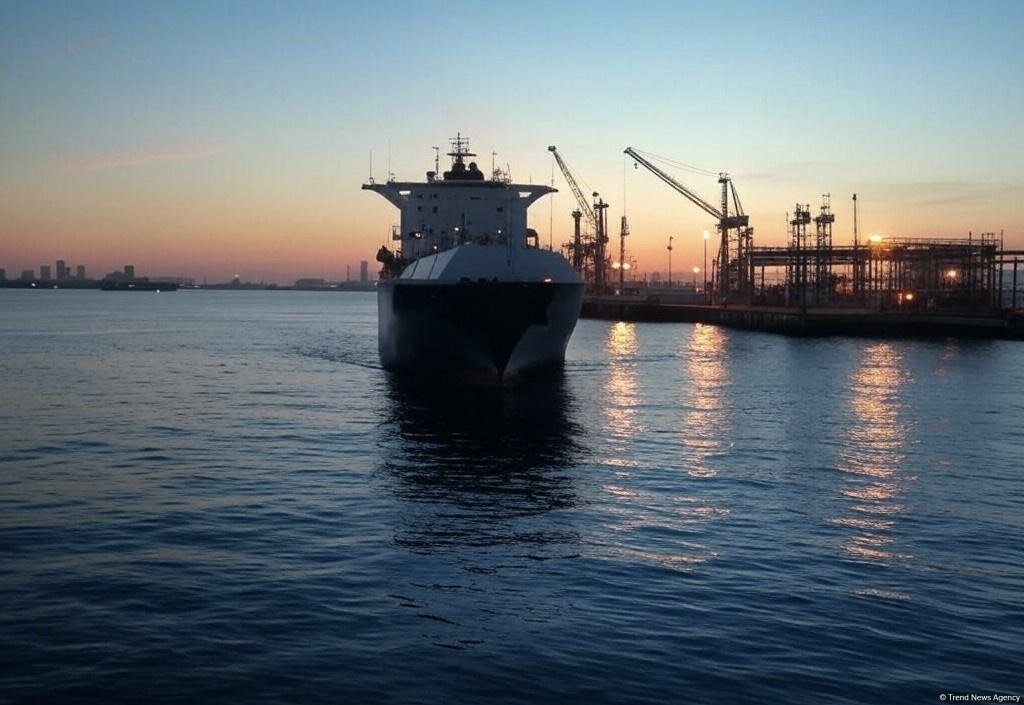
Global natural gas production will need to accelerate significantly to meet rising demand over the next decade, with the Middle East, the United States, and emerging LNG exporters driving growth, the International Energy Agency (IEA) said in its latest outlook.
In terms of sectoral distribution, other services remained the largest component, accounting for 48.5 percent of SMEs.

Azerbaijan imported around 78,200 passenger cars, 6,000 trucks, and 650 buses during the first nine months of the year.
Azerbaijan's white oil production has shown a 4.9% increase year-on-year, reflecting growth in the oil products manufacturing sector, which reached 4.5 billion manat ($2.6 billion) in 2025, signaling positive economic momentum in the country's energy industry.
The Iranian South Zagros Oil and Gas Production Company plans to produce 162 million cubic meters of gas per day and 17,000 barrels of crude oil per day. The company also aims to produce 48,000 barrels of gas condensate per day, while major repairs at production and processing facilities help maintain output and secure the winter energy supply.
Transactions on the Iran Energy Exchange (IRENEX) fell 59 percent last Iranian week (November 8-12) versus the previous week (November 1-5). Total sales reached 53. 7 trillion rials ($90 million), including 98,000 tons of hydrocarbon products worth 34.
Iran’s latest Bahar Azadi gold coin fell to 1. 17 billion rials ($1,959) on November 15 from 1. 19 billion rials ($1,997) on November 13. The older coin stood at 1. 11 billion rials ($1,866), while half and quarter coins traded at 607 million rials ($1,018) and 349 million rials ($585).

Azerbaijan’s information and communication services hit the ground running, racking up around 3.1 billion manat in the first ten months of the year, with nearly 72 percent catering to households.
OPEC+ oil production is set to rise steadily over the coming decades, with output projected to reach record levels by 2050, according to the latest International Energy Agency (IEA) outlook.
The Iran Mercantile Exchange (IME) sales rose 1.25 percent in value and 2.76 percent in weight last Iranian week (November 8-13) compared to November 1-6.
MSMEs were concentrated in the capital, Bishkek, hosting 64.9 percent of all firms, while the remaining 35.1 percent were spread across other regions.

SMEs contributed 60.4 percent of total GDP, maintaining their dominant share of the economy over recent years.
Capital-market activity was stronger across markets supervised by the Agency of Securities and Specialized Registration.
Fitch Ratings has assigned a ‘B-’ Insurer Financial Strength rating to Uzbekistan’s Infinity Insurance JSC, citing its small scale, capital pressures, and moderate profitability.
MSME employment grew 15.3 percent in 2023, following a period of slower expansion in previous years.
UZCARD is set to launch mutual card acceptance with Kyrgyz Elkart, enabling seamless payments across both countries.
Iran’s Hamadan Province has attracted $27 million in Chinese investment this month, funding two industrial plants that will create over 400 jobs.
Romania’s economy is set for a slow and fragile recovery as the IMF warns of rising fiscal risks, persistent inflation, and widening external imbalances. In its latest Article IV Consultation, the Fund urges Bucharest to fully implement fiscal reforms, maintain cautious monetary policy, and accelerate structural changes to safeguard stability and support growth.
Overall, the light industry sector maintained stable pricing, with increases in specific lot quantities such as terry products.

Azerbaijan’s retail sector shows robust growth in 2025, with pharmaceutical and medical device sales leading the way with a 24.2% year-on-year increase, contributing to a 3.8% overall rise in retail turnover

Azerbaijan has put its money where its mouth is, stashing over 500 million manat from its treasury account into deposits with three of the country’s biggest banks.
Global oil supply fell by 440,000 barrels per day (kb/d) in October to 108.2 million bpd, mainly due to a 520 kb/d drop in OPEC+ output, the International Energy Agency (IEA) said in its recent outlook.
Uzbekistan’s bank card market continues to grow, with a total of 65 million cards now issued nationwide. Xalq Bank remains the market leader, while other major banks also see steady increases in card circulation, reflecting rising financial inclusion across the country.

Uzbekistan’s mainline rail network has seen a steady increase in cargo transportation during the first nine months of 2025.

Azerbaijan’s chemical industry is on the upswing, with production climbing nearly six percent to hit around 1.92 billion manat. The pharmaceutical sector has hit the ground running, doubling its output, while rubber and plastic products are also making waves with significant increases.
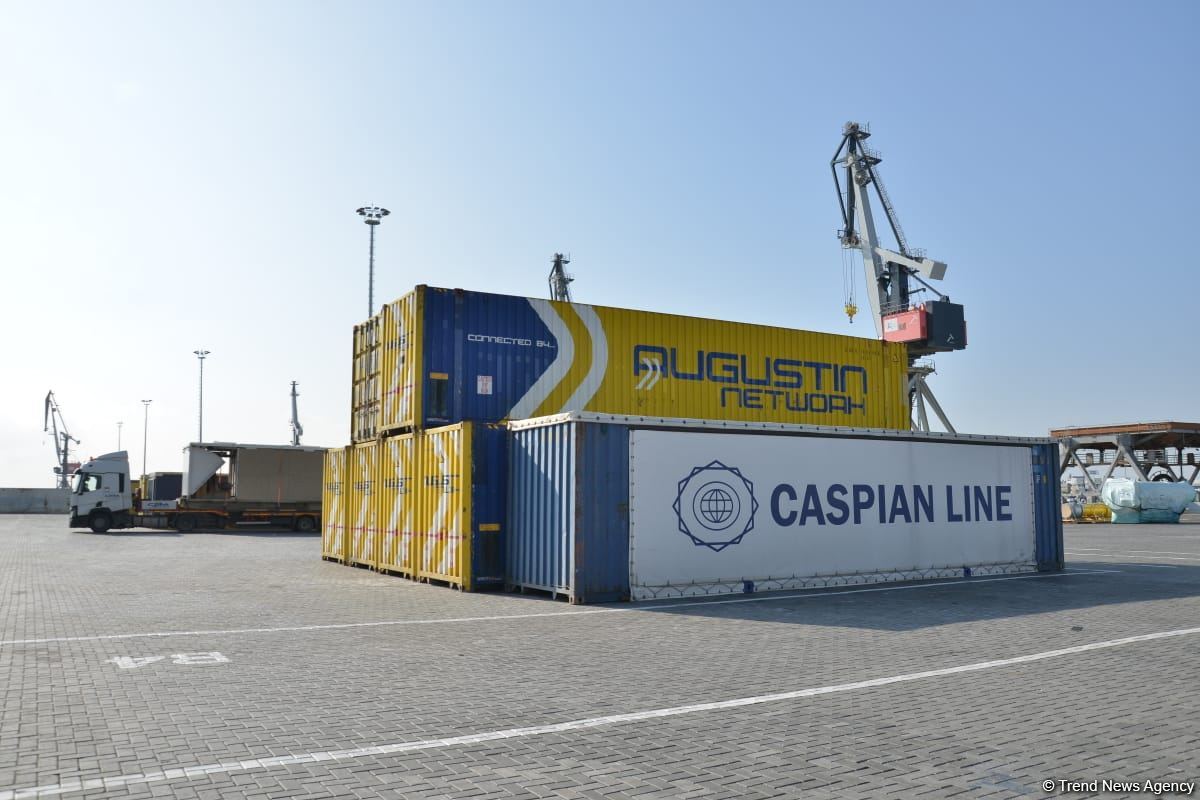
Azerbaijan's non-oil sector exports saw a 6.6 percent increase from January to October this year, reaching $2.99 billion. Food product exports rose by 19.8 percent, totaling $962.1 million. Additionally, agricultural and agro-industrial exports grew by 19.1 percent, reaching $1.03 billion in the same period.

Uzbekistan’s electric vehicle market continues its rapid expansion, with the number of registered EVs surpassing 86,000 as of October 2025.
In Q3 2025, Uzbekistan’s interbank money market saw overnight transactions dominate even more, while liquidity activity increased and market competition improved, signaling a more dynamic banking environment
Consumer prices rose across most categories in November, with food, drinks and tobacco showing the strongest increases according to fresh data from the State Statistical Committee.
The ongoing reconstruction in Karabakh, driven by Azerbaijan's "Great Return" program, is focused on infrastructure development, smart city construction, and job creation, fostering economic growth through national and international investments.
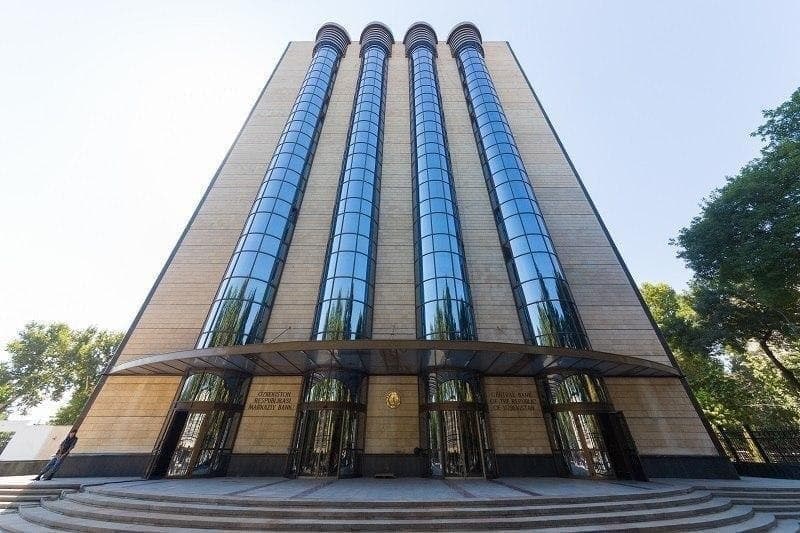
Uzbekistan’s interbank money market continued to gain momentum in the third quarter of 2025, with new data from the Central Bank revealing a sharp rise in transaction volumes and higher activity across key liquidity instruments.

Iran plans to launch the development of its Yadavaran oil field in mid-January. The project will involve drilling and upgrading 24 new wells, with a goal to boost production by 42,000 barrels per day.

During the mentioned period, on average, more than 521 million cubic meters of gas were consumed daily in residential, commercial, and small industrial enterprises in Iran.

The latest data also highlight an overall acceleration in investment activity throughout 2025.

Investments in Uzbekistan’s transportation and storage sector reached 25.8 trillion soums ($2.15 billion) in January–September 2025, continuing a multi-year growth trend, according to the National Statistics Committee.
Baku Metro CJSC generated 91.7 million manat ($54 million) in revenue from passenger transport during the first 10 months of 2025. The revenue for the first nine months stood at 78.8 million manat ($46.5 million).
Total deposits in Uzbekistan’s banks reach $31.5 billion, driven by corporate savings concentrated in Tashkent.

President Serdar Berdymukhamedov chaired a Cabinet meeting, reviewing the government’s work in the trade, textile, and entrepreneurial sectors over the first eleven months of the year. President Berdymukhamedov emphasized the importance of further developing the trade, textile, and entrepreneurial sectors, ensuring regular supply of essential goods to markets, and maintaining affordable prices, particularly during the holiday season.

The output of construction glass in Azerbaijan experienced a small uptick, hitting around 8.44 million square meters in the first half of the year.

Massive infrastructure development is the emphasis of Turkmenistan's state-driven construction and industrial complex, which uses the country's enormous mineral resources and natural gas to construct modern cities and import-substituting/export-oriented industries like textiles and chemicals.

President Serdar Berdimuhamedov reviewed a report on Turkmenistan’s agricultural sector indicators, emphasized the importance of its continued development, and instructed the deputy prime minister to closely monitor land preparation for next year’s crops and ensure timely, technically sound execution of seasonal work.

Tourism between Uzbekistan and Pakistan increased significantly in 2025, with growing numbers of travelers visiting for leisure, official purposes, studies, and family visits, reflecting strengthening people-to-people ties between the two countries.
The State Tax Service of Azerbaijan is continuing efforts to modernize cash transaction systems nationwide. These measures are aimed at improving transparency and strengthening oversight of commercial activity.

Turkmenistan hit the bullseye with its state budget targets in January while also seeing a boost in capital investment and retail trade turnover, as revealed in the data shared at a Cabinet of Ministers meeting.
Consumer refunds under the VAT refund program continued to expand, covering a wide range of goods and services across the country.
Uzbekistan’s retail lending saw strong growth in 2025, with loans to individuals jumping 24% year on year to 220.3 trillion soums.

The price adjustment reflects normal market dynamics and underscores the National Bank’s role in ensuring transparency and stability in the domestic gold market.
The volume of business lending to Azerbaijan’s agricultural sector has continued to expand, reflecting increased financial support from the banking system.
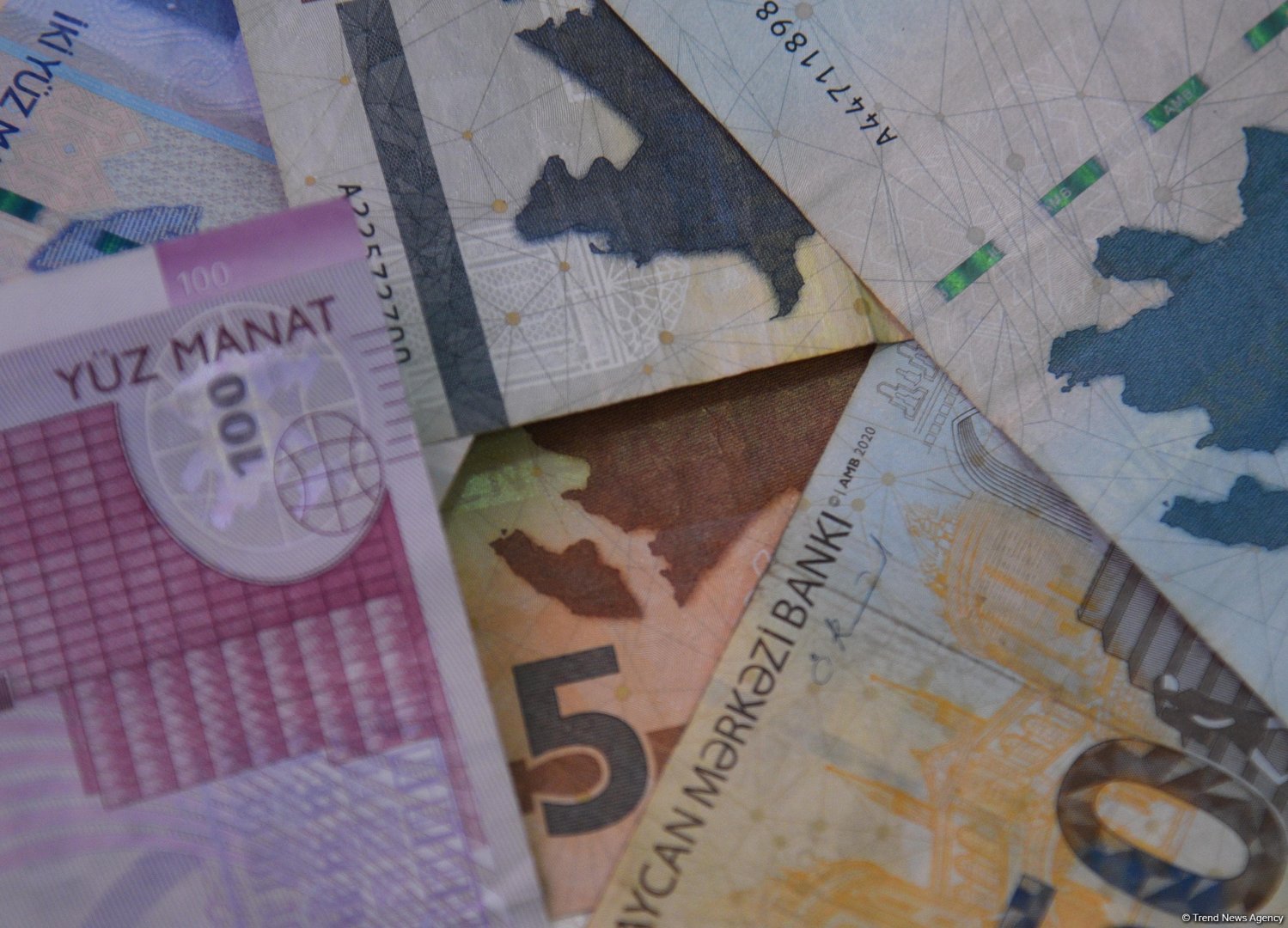
Deposits by individuals in Azerbaijan have grown significantly, with holdings in the national currency far surpassing those in foreign currencies.
The EBRD is set to back Uzbekistan’s only producer of internationally branded beer with a new financing package aimed at boosting production capacity and supporting long-term expansion.
The currency reserves of the Central Bank of Azerbaijan (CBA) have shown growth as of February 1 this year. Data from the CBA indicates a slight increase compared to the previous month. Year-on-year, the reserves have experienced a notable rise.