00:18
Iran records growth in bitumen exports in 7M2025
Iran exported nearly 3.8 million tons of bitumen worth around $1.4 billion during the first seven months of the Iranian year, marking a rise in value despite a slight drop in volume.

Iran exported nearly 3.8 million tons of bitumen worth around $1.4 billion during the first seven months of the Iranian year, marking a rise in value despite a slight drop in volume.
Isfahan Province customs in central Iran handled exports worth around $630 million and imports of about $390 million during the first seven months of the Iranian year, with trade totaling roughly $1 billion.
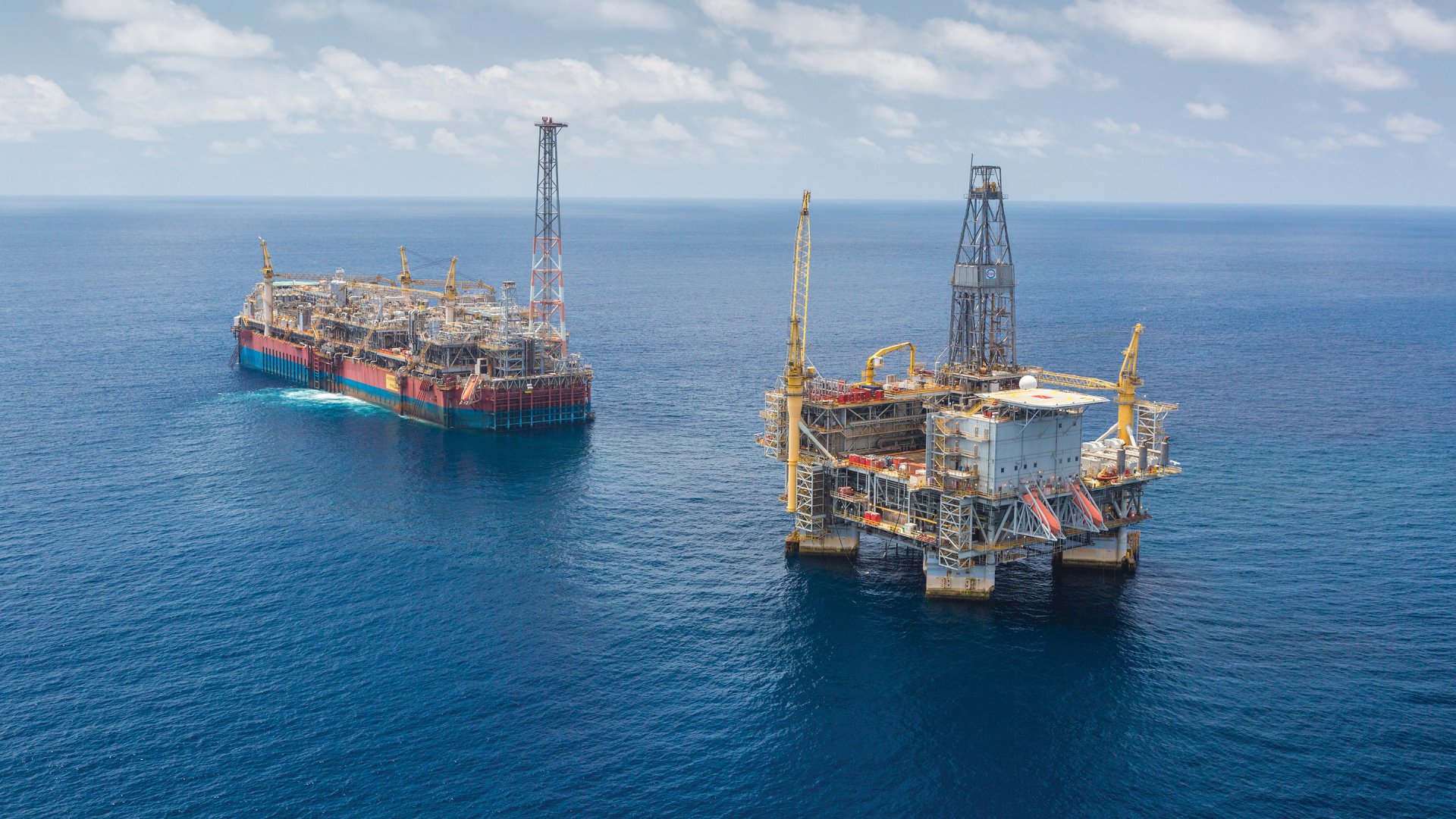
Exxon Mobil Corporation reported strong upstream performance in the third quarter of 2025, supported by record production levels and continued project execution in key growth regions.
The aggregate quantum of credit facilities extended to micro and small enterprises in Azerbaijan escalated to approximately 1.6 billion manat as of the commencement of October, reflecting a three percent uptick relative to the preceding month.
ExxonMobil’s chemical products segment posted a quarterly earnings rebound in the third quarter of 2025, supported by higher margins and record high-value product sales, even as year-to-date results remained below last year’s levels due to margin pressure and higher costs.
The aggregate value of Iran's non-oil imports originating from T
Azerbaijan exported non-oil products worth $147. 3 million to Ukraine from January through September 2025. This marks an increase of $67 million, or 83. 4 percent, compared to the same period in 2024.
Iran’s Bahar Azadi gold coin traded at 1.12 billion rials ($1,956) on November 1, up from 1.1 billion rials ($1,930) on October 30.
Azerbaijan’s broad money supply rose to nearly 48 billion manat in early October, showing steady monthly and annual growth.
The Marketing and Economic Operations Department of the State Oil Company of Azerbaijan (SOCAR) earned $47.1 million in export revenues from January through September 2025.
Iran’s National Oil Company has outlined plans to boost crude oil production to about 4.5 million barrels and gas output to roughly 1.3 billion cubic meters per day by 2029, while eliminating flare gas.
The Iran Energy Exchange (IRENEX) experienced a significant uptick in weekly activity, with aggregate transactions approximating $205 billion, propelled by a pronounced escalation in hydrocarbon product sales.
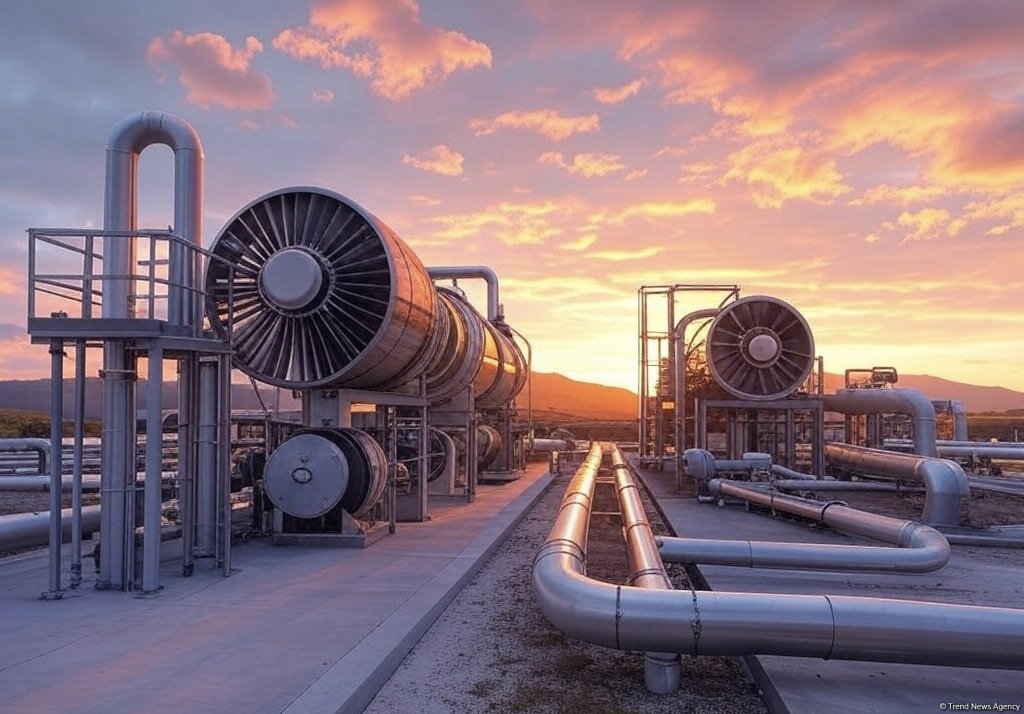
Iran has executed agreements totaling approximately $800 million to capture flare gas, with the objective of ceasing combustion at critical petroleum locations and facilitating the commercialization of nearly 300 million cubic feet.
Iran’s Saderat Bank saw a sharp rise in net income over the first seven months of the Iranian year, reaching roughly $350 million, up more than 80% from the same period last year.

Trade between Uzbekistan and Finland has surged more than fivefold over the past seven years, underscoring the rapid growth of bilateral economic ties.
All lots were listed under prepayment terms with FCA or EXW delivery conditions from Ashgabat and Anew cities, confirming the active participation of both state institutions and private enterprises in SCRMET’s engineering sector trades.

All lots were offered under prepayment terms with EXW delivery from the factory in Turkmenistan.

Azerbaijan exported around $240 million worth of gold in the first nine months of the year, more than doubling last year’s figure.
TotalEnergies reported solid third-quarter 2025 results from its refining and chemicals segment, driven by improved refining margins and stronger operational performance across its European assets.
The bank’s growing interest in the region is due to the strengthening economic, trade, and investment ties between the Gulf and Eurasian countries.
Uzbekistan reports continued expansion of its power generation capacity, driven by rapid growth in renewable energy projects and ongoing modernization of the national energy system aimed at meeting rising domestic demand and ensuring long-term energy security.
Chevron Corporation reported lower U.S. upstream earnings for the third quarter of 2025 compared to the same period last year, as weaker liquids realizations and transaction costs linked to the Hess acquisition weighed on results.

Chevron reported earnings of $3.5 billion ($1.82 per diluted share) for the third quarter of 2025.

TotalEnergies forecasts hydrocarbon production in the fourth quarter of 2025 to reach between 2.525 and 2.575 million barrels of oil equivalent per day (Mboe/d).
Albania’s railways are seeing stronger freight traffic but sharply declining passenger use in the third quarter of 2025. Key commodities, network coverage, and trends in cargo and passenger movement reveal a continued focus on goods transport despite a slump in travelers.
Tender proposals will be accepted until 15:00 local time on December 10, 2025. Each bidder must submit one sealed envelope containing the full tender offer, certified with a mastic seal.
Iran’s non-oil trade with China reached $17. 5 billion and 34. 3 million tons in the first seven months of 2025. The figures show a 9. 35 percent drop in value and a 10. 5 percent decline in volume year-on-year.
For companies registered in Turkmenistan, copies of registration documents are also required. Applications will be accepted during office hours till November 11, 2025.
Iran’s liquid propane exports rose by seven percent in value and 0. 09 percent in volume in the first seven months of 2025. Exports totaled 3. 74 million tons worth about $2. 1 billion, up from $1. 96 billion a year earlier.
As of October 1, 2025, total loan investments in Azerbaijan’s economy reached 31. 04 billion manat ($17. 8 billion). Credit allocations rose 1. 9 percent month-on-month and 9. 3 percent year-on-year.
Iran has identified $100 billion in investment projects, Minister Ali Madanizadeh said on Kish Island.
Shell posted an adjusted EBITDA of $14.8 billion in Q3 2025, up from $13.3 billion in Q2 2025.
Shell’s cash flow from operations excluding working capital (CFFO) surged to $12.2 billion in Q3 2025.

Uzbekistan and China have strengthened their long-term financial partnership as the National Bank for Foreign Economic Activity of Uzbekistan and China Eximbank signed a new Strategic Partnership Agreement in Beijing, aiming to expand mutual settlements in national currencies and support major investment projects.
The IMF official also underscored the need to fast-track infrastructure development, get the digital ball rolling, streamline logistics, and smooth the path for trade facilitation.
The latest Bahar Azadi gold coin in Iran was traded at 1. 10 billion rials (about $1,945) on October 30, down from 1. 11 billion rials ($1,947) the day before. The older coin (1979–1991) sold for 1.
Croatia’s latest fiscal data reveal a significant improvement in government finances, with the 2024 deficit shrinking and public debt falling below the Maastricht threshold.
Iran’s daily gas supply to the national network has increased by roughly 7 million cubic meters, supporting industrial plants and Thermal Power Stations while winter consumption rises.
Sealed offers certified with a mastic seal must be submitted to the Turkmennebit headquarters in Ashgabat and will be considered once payment confirmation is received.
Transit cargo through Iran fell by around six percent in the first seven months of the current Iranian year compared to the same period last year.
Azerbaijan’s banking sector saw its credit portfolio grow by around 600 million manat, reaching approximately 29.3 billion manat, with business loans making up more than half of the total.
The circulation velocity of Azerbaijan’s manat amounted to 3. 41 points as of October 1, 2025. This figure rose 0. 03 points, or 0. 9 percent, compared to September 1, but decreased by 0. 05 points, or 1.
Apples from Iran’s East Azerbaijan Province are mainly exported to Russia, India, Pakistan, Afghanistan, and neighboring Gulf countries. The province exported 250,000 tons of apples in the last Iranian year.
Over one million tons of goods worth $783 million were exported through Iran’s Markazi Province customs in the first seven months of 2025. During this period, 176,000 tons of imports valued at $487 million arrived from 43 countries.
Exports from Iran’s Qom Province totaled $115 million and 100,000 tons during the first seven months of 2025. In the seventh month alone, 16,700 tons worth $17.6 million were exported.

Uzbekistan produced 490,100 tons of oil in the first nine months of 2025, marking a notable decline compared to previous years.
Iran’s Offshore Oil Company Hengam has saved around 1.5 million euros by designing and installing new Mooring Buoy equipment internally, avoiding high supplier costs.
In the first seven months of the current Iranian year, Iran’s trade totaled $66. 3 billion with 114 million tons of goods. The country imported 20 tons of gold worth $2. 13 billion, 6. 08 million tons of corn feed worth $1.
Iran exported around 92 million tons of non-oil goods worth $32 billion in the first seven months of the current Iranian year. Compared to last year, exports decreased by 1. 88 percent in value but rose by 3.
U.S. dry natural gas production rose by an estimated 3.3% year-on-year in the first nine months of 2025, according to the International Energy Agency (IEA).

KazMunayGas CEO Askhat Khassenov held a meeting to review Karazhanbasmunay's (KBM) results for the first 10 months of 2025.
Azerbaijan’s 16 insurance companies collected 1. 25 billion manat ($738. 8 million) in premiums during the first ten months of 2025, up 12. 9% from the same period last year. Payments by these companies reached 772.

The company is a global leader in the supply of polyacrylamide, which is used both for water purification and to improve oil production efficiency.

Uzbekistan’s FERRE GROUP in Urgut has ramped up its household appliance production to 250,000 units annually, worth $36.9 million.
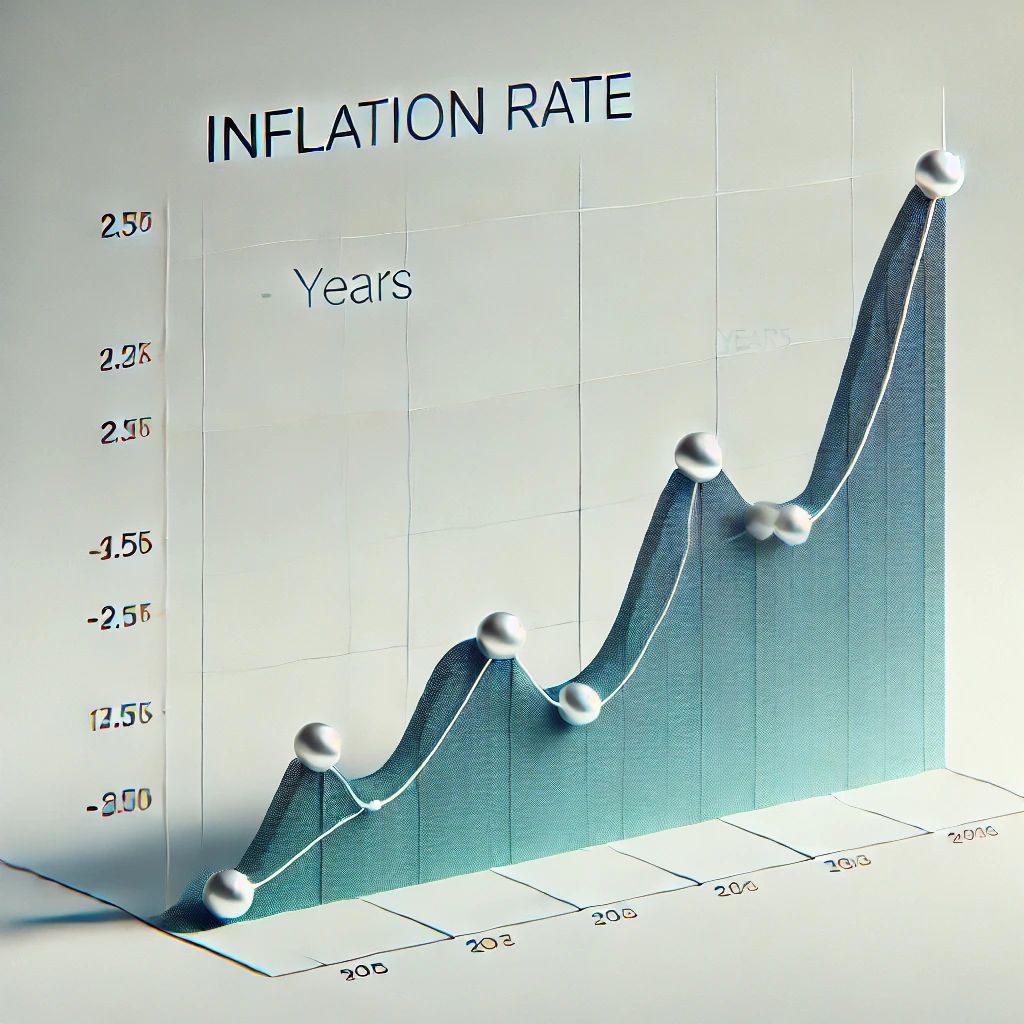
Kyrgyzstan’s inflation reached 8.9% on an annual basis in 2025, driven primarily by rising prices for imported goods, the National Bank of Kyrgyzstan said.
In January–September of this year, investments totaling 3.24 billion manat were directed to fixed capital in the Karabakh and Eastern Zangezur economic regions of Azerbaijan.
Uzbekistan’s oil and petroleum exports grew nearly 8 percent in January–October 2025, while imports of oil products showed a mixed trend, highlighting shifts in the country’s energy trade.
According to S&P Global Ratings, Uzbekistan’s gradual but ongoing structural reforms, particularly in privatization and state-sector transformation, are drawing increased attention from international rating agencies.

Housing prices in Azerbaijan continued to rise, with the residential building price index reaching around 100 percent compared to the previous quarter and about 101 percent year-on-year.

Azerbaijan produced metal ores worth 556. 9 million manat ($327. 6 million) from January to October 2025, up 38. 7% year-on-year. Oil output fell 4. 6% to 23 million tons, while gas production rose 1.
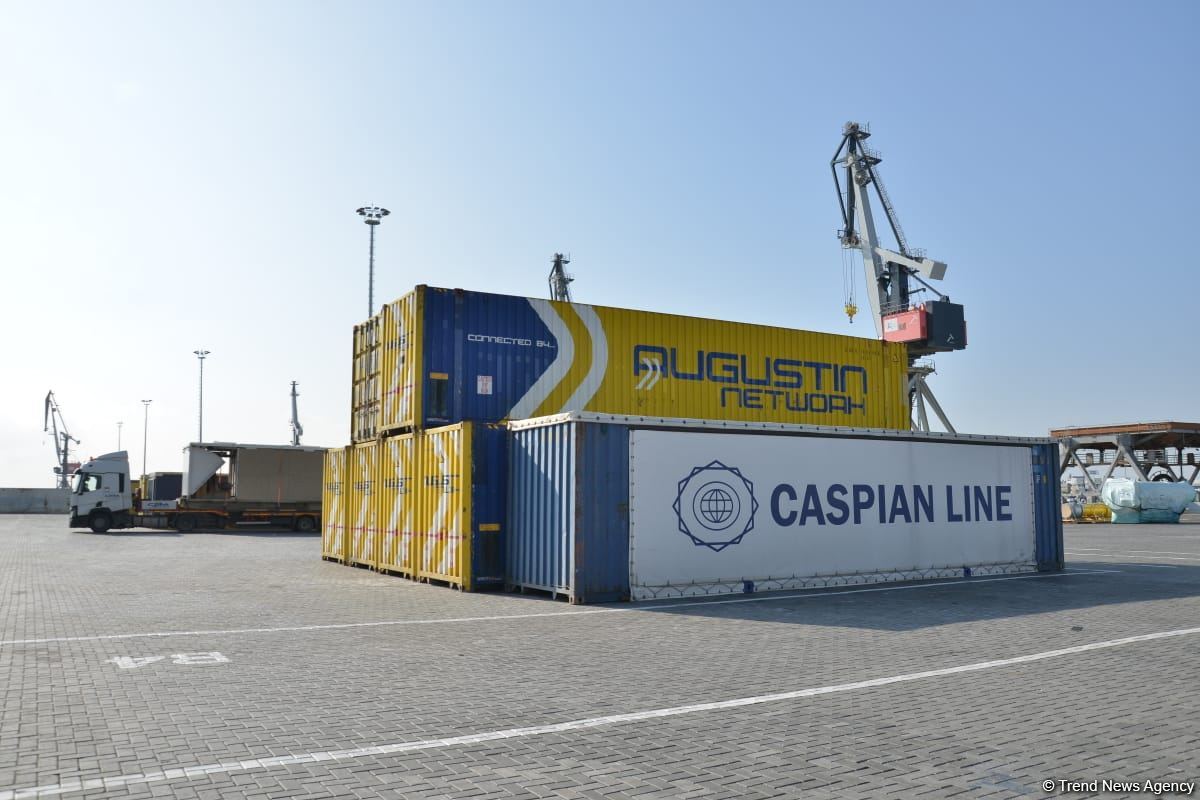
Trade between Azerbaijan and Iran totaled $518.2 million from January to October 2025, down 1.1% year-on-year.

Uzbekistan’s airports saw a surge in activity in the first ten months of 2025, handling over 12 million passengers.
In the first ten months of 2025, Azerbaijan saw a significant rise in fixed capital investments, particularly in the energy sector, with a notable shift toward non-oil and gas industries, reflecting continued economic growth and diversification.
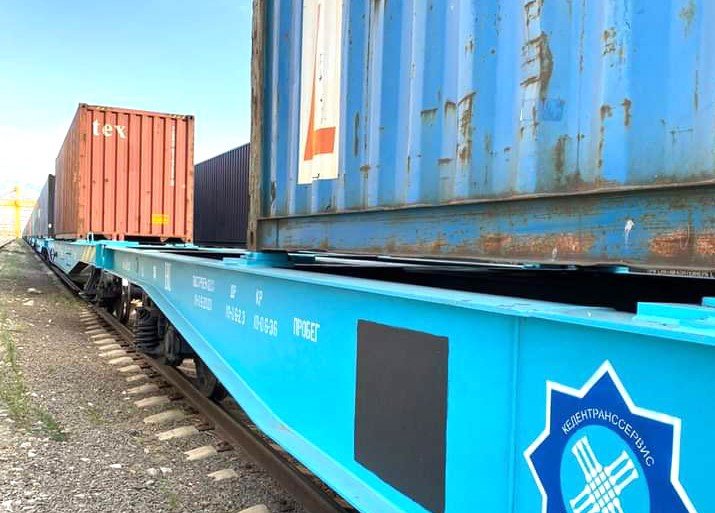
Kazakhstan Railways said that its freight traffic increased 4% in the first ten months of 2025 compared with the same period last year, reaching 221.4 million tons.
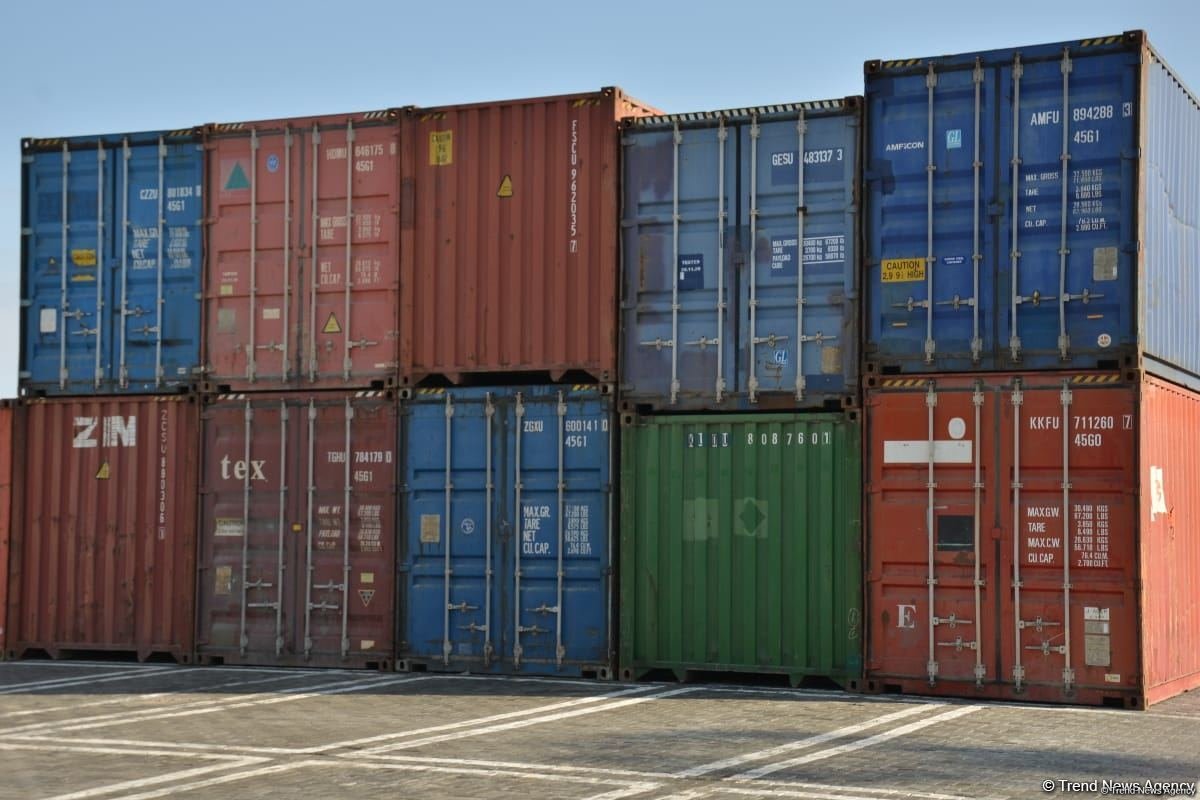
Trade between Azerbaijan and the United States reached over $1 billion in January–October, driven primarily by rising imports from the U.S., while exports from Azerbaijan to the U.S. declined sharply.
In 2025, Uzbekistan's economy picked up speed, surpassing many global predictions with a GDP growth of 7.7%. Inflation took a backseat, and foreign trade surged, indicating a robust push both at home and abroad.
Uzbekistan’s oil production fell again in 2025, continuing a multi-year decline, while manufacturing remained the dominant driver of industrial output.

Uzbekistan has advanced its mining sector with the launch of a major foreign-backed project in the Navoi region, aimed at expanding ore production capacity and strengthening the country’s industrial and resource base.
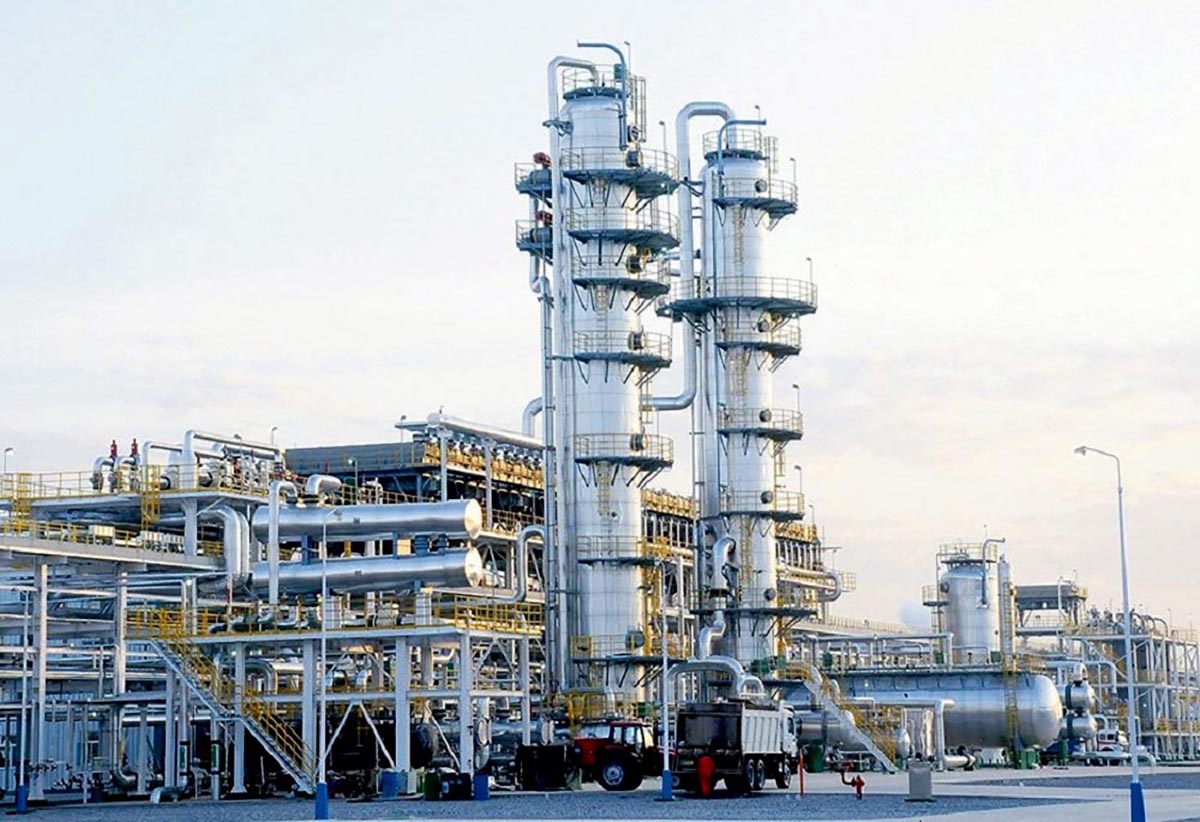
The Turkmenbashi oil refinery complex exceeded its annual production targets, processing oil and producing a wide range of petroleum products.
Kyrgyzstan’s trade and services sectors demonstrated strong expansion in 2025, driven by robust growth in retail activity and hospitality services.
UZCARD data indicate that cash withdrawals remain the main ATM operation in Uzbekistan, while ATMs are increasingly used for a wider range of digital and self-service transactions.
Uzbekistan’s banking sector posted a strong recovery in 2025, with net profit rising to 15.5 trillion soums ($1.29 billion), up 136% from the previous year.
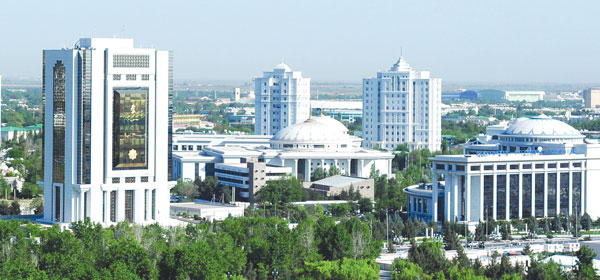
Outstanding loans to individuals and entrepreneurs operating without forming a legal entity increased in Turkmenistan in December 2025, according to the country’s Central Bank.
Azerbaijan has seen a remarkable increase in its natural gas exports to Serbia in 2025. From January through November, the volume and value of gas exports surged significantly compared to the previous year.
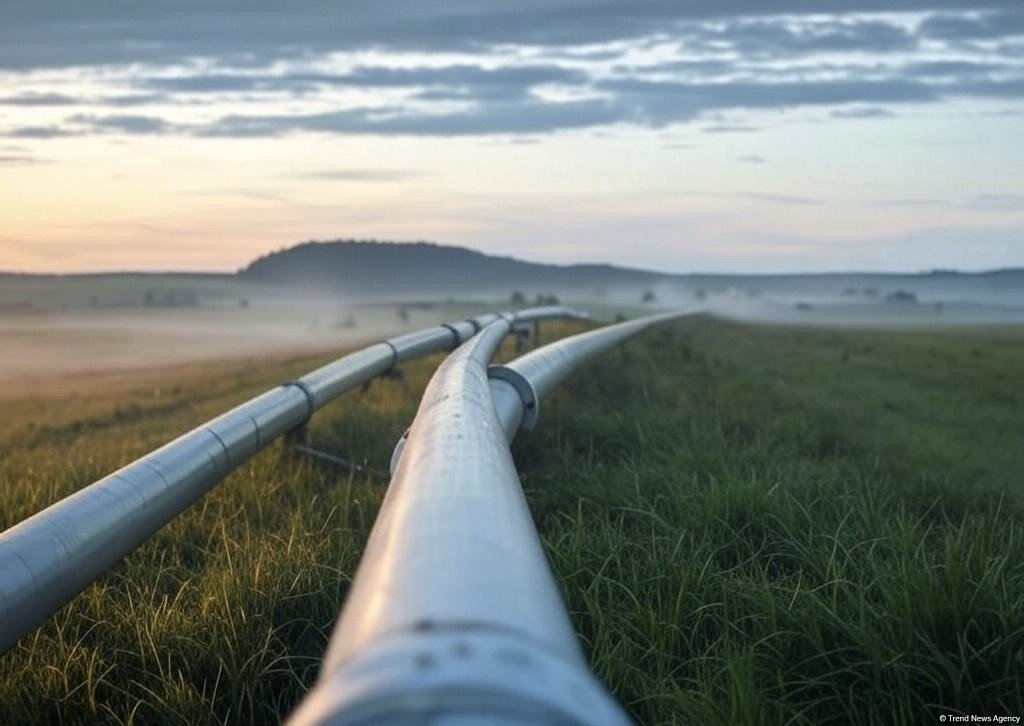
Azerbaijan has generated significant revenue from its natural gas exports to the Syrian Arab Republic, highlighting the country’s growing role in regional energy markets.