22:58
Azerbaijan publishes sugar export revenue data for 1Q2026
Azerbaijan’s sugar exports surged more than fourfold in early 2026, driven by rising production and expanding non-oil trade contributions.


Azerbaijan’s sugar exports surged more than fourfold in early 2026, driven by rising production and expanding non-oil trade contributions.

Uzbek citizens’ travel to Saudi Arabia continued to grow in early 2026, with tourism remaining the main driver behind the rising outbound flow alongside family visits and other purposes.
Reconstruction of the B1 bridge, damaged by military airstrikes, will cost around 150 trillion rials ($113 million). Initial damage is estimated at 30 trillion rials ($22.7 million). Clearing operations are expected to start next month, with full restoration taking about three years.
Uzbekistan is rapidly expanding its self-service banking infrastructure, with the number of ATMs and kiosks growing by a third over the past year, reflecting rising demand for digital financial services and improved nationwide access to banking.

Kyrgyzstan’s sectoral data for the first quarter reflects growth across all major industries, led by construction and industry, with more moderate expansion in services and agriculture.
In the last Iranian year, a significant portion of funds from the value-added tax was allocated to the country’s development. A large share of these funds went to executive authorities and various sectors, including health, education, and sports.
The volume of freight transported by trucks from Iran’s Alborz province to other provinces has increased over the past Iranian year.
The Regional Water Management Service of Azerbaijan has announced a tender for the design of new water supply networks across several districts. Interested parties must submit their proposals by a specified deadline.
Uzbekistan’s trade with South Korea showed solid year-on-year growth in early 2026, driven largely by imports, while broader two-year comparisons indicate some contraction in bilateral turnover.
Azerbaijan’s Agrarian Services Agency is seeking suppliers of laboratory reagents, with bids due by May 12.
The expansion of cotton sowing alongside broader crop planting underscores agriculture’s role as a key driver of seasonal growth and rural income in Tajikistan.
Azerbaijan has launched a tender to install automated air pollution monitoring stations in major industrial cities, with bids due by May 13, 2026.
Azerbaijan’s Agriculture Ministry is seeking bidders to prepare design plans for the reconstruction of the Chaykend Fish Farm, with submissions due May 7.
The Khorasan Petrochemical Company experienced significant growth in its product exports last year. CEO Eisa Norouzipour emphasized the company set a new export record. Future plans focus on improving production, expanding markets, and enhancing competitiveness.
Azerbaijan’s antimonopoly agency has opened a tender to organize a major regional competition forum in Shusha, with proposals due in early May.
Iran's crude steel output grew significantly during the last Iranian year. Steel derivatives production saw a slight decline, while sponge iron production experienced strong growth. Iron ore pellet and concentrate production also showed modest improvements.
Isfahan province recordes notable trade activity, with exports outpacing imports and contributing significantly to overall turnover.
Mobile phone imports to Iran declined significantly over the past Iranian year, both in value and volume.
Alokabank began 2026 with strong profit growth driven by higher interest income and expanding lending, though asset quality showed slight pressure.

From January through March 2026, road cargo transit through Azerbaijan saw an increase in value. The volume of cargo transited, however, experienced a slight decrease. Both exports and imports showed mixed trends in value and volume.
The application must include the participant’s full legal name, legal status, country of registration, and banking details.
Local enterprises and organizations, regardless of ownership, registered in accordance with the established procedure in Turkmenistan, are invited to participate in the tender.

Azerbaijan's Central Bank reveals the latest ranking of banks operating in the country based on the volume of interest revenues.
Technical specifications will be provided to applicants after submission of the initial request.

Georgia's 2025 fruit production saw mixed results, with declines in certain categories offset by growth in nuts, subtropical fruits, and berries, alongside a strong performance in grape production.
The Central Bank of Azerbaijan has disclosed the ranking of banks by liabilities for Q1 2026. The International Bank of Azerbaijan holds the largest liabilities, followed by Kapital Bank and PASHA Bank.

Azerbaijan's sea cargo exports saw growth in the first quarter of 2026. The total export volume and value both increased compared to the same period last year. However, overall sea cargo transport, including imports, experienced significant declines.

The statistics indicate a stable inflationary environment in the Chinese economy, with moderate year-on-year growth balanced by a seasonal month-on-month retraction following the high-activity period at the start of the year.
The project involves renovating the 500-student educational institution to improve infrastructure and learning conditions.
Azerbaijan’s foreign trade turnover declined year-on-year, driven by a notable drop in both exports and imports.
Azerbaijan’s trade with China shows positive growth in both exports and imports, contributing significantly to the country’s overall trade balance surplus in early 2026.
Azerbaijan's transportation and ICT sectors have demonstrated growth in revenue, reflecting ongoing improvements in infrastructure and increased demand for services.

Azerbaijan saw a significant increase in truck production in the first quarter of 2026. The number of trucks produced grew substantially compared to the same period in 2025, while passenger car production experienced a decrease.
Mining activity in Iran’s Mahabad district remained significant, with a diverse range of mineral resources extracted over the reporting period.
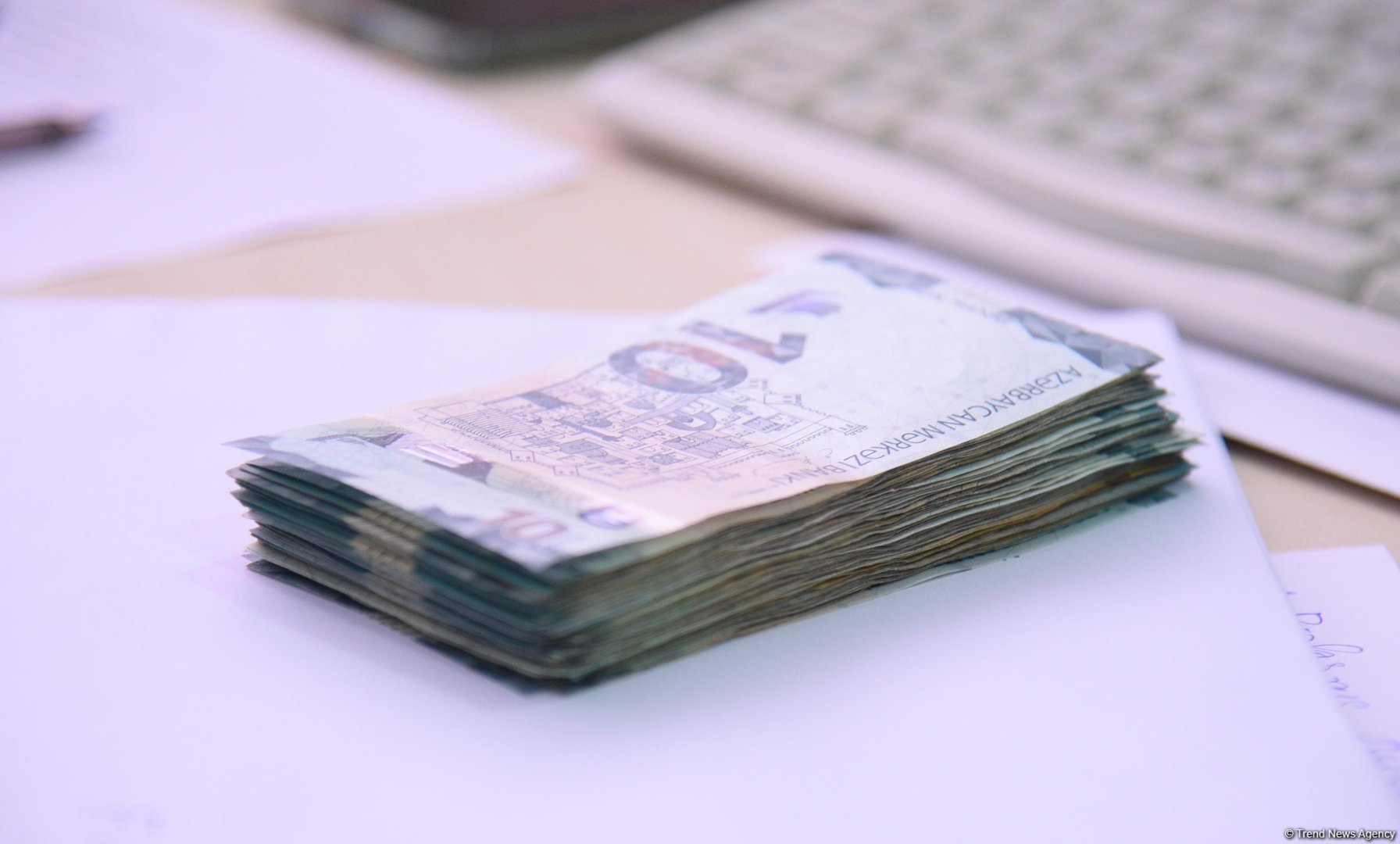
Azerbaijan's construction sector saw a decline in fixed capital investments in Q1 2026. The majority of these investments were allocated to housing construction, which also experienced a decrease. Overall, the sector's investments dropped compared to the same period last year.
Iran’s Energy Exchange recorded significant trading activity across hydrocarbon and electricity markets, reflecting its continued role in domestic supply and energy exports.
All applications must be registered with the Marketing and Foreign Economic Relations Department of the Ministry of Construction and Architecture of Turkmenistan.
Interested companies are invited to submit applications and proposals in accordance with the established procedure.
Iran's trade with OIC member states saw a significant decline in the last year, with exports decreasing while imports were substantially reduced, resulting in a trade surplus in goods exports.
The airstrikes refer to recent U.S. and Israeli attacks on Iran. These have disrupted businesses, leading to economic challenges. In response, Iran is providing loans to affected businesses to support recovery.

The sustained demand for petrochemical feedstocks, combined with stable industrial output, is expected to offset broader structural shifts in the energy landscape.

Freight shipments by road in Azerbaijan increased in early 2026 compared to last year. This growth highlights a positive trend in road transport within the country's transport corridors. Road transportation made up a notable share of the overall transport activity.

The report also highlights that continued recovery in road mobility and air travel will bolster demand for gasoline and jet/kerosene.
On April 13, fund transactions in the Iranian capital market saw significant activity. The majority of trades involved fixed-income and product funds. A positive real money flow was recorded, marking the highest since the war began.
The report outlines expectations for a stable national currency exchange rate over the medium term, based on official macroeconomic forecasts.
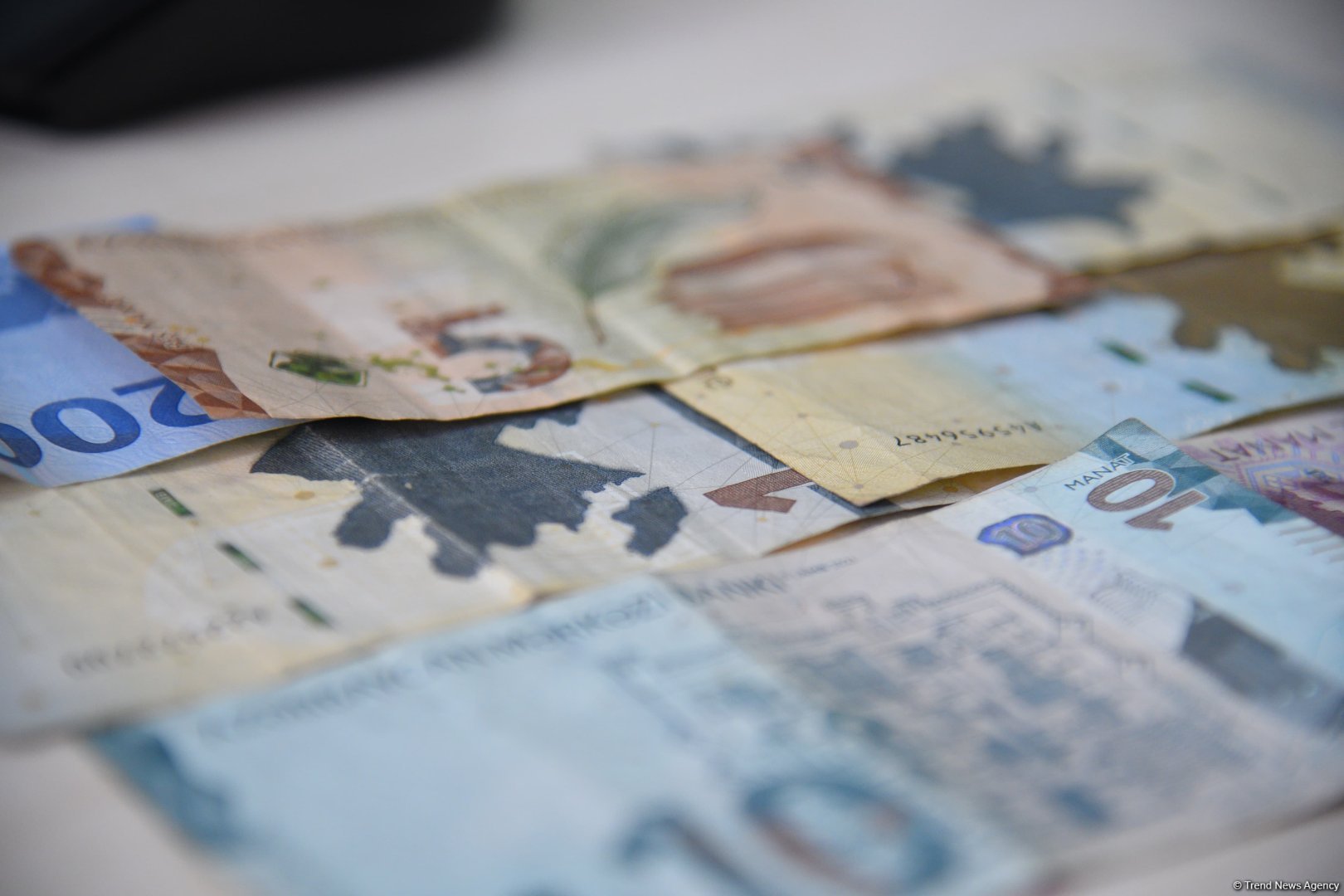
Azerbaijan plans to finance the majority of its current expenditures through non-oil revenues by 2026, aiming for long-term fiscal sustainability.
Azerbaijan expects its state debt to reach 27.6 billion manats in 2026, or 21.1% of GDP, as the government shifts toward greater reliance on domestic borrowing while continuing to fund major infrastructure projects with international support.
Tenge Bank’s early 2026 results highlight a shift toward fee-based income, reflecting changing dynamics in Uzbekistan’s banking sector as transactional services gain importance.
Rising investment and job creation, alongside an improved credit rating, point to strengthening macroeconomic stability and growing investor confidence in Kyrgyzstan’s economic trajectory.
Azerbaijan expects steady economic growth through 2030, with rising GDP and an expanding non-oil sector playing a central role.
Azerbaijan reports increased budget savings through e-procurement, reflecting improved efficiency in public spending and financial management.
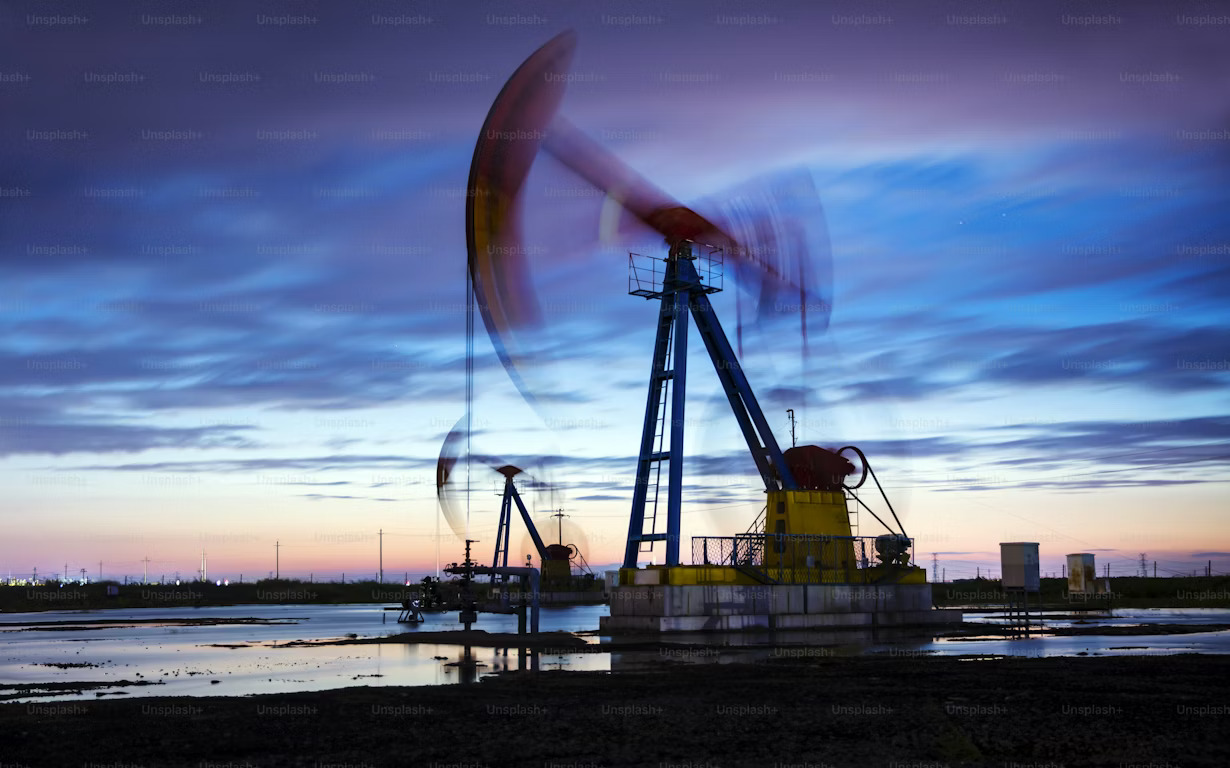
Turkmennebit State Concern fulfilled its oil production plan in the first quarter of 2026, driven by large-scale well restoration works in the Balkan Region.

Outbound tourism from Uzbekistan grew in early 2026, with most travel concentrated on neighboring countries, while Middle Eastern and Asian destinations maintained steady but smaller shares.

Azerbaijan's banking sector saw notable profit growth in Q1 2026, with leading banks showing strong performance, while one institution reported a loss.
Azerbaijan's Central Bank ranked first in terms of loan portfolio among Azerbaijani banks in the first quarter of 2026.
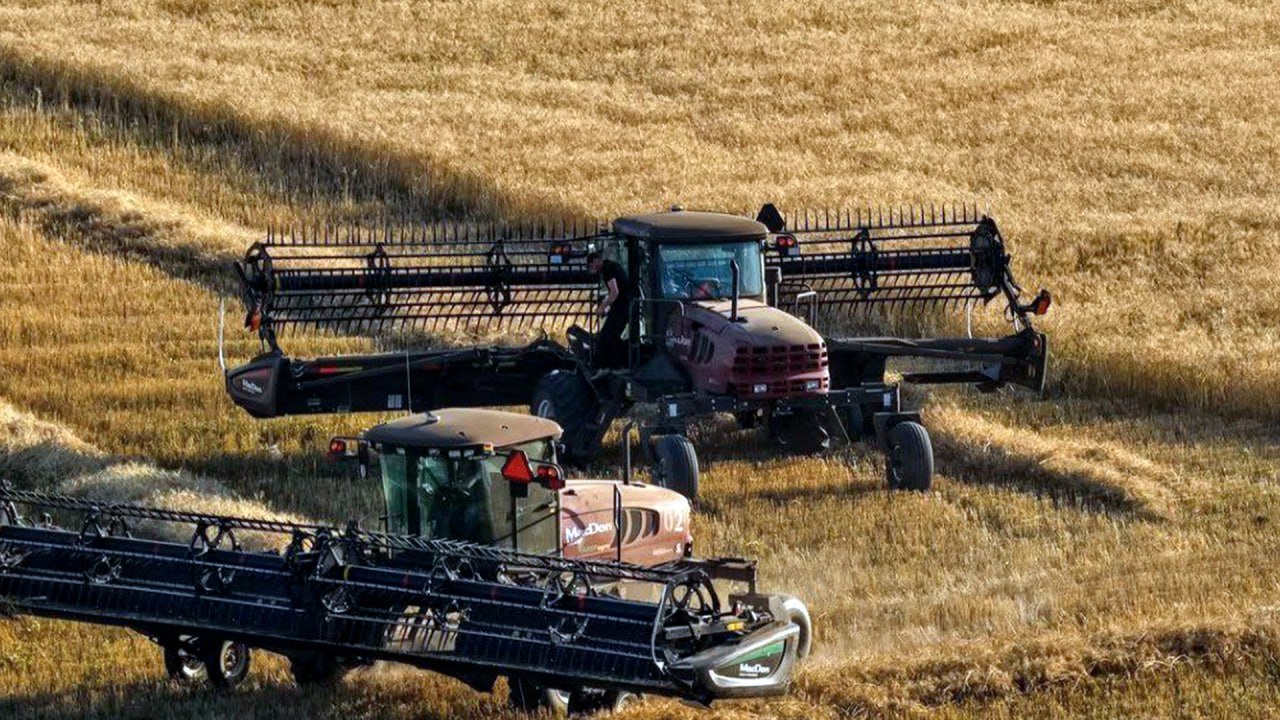
Expanded access to concessional financing and improved water infrastructure is expected to strengthen agricultural productivity and support rural economic development in Kyrgyzstan.

Uzbekistan and China are deepening economic cooperation, focusing on investment, trade growth, and upcoming joint business initiatives.
The data highlights that despite the decrease in import volumes, the substantial rise in export activity has provided a robust start to the year for Georgia’s external trade sector.

Azerbaijan saw a decrease in gold and silver production during the first quarter of 2026. Gold production dropped significantly compared to 2024, while silver output also declined year-on-year. The total value of mining industry production showed a slight decrease over the reporting period.
Azerbaijan's consolidated budget revenues are projected to grow in 2027 compared to 2026. The Ministry of Finance expects a significant increase in non-oil and gas revenues by 2030. This growth is supported by macroeconomic forecasts and efforts to enhance the business environment and transparency.

Outbound travel from Uzbekistan to Malaysia increased in early 2026, with tourism remaining the main purpose of visits.

To support liquidity and facilitate fiscal policy, Chinese authorities are expected to utilize reserve requirement ratio (RRR) cuts as a preferred instrument rather than direct policy rate reductions.
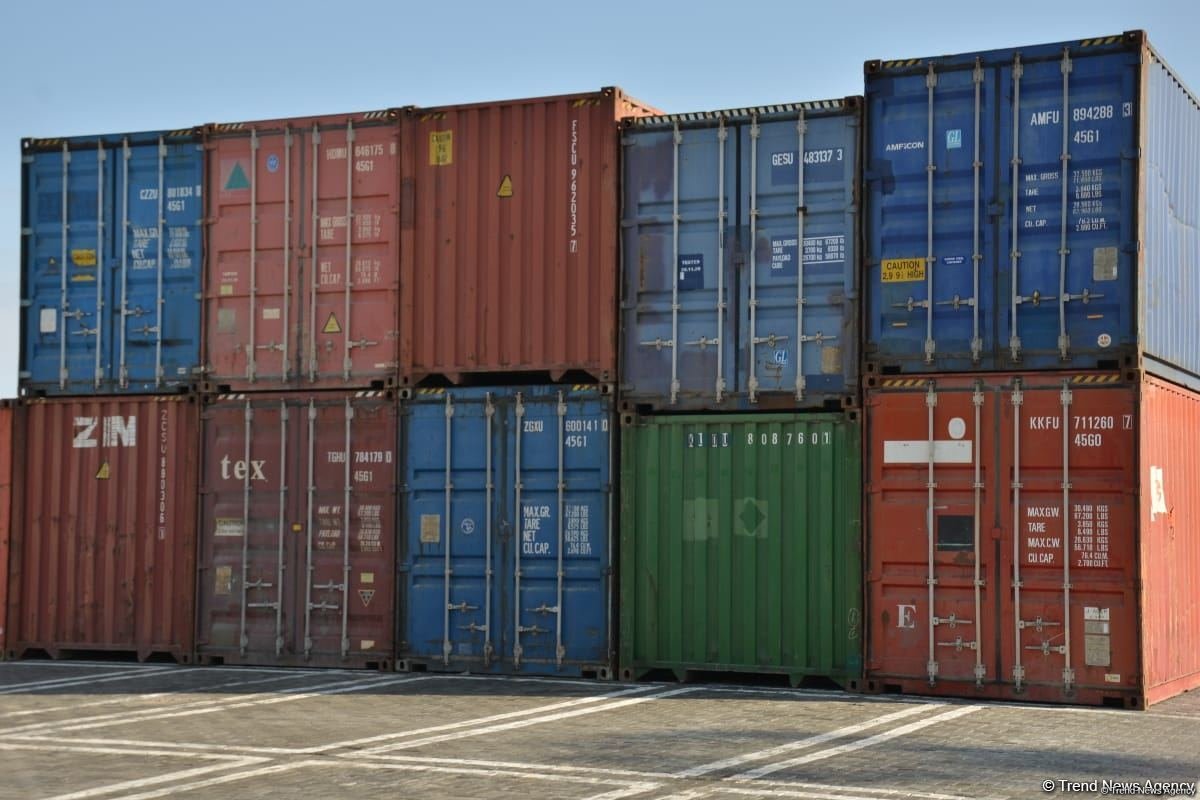
Georgia's foreign trade indicators showed improvement in February 2026, according to the World Bank. Exports grew significantly, driven by strong performance in mineral raw materials and re-exports, while imports saw a more modest increase.

Uzbekistan’s business activity rebounded in early 2026 as the number of operating enterprises rose after several years of decline.
Azerbaijan’s agricultural sector saw growth in the first quarter of 2026, reflecting positive trends in production. The overall economic output, however, experienced a slight decline in GDP. While the oil and gas sector faced a decrease, the non-oil and gas industries showed modest growth.

The Business Development Bank of Uzbekistan reported a decline in net profit in the first quarter of 2026, while continuing to show improvement in key financial indicators.

As of April 1, 2026, Azerbaijan's Karabakh and East Zangezur regions have experienced growth in business activity. The number of business entities and individual entrepreneurs has increased compared to the previous year.

Azerbaijan's cotton exports and imports saw growth in the first quarter of 2026. Exports increased both in value and volume compared to the same period last year. Meanwhile, cotton imports also rose significantly during the same period.

Kyrgyzstan’s industrial output in the first quarter shows diversified growth across key segments, indicating gradual structural shifts alongside overall expansion.
Kyrgyzstan’s solid GDP growth in early 2026 reflects strong domestic activity and fiscal discipline, though sustaining momentum will depend on effective agricultural output and continued budget execution.
The reactivation of idle land in Kanibadam reflects Tajikistan’s broader strategy to expand irrigated agriculture and optimize land use for increased crop output and employment generation.

The growth reflects seasonal expansion in crop production, with cotton remaining a key driver of regional agricultural output and rural employment in southern Tajikistan.

The only category to record a year-on-year price decrease was residence, which saw its index drop by 0.2%.
In Q1 2026, Azerbaijan's State Service for Property Issues contributed to the state budget through privatization and leasing. Several auctions led to the privatization of shares and vehicles. New lease agreements were signed, generating significant revenue.
ING Group’s inflation forecast for Azerbaijan indicates stable price levels through 2027, with a positive outlook for growth in the oil and gas sector and strong capital investments driving long-term economic expansion.