21:31
Iran set to make significant investment in railway fleet expansion
Iran plans to invest around $1.5 billion to expand its railway fleet by adding new passenger and freight cars, addressing a significant decline in car numbers since 2010.

Iran plans to invest around $1.5 billion to expand its railway fleet by adding new passenger and freight cars, addressing a significant decline in car numbers since 2010.
Electricity production at Iran’s Neka (Shahid Salimi) Steam Turbine Power Plant in Mazandaran province has increased compared to the same period last year.
Iran’s Lordegan Petrochemical Company produced a record 136,000 tons of urea and ammonia in the eighth month of the Iranian year. Monthly revenue reached 13 trillion rials ($20. 6 million), with 30 trillion rials ($47.
Iran’s gold market climbed as the latest Bahar Azadi coin hit 1. 22 billion rials ($1,929). The older version stood at 1. 16 billion rials ($1,832), while half and quarter coins reached 634 million rials ($1,003) and 361 million rials ($571).
Iran plans to significantly boost its railway freight transit, aiming to reach around ten million tons by 2029.
S&P Global Ratings projects that Uzbekistan’s Fergana Region will sustain a balanced budget through 2027, following a 2024 surplus and despite potential revenue volatility from central government policy changes.
Uzbekistan continues ramping up its power grid modernization, adding over 10,000 MVA of new high-voltage capacity since 2017, with further expansions planned through 2025.
Uzbekistan’s microfinance sector is growing rapidly, with rising capital and a sharp increase in market participants, underscoring its expanding role in meeting demand for alternative lending.
The deadline for submitting tender offers is 12:00 on December 19, 2025, local time. All tender documents, including the required sealed envelope with the full offer.
As of November 1, 2025, loans granted to microbusinesses in Azerbaijan totaled 3.4 billion manat ($2 billion). This represents a 0.7 percent growth compared to October 1 and a 13.8 percent increase compared to the same period last year.

The number and volume of transactions using American Express cards in Azerbaijan showed significant differences depending on whether the cards were issued by resident or non-resident financial institutions.
The Asian Development Bank (ADB) is advancing a broad range of transport and logistics projects across Central Asia and the wider Central Asia Regional Economic Cooperation (CAREC) region, aiming to strengthen regional connectivity and facilitate trade.
The volume and number of transactions conducted through instant and small payment systems in Azerbaijan changed in different directions in October, reflecting both a decline in a number of indicators and significant growth in others.
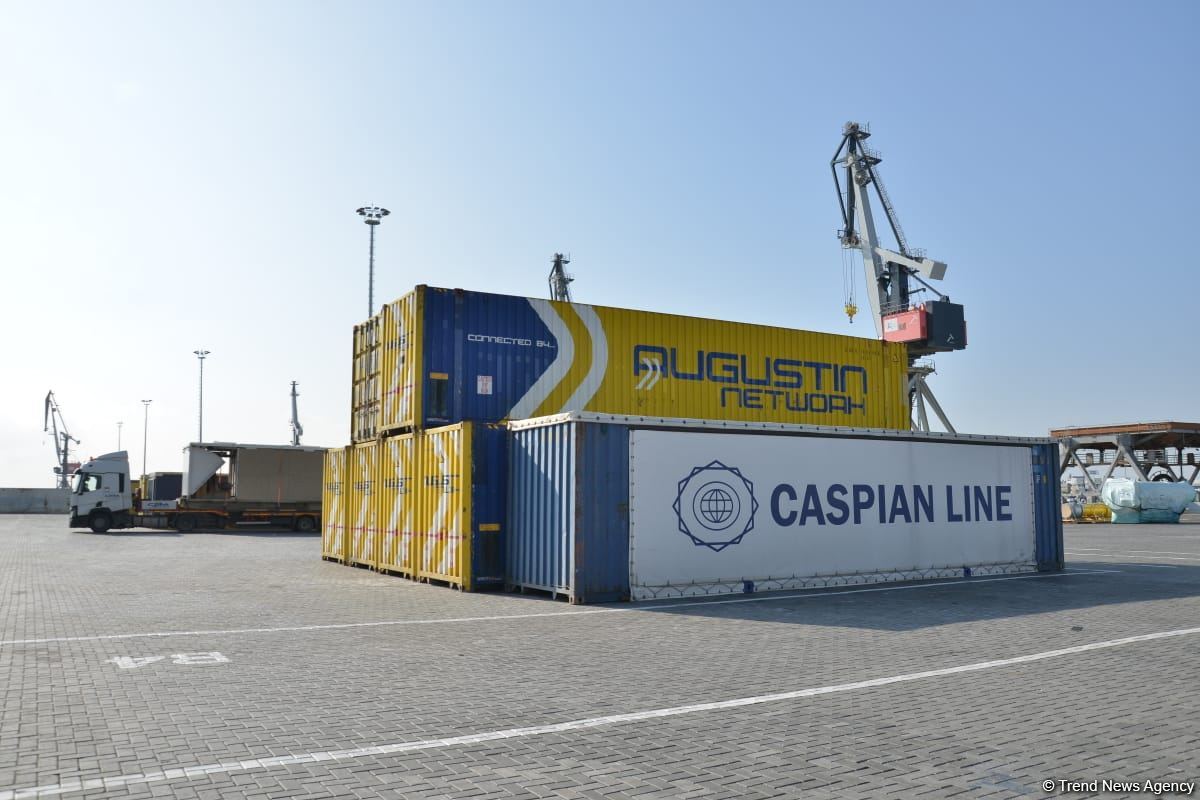
Azerbaijan’s non-oil sector exports grew by 6. 6% in the first 10 months of 2025, totaling $2. 99 billion. Food exports rose by 19. 8% to $962. 1 million, while agricultural exports increased by 27.
The Asian Development Bank (ADB) is prioritizing investments in cleaner and more resilient energy systems across Central Asia, aiming to balance decarbonization, energy security, and affordability.
Uzbekistan’s trade with Turkmenistan fell nearly 8% in the first ten months of 2025, while the country’s overall foreign trade surged 21.5%, highlighting shifting dynamics in regional commerce.
From March 21 through October 22, 2025, Iran exported 329,000 tons of non-oil products to Georgia, valued at $132 million, a 2.8% drop in value. Total non-oil trade turnover with Georgia was $174 million for 343,000 tons, down 29% in value and 4% in volume from last year.

Azerbaijan's compulsory insurance market shows solid growth, with both premiums and payouts increasing, reflecting higher consumer participation and a more robust insurance sector overall.
The submission period is till January 9, 2026, and an invoice for participation will be provided upon submitting a written application.
Azerbaijan's banking sector shows robust growth, with a 13.4% increase in assets and steady expansion in the loan portfolio, reflecting overall stability and confidence in the financial system.
As of October 1, Tajikistan’s total external debt stood at $3.037 billion, down 4.7 percent from the start of the year. Around 95.5 percent of this is direct public debt, and government-guaranteed debt accounts for just over $15 million.

Azerbaijan’s payment card market is expanding rapidly, with a significant increase in card circulation and non-cash transactions, reflecting a growing trend toward digital payments and greater infrastructure in the banking sector.
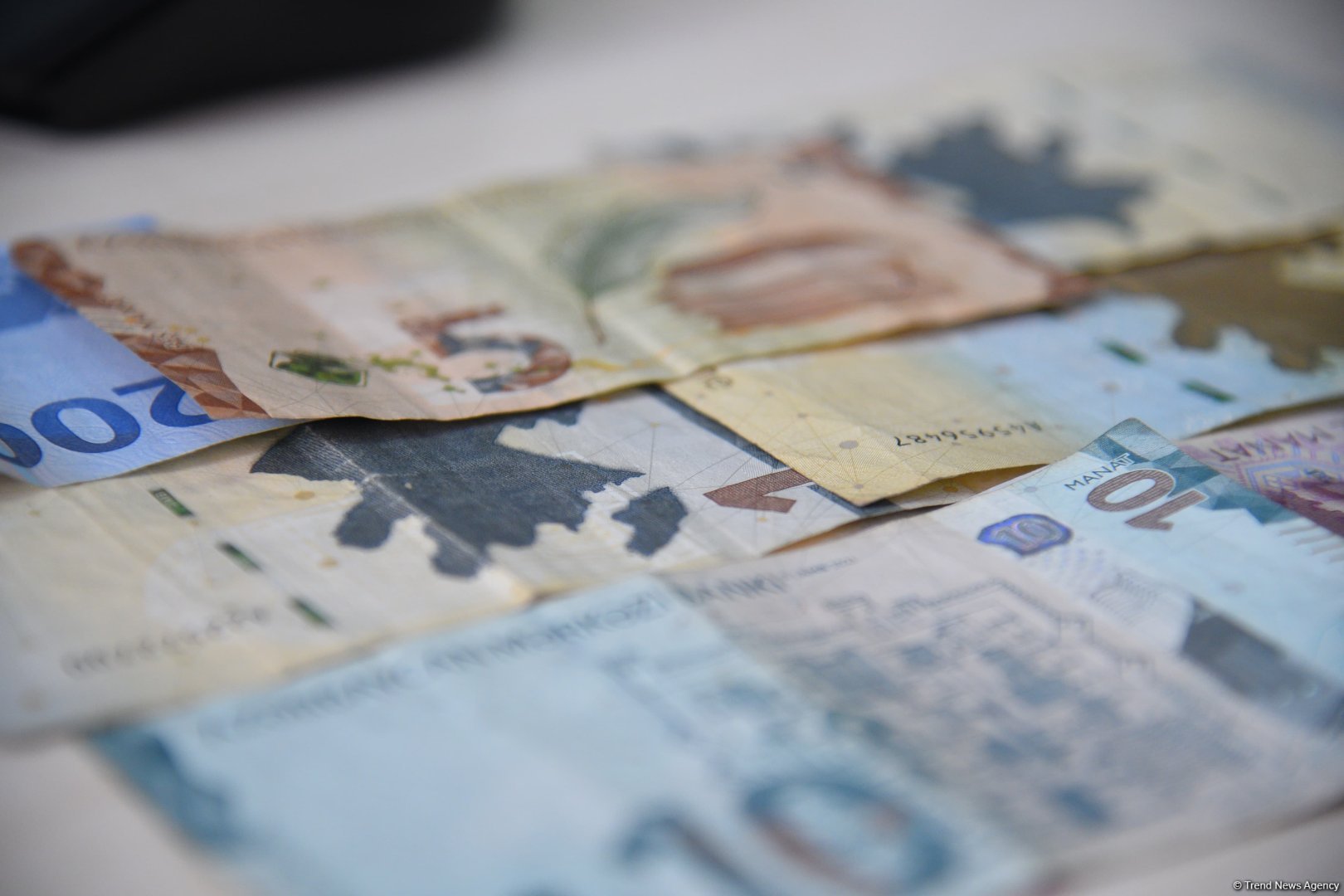
As of early November, Azerbaijan’s real sector credit portfolio reached about 31.2 billion manat, with households receiving the largest share of roughly 18.6 billion manat.
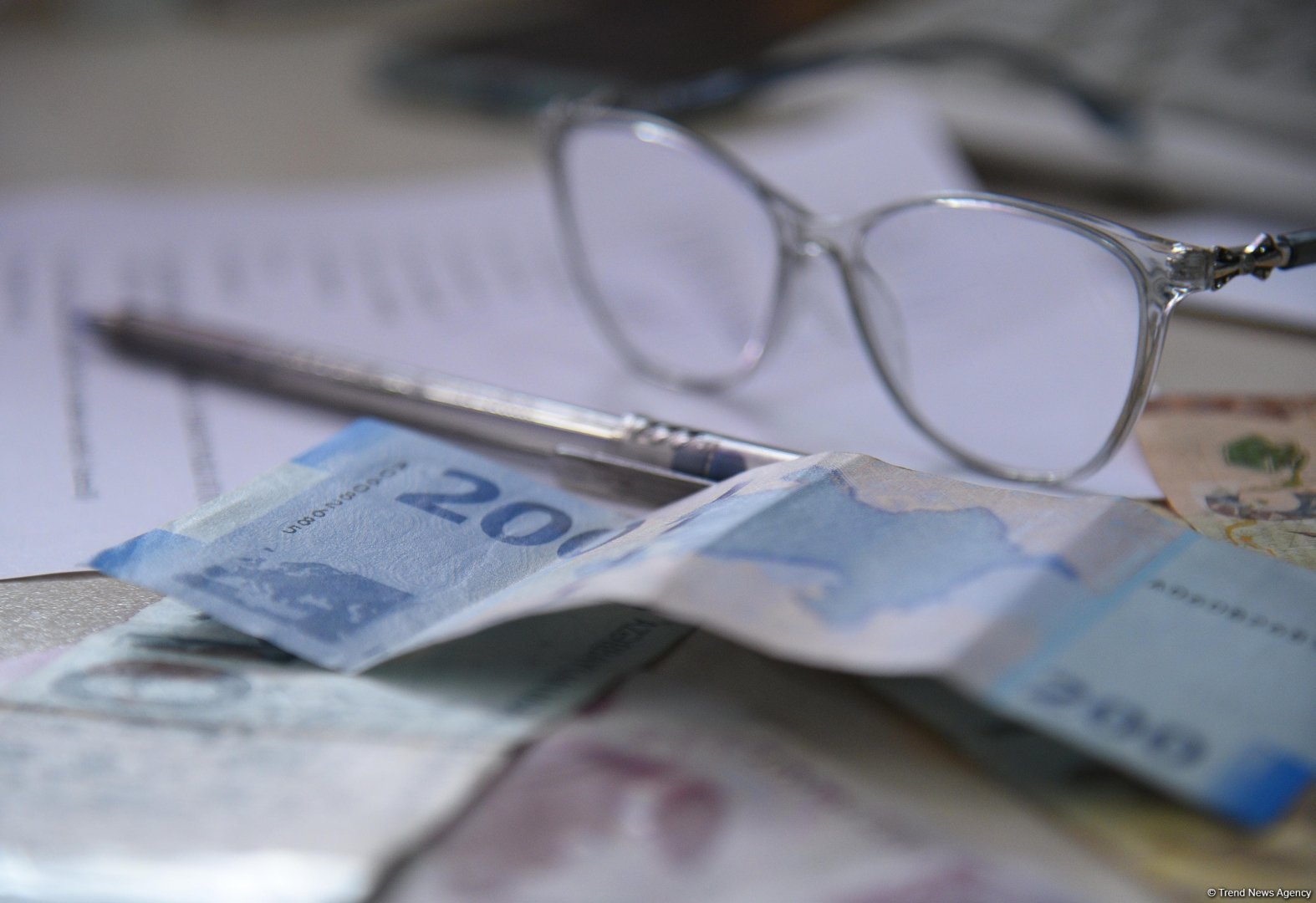
The circulation speed of the manat rose slightly month-on-month, reaching about three and a half points, though it remains below last year’s level.
Azerbaijan’s insurance companies paid out roughly 773 million manat in the first nine months of the year, marking an increase of about 150 million manat from the previous year.
Uzbekistan’s banking sector is on the rise, with the latest Central Bank data painting a rosy picture of robust increases in both lending and deposits across the nation as of November 1, 2025.
As of August 22, 2025, Iran's Central Bank foreign assets grew by 57. 4 percent to 36. 3 quadrillion rials ($58. 7 billion). Total CBI assets and liabilities reached 58. 6 quadrillion rials ($95 billion), up 49.
From January through October 2025, Azerbaijan collected 4. 05 million manat ($2. 38 million) in credit insurance premiums, according to the Central Bank. This represents a 6. 1 percent decrease compared to the same period in 2024.
Sales on the Iran Energy Exchange (IRENEX) reached 2. 9 quadrillion rials (nearly $4. 69 billion) from March 21 to November 27, 2025. During this period, 6. 21 million tons of goods were sold, valued at 2.
The initiative is rolled out as part of the project financed by the Asian Development Bank (ADB), called “Enhancing Resilience to Climate Change through Groundwater Management,” which is being carried out by the Kyrgyz Ministry of Water Resources, Agriculture, and Processing Industry.
Proposals from companies or suppliers under sanctions will not be considered. Bidders are required to include a signed self-declaration with their submission.
Exports through North Khorasan Province’s customs fell sharply in the first eight months of the current Iranian year, dropping 58% in value and 44% in volume. In the same period, exports totaled $26.
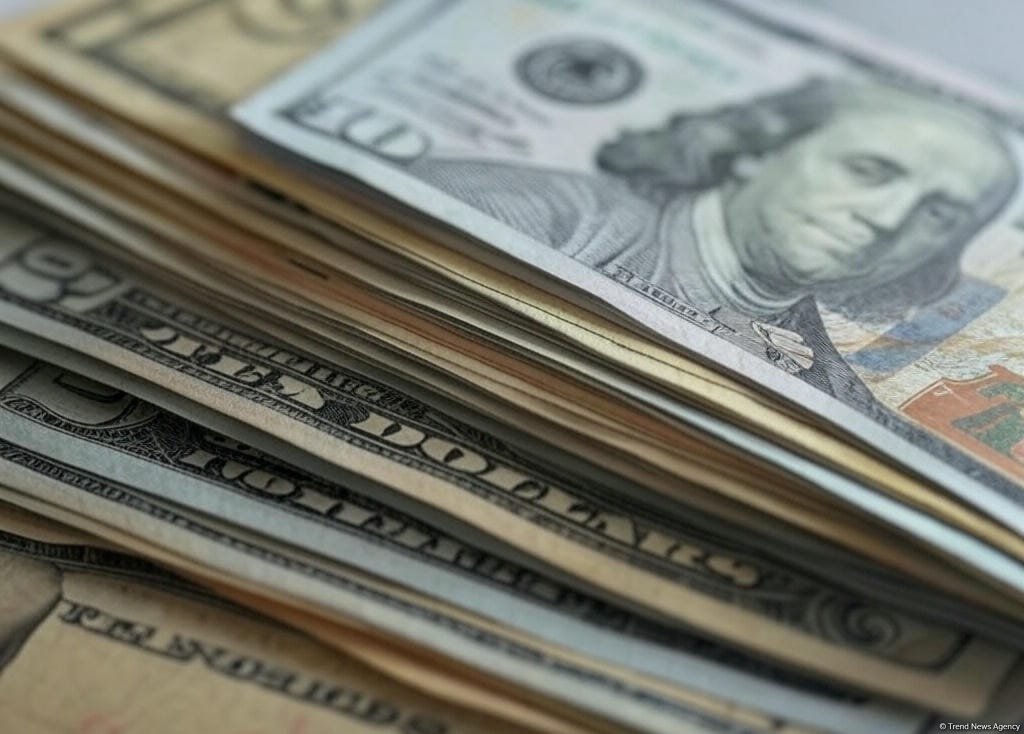
In November, Uzbekistan’s banking sector exhibited enhanced liquidity metrics, propelled by an uptick in high-quality liquid assets and bolstered stability ratios.
Uzbekistan’s banking sector posted solid profit growth in 2025, driven by rising income and improved profitability ratios.
Exports through Iran’s Mehran border crossing in Ilam province have surged, with around 1.7 million tons of goods valued at roughly $1 billion shipped to Iraq and other countries so far this year.
Iran aims to boost trade by developing its tech sector, with exports currently at $528 million. The country plans to establish innovation centers, including one in West Azerbaijan, and enhance cooperation with T's tech sector employs 161,000 people across 15,000 companies.
Interested companies must submit a written application detailing their legal status and country of registration.
Iran’s railway system saves the country over $1.5 billion annually while transporting around 43 million tons of cargo and 31 million passengers each year.
Eligible participants must submit applications including company details and legal status and comply with Turkmenistan’s tender regulations.
Iran’s non-oil exports to Kyrgyzstan slightly declined in the first seven months, totaling around 33,000 tons valued at about $60 million.
Iran’s imports from Kyrgyzstan surged to around $3 million and 2,000 tons in the first seven months of the year, driven mainly by agricultural products and phosphoric acid.
Exports from Iran’s Gilan Province rose to nearly $435 million in value and about 930,000 tons in volume, driven by growth in agricultural, industrial, mining, and petrochemical products.
Cargo handling at Qeshm Island’s ports rose sharply, reaching about 9 million tons in total, with non-oil volumes dominating overall operations.
Iran’s product exports in the first six months of the year reached about 75 million tons, valued at roughly $26 billion, while imports totaled around 19 million tons worth $28 billion.
Iran’s external debt rose to about $6 billion, marking a significant increase compared to the previous year.
Kyrgyzstan’s banking sector remains stable and highly liquid, providing ample capacity to support the country’s economic growth, the National Bank of Kyrgyzstan said.
The DFC highlights rising opportunities for private investment in Uzbekistan amid expanding economic ties.
Iran’s imports from Tajikistan rose by 11. 6 percent in value and 37. 8 percent in volume in the first seven months of the current Iranian year. Shipments reached 26,000 tons worth $49. 4 million, mainly consisting of cotton, silk fabric, and equipment.

Uzbekistan’s industrial output rose by nearly 7 percent in the first ten months of 2025, reaching 865.8 trillion soums as production expanded across most regions of the country.
Ardabil Province needs over $500 million in investments by 2029. Authorities plan to offer 304 projects worth 2.5 quadrillion rials ($4.12 billion) to investors. The goal is to achieve 23% non-oil growth, 13% mining growth, and 8% sectoral growth in industry, tourism, and agriculture.
The commissioning of the Sebzor Hydropower Plant is expected to strengthen regional energy security, reduce supply constraints for households and businesses, and support long-term economic activity in the Gorno-Badakhshan Autonomous Region.

Uzbekistan has launched a major industrial project in the Navoiy region, establishing domestic production of cyanide salts through the joint venture CONTINAZ.

China ranked 6th among the world’s biggest gold buyers from January through November 2025, according to World Gold Council.
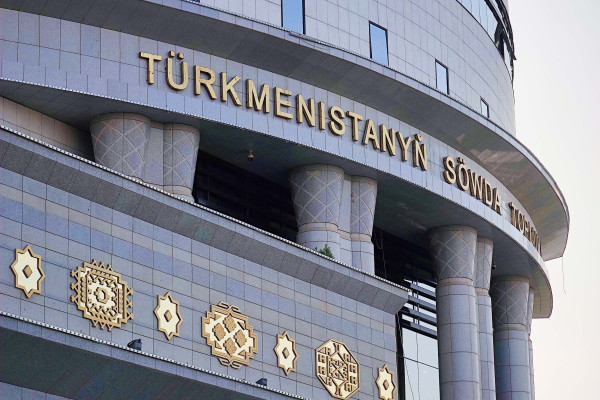
External quotations at Turkmenistan’s commodity exchange increased slightly in the latest trading session, driven mainly by stronger activity in the petrochemicals segment.
The Baku Stock Exchange (BSE) saw a significant drop in the number of transactions and a decline in repo transaction turnover compared to the previous year.
Azerbaijan’s non-oil exports to Belarus increased significantly in 2025. As a result, Belarus became one of the top importers of Azerbaijani non-oil products.
The State Tax Service of Azerbaijan is expanding the use of new-generation cash registers nationwide. These devices enhance transaction transparency, prevent illegal goods circulation, and improve market oversight.
In 2025, Azerbaijan refunded significant value-added tax (VAT) amounts to foreign citizens for consumer goods purchased within the country. This includes a variety of goods and services, ranging from retail purchases to medical services and accommodations.

Uzbekistan GTL aims to boost production by up to 20% in 2026, focusing on diesel sales, aviation fuel supplies, and improving economic and social efficiency.

Uzbekistan’s international reserves expanded at the start of 2026 largely due to rising gold holdings, reflecting both higher global prices and a gradual increase in physical volumes.

Kyrgyzstan’s Ministry of Water Resources, Agriculture, and Processing Industry advanced sector-wide initiatives, including scientific research and digitalization, to boost agricultural productivity, strengthen value chains, and support rural economic development.
Azerbaijan’s Mortgage and Credit Guarantee Fund (MCGF) has stepped up its support for individual borrowers and businesses, rolling out substantial loans and guarantees while helping out with rental housing.
Because imports expanded at a significantly higher pace than exports, the gap between the two widened. As a result, the foreign trade deficit increased by 12%.
The top five countries make up almost 44% of total imports, so Turkey imports heavily from a few major partners.

Strong growth in Kyrgyzstan’s processing industry underscores the sector’s rising contribution to GDP and industrial output, highlighting its role as a key driver of economic development.

The implementation of paperless trade systems in Turkmenistan and other Central Asian economies is expected to significantly reduce trade costs, enhancing regional economic integration and global trade efficiency.

Uzbekistan’s new car market opened 2026 with moderate growth, supported by higher sales of domestically produced vehicles, while demand for imported cars weakened.

Uzbekistan is rolling out a $36M copper pipe plant to trim down imports, boost job creation, and widen its export horizons.

Uzbekistan is accelerating its transition toward clean energy, with renewable power generation showing strong growth at the start of 2026.

The surge in capital investment underscores intensifying infrastructure development and expanding investor confidence, reinforcing construction as a strategic pillar of Kyrgyzstan’s medium-term economic growth.
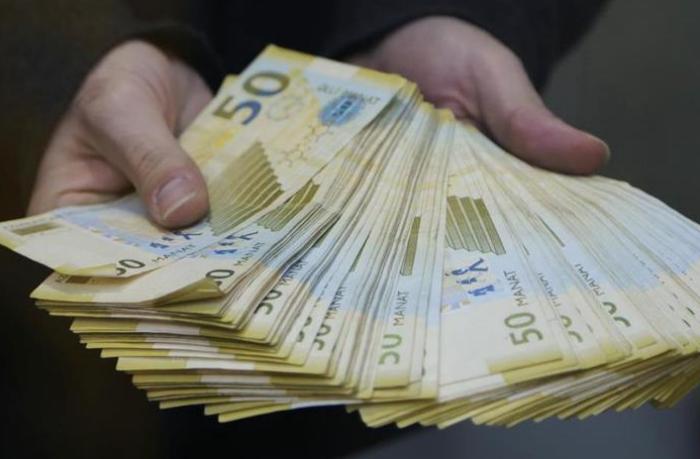
In January 2026, Azerbaijan’s state and consolidated budget revenues exceeded expectations. The budget execution showed positive results, with a high volume of payment orders processed. Several key revenue areas outperformed forecasts, demonstrating strong financial performance.

Uzbekistan has seen a sharp rise in foreign-invested enterprises over the past five years, highlighting the country’s increasing attractiveness to international investors.
Kyrgyzstan achieved significant economic growth and stability, driven by comprehensive reforms, state support, and major socio-economic transformations.

Switzerland's new regional program for the South Caucasus focuses on fostering sustainable development, climate resilience, and economic opportunities, with a particular emphasis on strengthening private sector growth and supporting macroeconomic stability in Azerbaijan.

In January 2026, Azerbaijani consumers spent notably on pharmaceutical products and medical supplies. The spending increased compared to the same month last year. These products made up a significant share of the total retail trade turnover.