15:34
UN predicts solid GDP growth in Uzbekistan through 2027
Uzbekistan’s economy is expected to maintain strong momentum in the coming years, supported by resilient domestic demand and continued public investment.


Uzbekistan’s economy is expected to maintain strong momentum in the coming years, supported by resilient domestic demand and continued public investment.

Turkmenistan is pulling out all the stops to expand its preferential lending programs, giving a leg up to entrepreneurship, agriculture, housing, and young families, all part of its grand plan for socio-economic development.
The energy sector will continue to be the bread and butter of Azerbaijan's economy, given its heavy hand in shaping fiscal revenues and exports. However, the global energy transition and reduced demand for fossil fuels pose challenges to long-term growth.
Uzbekistan has outlined the allocation of its external debt, which stood at $75.4 billion by the end of the first nine months of 2025, highlighting investments in infrastructure, energy, transport, and social development.
Despite a slowdown in investment and consumption growth, China’s export machine has gained traction in new markets like Africa and ASEAN, compensating for declines in traditional trading partners.

The data highlights the ongoing challenges faced by the sector, particularly in terms of labor costs, which continue to be the major driver of inflation in construction activities.
Iran has significantly increased its exports to Afghanistan through the Dogharun border, highlighting the growing trade and transit potential of the region.
Iran’s Cabinet has allocated significant funds to support the industrial sector, aiming to enhance food security and living conditions. The funds will be provided as loans to producers for importing essential raw materials and goods.
In 2025, Azerbaijan continued its VAT refund program for cashless property purchases, helping reduce costs for consumers. The State Tax Service reported successful implementation of the initiative throughout the year.
Transit and freight activity through Iran’s Astara border checkpoint in Gilan province has seen a notable increase compared to last year. The rise in trade volume reflects a growing flow of goods entering and leaving the country.

Georgia’s consumer prices edged down on a monthly basis at the end of the year, while inflation remained stable, reflecting mixed price dynamics across key consumer sectors.
Iran's currency market recently saw significant activity, highlighting the importance of foreign trade. The increase in exchange transactions reflects the growing role of exporters and new mechanisms in the market.
Uzbekistan is preparing for a major expansion of bank lending by 2030, alongside plans to deepen banking sector privatization and reduce the state’s role in finance.
South Korean business presence in Uzbekistan continues to expand, with hundreds of companies operating across key sectors, led by industry, trade, and construction.
Turkmenistan plans to channel significant funding into investment projects and social development next year, with a strong focus on supporting production sectors, modernizing infrastructure, and maintaining socially oriented budget priorities.
The Social Development Fund of Azerbaijan's State Committee for Refugees and Internally Displaced Persons has announced a tender for building a concrete channel and retaining wall for rainwater management in Baylik village, Lachin district.
The Regional Water Reclamation Service of the Azerbaijan State Water Resources Agency has issued a tender for the purchase of a GPS/GNSS System/IP67 Device. The participation fee is 103. 5 manat ($60.
Azerenergy Open Joint Stock Company (OJSC) of Azerbaijan has announced a tender for certification and control audit services per ISO 45001 and ISO 50001 standards. The participation fee is 250 manat ($147), with bids due by 10:00 (GMT+4) on January 30, 2026.

The number of enterprises with UAE capital operating in Uzbekistan has reached 404 as of December 1, 2025, highlighting the growing presence of Emirati investors in the country.
CEBR forecasts steady economic growth, low inflation, and a strong fiscal position in Tajikistan, underpinning private sector confidence and investment capacity.
New lending by Azerbaijani credit institutions totaled about 2.7 billion manat as of early December, with loans issued in the national currency accounting for roughly 2.4 billion manat and overwhelmingly dominating the market.
Inflation remains moderate, with consumer prices projected to rise 3.9% in 2025, matching the average rate observed before 2019.
The "Azerterminalcomplex" Union of Azerbaijan's State Customs Committee is holding a tender for ICT equipment. The participation fee is 450 manat ($264.7), with proposals due by 17:16 (GMT+4) on January 26, 2026.

The data indicate broad-based growth in construction across Uzbekistan, driven primarily by strong activity in the capital and surrounding regions.

Analysts highlight that the labor market has remained broadly stable despite the transition, with the surveyed urban unemployment rate estimated at 5.2% as of late 2025. This stability is supported by a growing services sector, which now accounts for nearly 60% of total value added in the economy.
Azerbaijan's State Housing Development Agency (MIDA) has announced a tender for software license procurement. The participation fee is 250 manat ($147), with proposals due by 15:00 (GMT+4) on January 26, 2026.
Meanwhile, recently the National Statistics Office of Georgia outlined that Tbilisi generated 53.1% of total GDP in Georgia, far exceeding other regions and underscoring its dominant role in the national economy.
The submission deadline for bids is January 14, 2026, at 14:00 Dushanbe time. Proposals must be submitted in Russian, with one original and one copy, to the NSIFT office in Dushanbe. Participants are allowed to apply for more than one lot.
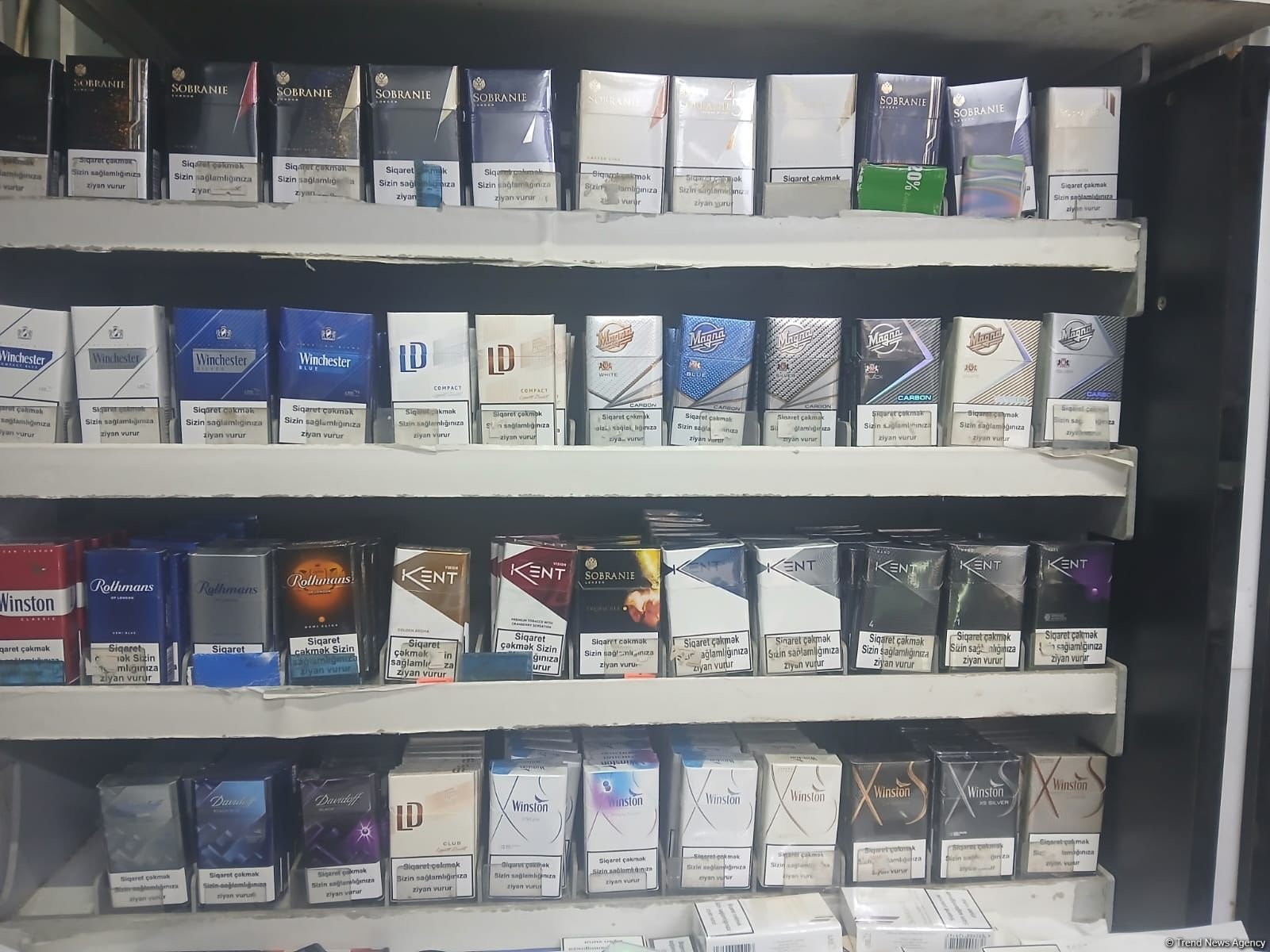
Azerbaijan produced 15.7 billion from January through November of last year. This figure grew by 15.3% compared to the same period in 2024. As of December 1, 2025, the stock of finished cigarettes and cigars in Azerbaijan exceeded one billion units.
Bids from eligible ADB source countries must be submitted by 16:00 on February 5, 2026. Domestic preference will be applied in bid evaluation in line with the bidding documents.
Germany's FDI in Azerbaijan fell to $23. 27 million in 2025, cutting down from last year's $46. 6 million. Meanwhile, Azerbaijan has ramped up its investments in Germany, bringing them up to $53 million, which is three times last year's $17.

The findings highlight a moderation in Turkmenistan’s economic growth dynamics compared to pre-pandemic years, despite maintaining its position among upper-middle-income economies.

China's trade turnover grew noticeably in November 2025, driven by strong increase in exports and a slight rise in imports.
Despite the cooling growth, analysts believe China will continue to improve its global standing in terms of individual wealth, with its GDP per capita ranking projected to move from 77th place in 2025 to 64th by 2040.
As of December 1, 2025, Azerbaijani banks and non-bank financial institutions lent 18. 7 billion manat ($11 billion) to local households. This marks a 0. 7% increase from the previous month and an 11.

Georgia’s business activity and prices showed mixed developments in November 2025.

Georgia’s external merchandise trade showed strong growth in the first eleven months of 2025.
At the same time, declines were recorded in the construction and energy sectors, partially offsetting gains in other areas of the economy.
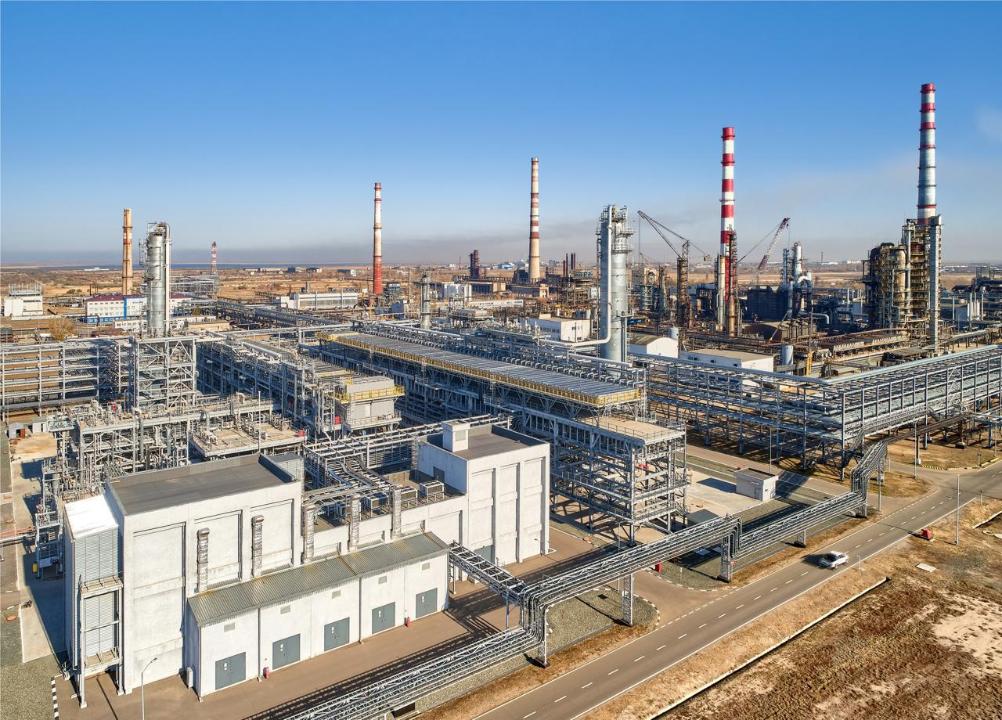
OPEC’s report highlights Kazakhstan’s continued importance in global oil supply chains, both within the framework of the Declaration of Cooperation and as a major exporter to European markets.
Despite the recent monthly decline, Iran’s crude oil output in 2025 remains well above its 2023 average and higher than the 2024 average, reflecting a sustained recovery in production levels amid shifting market conditions and OPEC+ supply management efforts.
Global oil supply growth from countries outside the OPEC+ Declaration of Cooperation (DoC) is expected to slow in 2026, following stronger expansion in 2025.
The Iran Mercantile Exchange (IME) sold 3.2 million tons of products worth 695 trillion rials ($1.06 billion) during the week of December 6-11, 2025. Sales rose by 0.5% in value but fell 10% in weight compared to the previous week. The industrial sector led with 1.96 million tons sold.
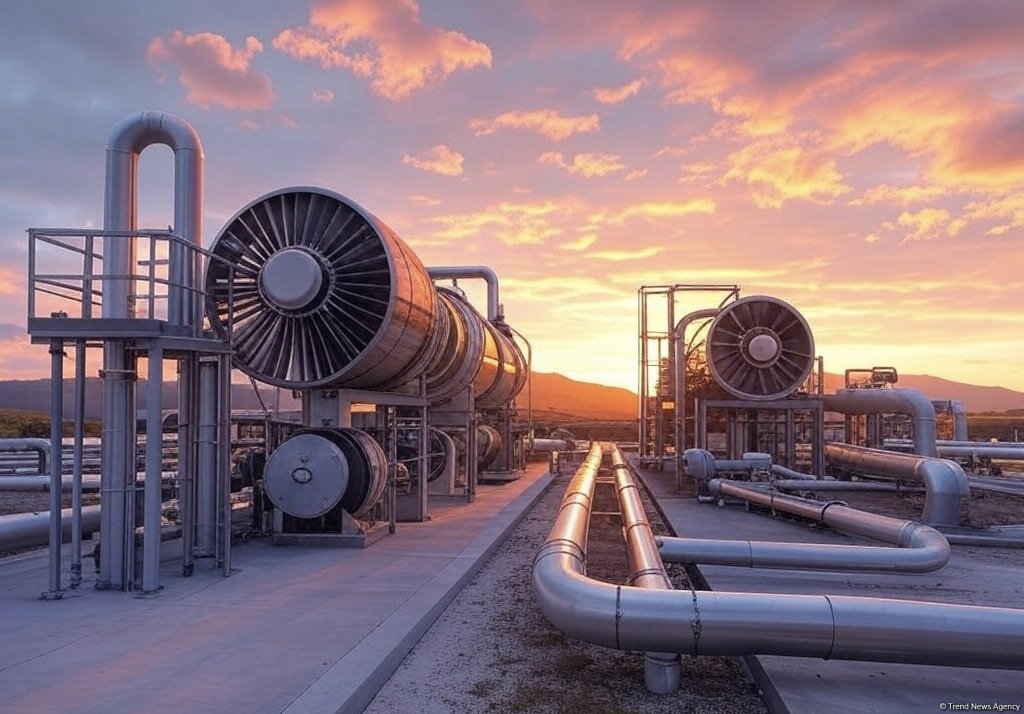
Azerbaijan exported 189. 5 million cubic meters of natural gas worth $105. 1 million to Serbia in the first 10 months of 2025, marking an 8. 1-fold increase in value and a 5. 4-fold rise in volume compared to last year.
Azerenergy Open Joint Stock Company announces a tender for the procurement of additional works to be carried out on electricity transmission lines.
The Nakhchivan Ministry of Economy has launched a tender for the design of the State Service for Antimonopoly and Consumer Market Oversight’s new administrative building.
The "Azerterminalcomplex" Union under Azerbaijan's State Customs Committee has announced a tender for design and estimate services for the Baku Customs Clearance Center. The participation fee is 600 manat ($352.
Solar power plants account for 83% of Iran's renewable energy potential, which totals 3,165 MWh. Wind, small hydropower, and biomass contribute much smaller shares. By next summer, Iran aims to boost its renewable energy capacity to 11,000 MW, with solar power reaching 7,800 MW.
Iran’s Offshore Oil Company has set a target to increase daily crude oil production in the Bahregan oil zone by nearly 4,000 barrels in the next year.
Azerbaijan's Shusha City State Reserve Department has announced a tender for the construction of six four-storey residential buildings in the D-5 neighborhood as part of Shusha's first phase of development.
Gas production from the South Pars field has increased by 6 million cubic meters per day, reaching 722 million cubic meters daily since March 21, 2025. This rise follows operational upgrades, including repairs and equipment renewal. POGC continues efforts to maintain and boost production.

Improved extractive sector governance could enhance investor confidence, strengthen fiscal sustainability, and increase budget revenues from mining, supporting Tajikistan’s long-term economic growth and public investment capacity.
A fresh initiative to enhance irrigation is kicking off in the Ismayilli district of Azerbaijan. The initiative aims to enhance water supply for agricultural development in the area. The project is being implemented under the supervision of the State Water Resources Agency.
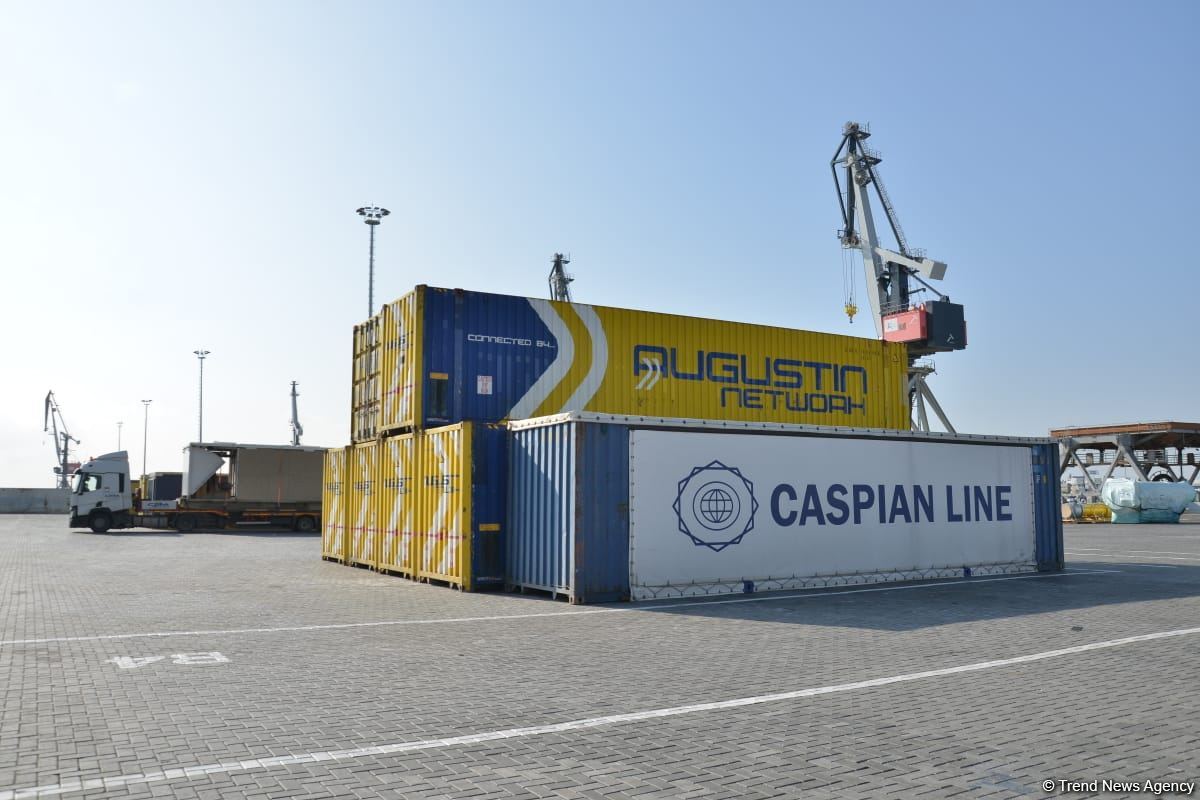
Azerbaijan’s trade with CIS countries grew last year, with exports and imports both increasing, and Russia, Uzbekistan, and Kazakhstan remaining the main partners.
Azerbaijan’s State Oil Fund (SOFAZ) significantly contributed to the national budget, demonstrating strong fiscal performance and growth in its assets over the year.
In January 2026, the AZIR index decreased following a reduction in the refinancing rate. The Central Bank of Azerbaijan’s policy tools effectively managed liquidity and minimized external impacts. Recent rate cuts led to lower interest rates across key financial markets.
Uzbekistan’s microfinance sector continued to expand rapidly in 2025, with total capital rising sharply and several players posting triple-digit growth, even as market positions shifted among the leading institutions.
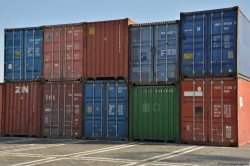
In 2025, Uzbekistan’s trade with Tajikistan flourished, highlighting the strengthening bonds between these two neighboring nations.
The business loan portfolio of Azerbaijani banks in the information and communications sector has seen a notable uptick.
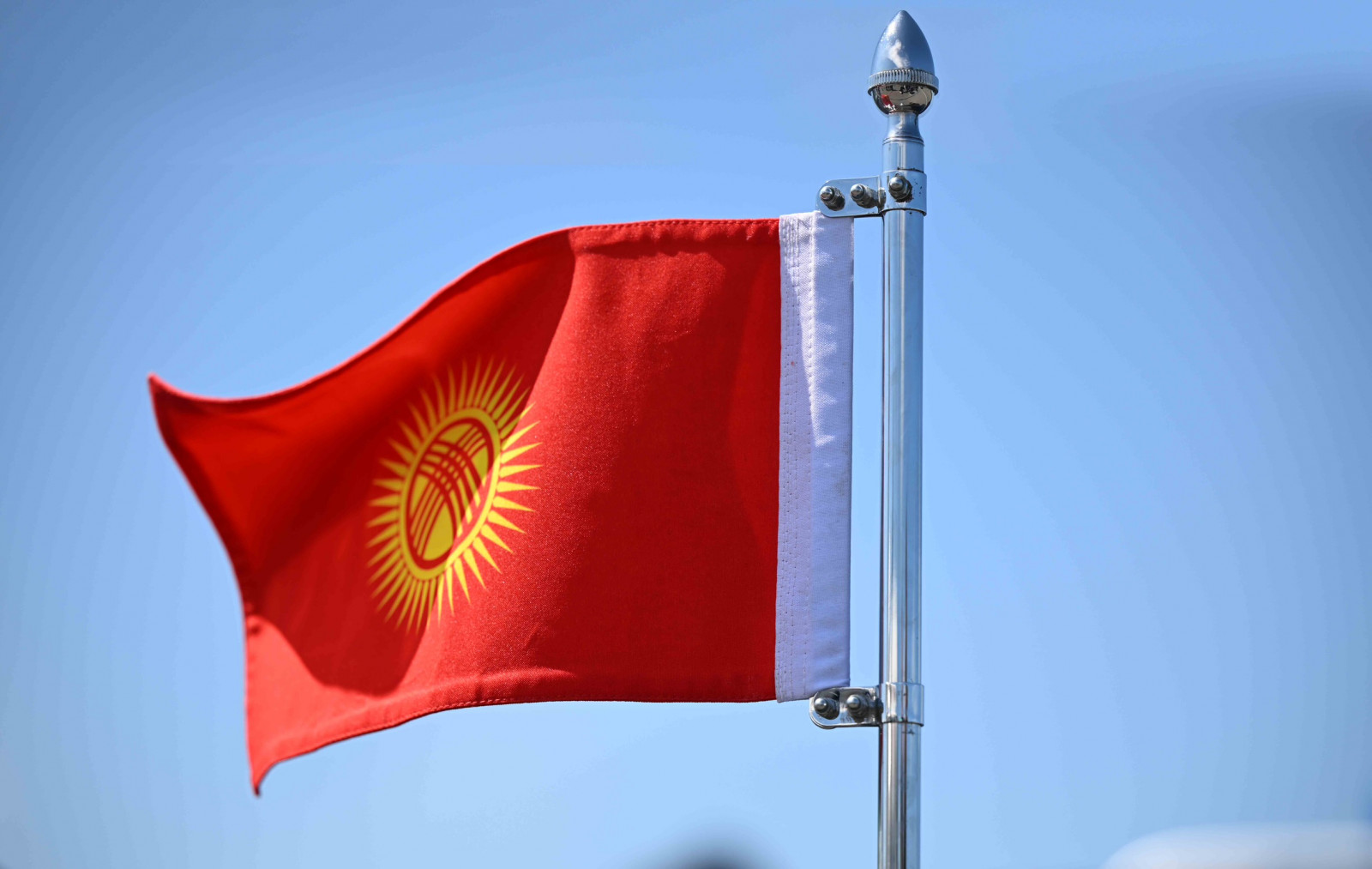
The new capital requirements are set to stir the pot in Kyrgyzstan’s pawnshop sector, bolstering financial stability while putting the squeeze on smaller regional players who are struggling to keep their heads above water with limited access to funding.

Kyrgyz businesses are spreading their wings in Uzbekistan, with trade and industry taking the lead and a growing involvement across a wide array of economic sectors.

In 2025, Uzbekistan’s fruit and vegetable exports really hit their stride, soaring to a remarkable $2.1 billion as shipments surged and solidified their place in the country’s overall export landscape.

The search engine landscape in Azerbaijan saw modest shifts at the start of the year. Google continued to dominate the market, while changes were also observed among competing platforms. Overall, the data points to evolving user preferences across major search engines.

In January, Facebook held the crown as the go-to social network for users in Azerbaijan.

The recent decline in the National Bank of Kyrgyzstan’s gold repurchase price reflects short-term market adjustments while maintaining the bullion’s role as a stable investment and liquidity tool.
The growing share of trade with SPECA countries underscores Tajikistan’s increasing reliance on regional connectivity, highlighting the economic importance of transport, logistics, and digital integration for expanding exports and diversifying trade flows.
The process of refunding value-added tax (VAT) to consumers is moving along smoothly in the Nakhchivan Autonomous Republic.

Tajikistan’s mining sector supports overall industrial growth, showing solid annual expansion despite seasonal slowdowns.

Livestock farmers in Turkmenistan’s Lebap Region have increased meat production in the first two months of the year, reflecting the continued development of the country’s livestock sector and growing agricultural output.

Trade turnover between Uzbekistan and India declined compared to the same period last year, reflecting changes in bilateral trade dynamics.
These figures underscore Azerbaijan’s growing non-oil sector and the strong performance of its food and agricultural exports as key contributors to economic diversification.
There will likely be a dramatic increase in the use of mobile devices for online shopping by 2030, with most purchases made on tablets and smartphones.
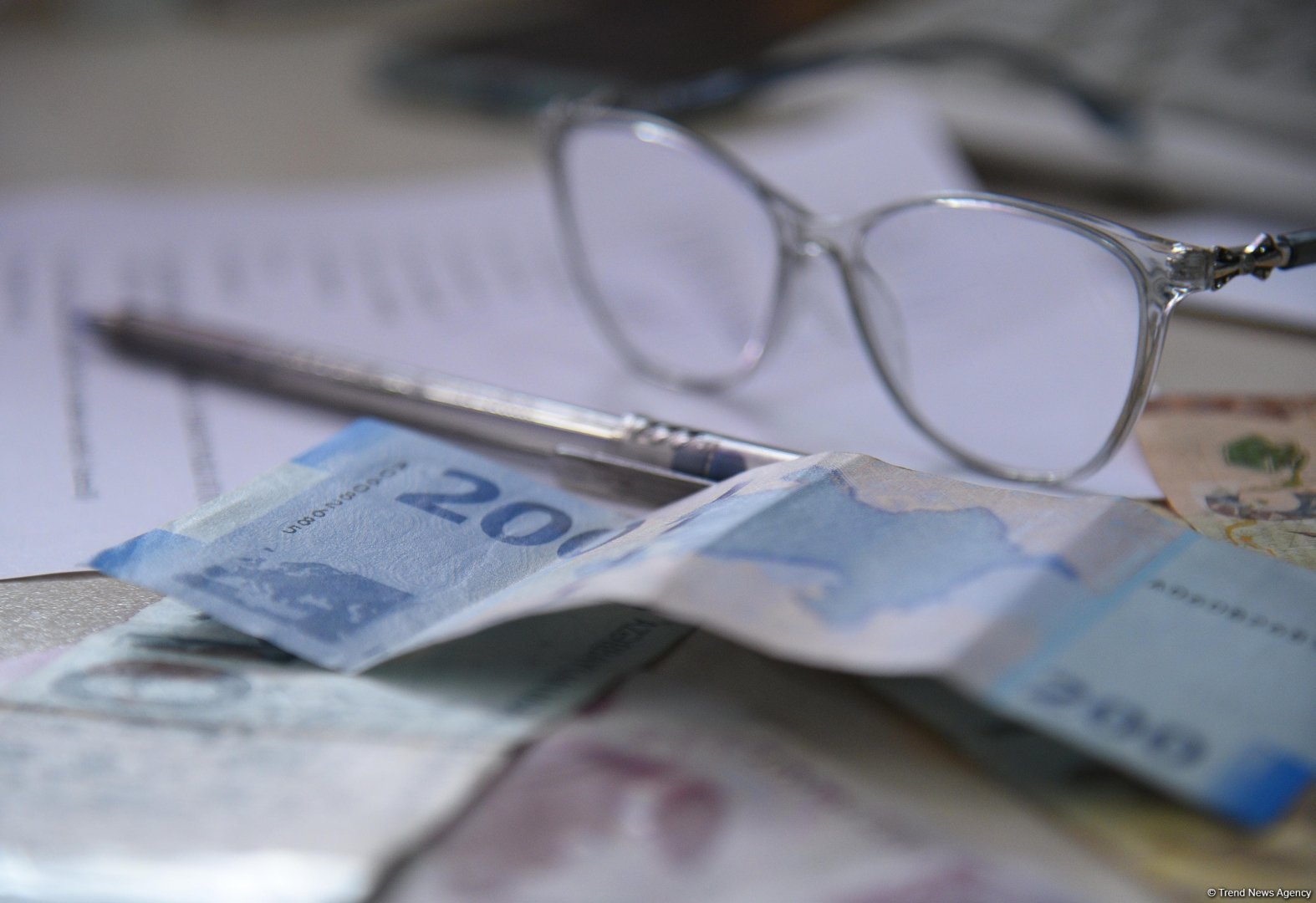
As of March 1, 2026, the number of active VAT payers in Azerbaijan has really taken off. The count of taxpayers and business entities has certainly seen a rise when stacked against the figures from the start of the year and last year.
Uzbekistan’s retail lending continues steady growth, led by mortgages and microcredits.
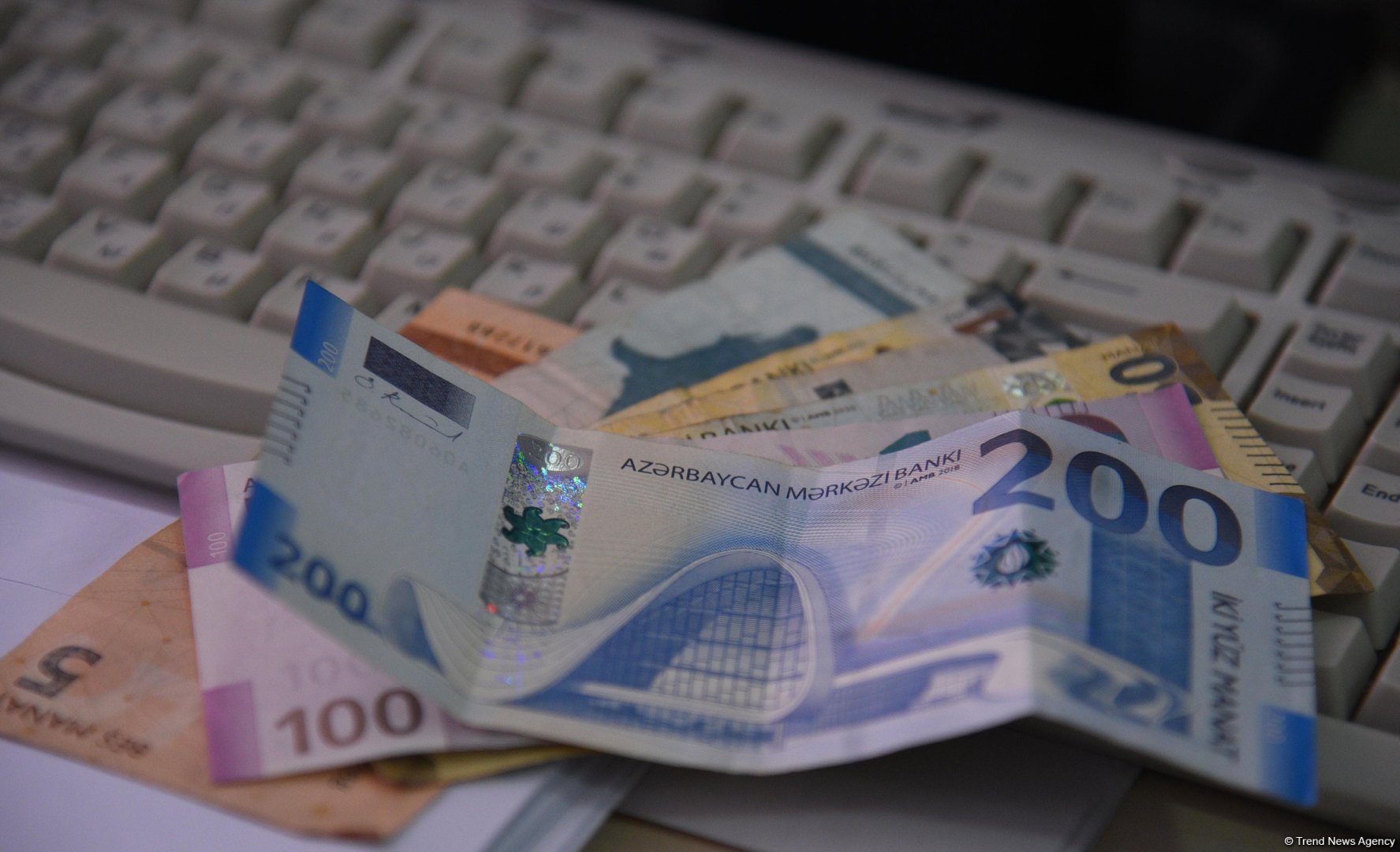
In January 2026, Baku's retail trade turnover saw an increase. The data highlights a growth compared to the same period in 2025. The rise was driven by both food and non-food product sales, with individual entrepreneurs playing a significant role.

Azerbaijan's carbamide exports saw a decline in January 2026. The revenue from these exports dropped compared to the same month last year, according to the "Export Review" data.