04:19
Iran reveals investments in road transport projects
Iran has disclosed the funds spent on road transport projects, according to the country’s Road Maintenance & Transportation Organization (RMTO).

Iran has disclosed the funds spent on road transport projects, according to the country’s Road Maintenance & Transportation Organization (RMTO).
The Ministry of Industry and Construction of Turkmenistan has launched an international tender for the supply of chemical products, refractory materials, and spare parts for a state enterprise.

Android’s market share in Azerbaijan has taken a hit, while Microsoft Windows has been making strides in the operating system arena. iOS and other operating systems have a smaller slice of the pie.

From January 26 through February 1, the Turkmen commodity exchange had 25 trades. Domestic enterprises bought wheat flour, cotton yarn, cotton soapstock, crude fatty acids, and plastic pallets.
Iran’s banking sector has seen a sharp strengthening in its financial base. Recent measures have significantly boosted the capital position of banks nationwide. Regulatory data points to sustained improvements in capital adequacy across the system.
Iran significantly expanded its imports from Kyrgyzstan during the reporting period, with notable growth in both value and volume, driven mainly by agricultural products and phosphoric acid.
Exports through Gilan’s Astara customs point in Iran saw an increase this year. Imports mainly consisted of lentils, barley, and wood materials. The region also handled notable transit cargo during the same period.

In 2025, outbound travel from Uzbekistan to Saudi Arabia took off like a rocket, with the number of Uzbek tourists flocking to the kingdom soaring by over 70% compared to the previous year, primarily fueled by leisure trips.
Iran is set to launch several key gas supply projects in early February. These include the completion of pipelines, metering stations, and a gas storage facility. The projects aim to expand gas access to numerous villages, cities, and industrial enterprises.
Last week saw a series of notable announcements and institutional developments in Azerbaijan’s financial sector. Updates across banking, insurance, capital markets, and public finance pointed to continued stability and steady growth.
The fluctuation in the price of Iran's Bahar Azadi gold coin reflects broader economic volatility, influenced by the implementation of a floating exchange rate system by the Central Bank of Iran.
Between February 1 and 11, Iran plans to commission facilities across the industrial, mining, and trade sectors.
In 2025, Uzbekistan continued to be the EBRD’s top pick, reeling in more than $1 billion for the sixth year running, with the cash flow directed towards sustainable infrastructure, private enterprise, and green energy initiatives.
The financial backing from Iran’s Keshavarzi Bank has been a game changer in getting agricultural enterprises back on their feet after they had hit a rough patch and curtailed their operations.
The Nakhchivan State Service for Property Issues has announced a tender for the valuation of state-owned assets.
As of January 2026, business loans accounted for the majority of Azerbaijani banks’ credit portfolios, representing over half of the total lending.
The Central Bank of Azerbaijan has released the ranking of banks by non-interest revenues as of January 1. Kapital Bank leads the list, followed by the International Bank of Azerbaijan and PASHA Bank.
The total value of external quotations published for the latest trading session at the Turkmen commodity exchange decreased compared to the previous session, primarily due to reduced activity in the agriculture and light industry sectors, while quotations in petrochemicals and mechanical engineering remained unchanged.
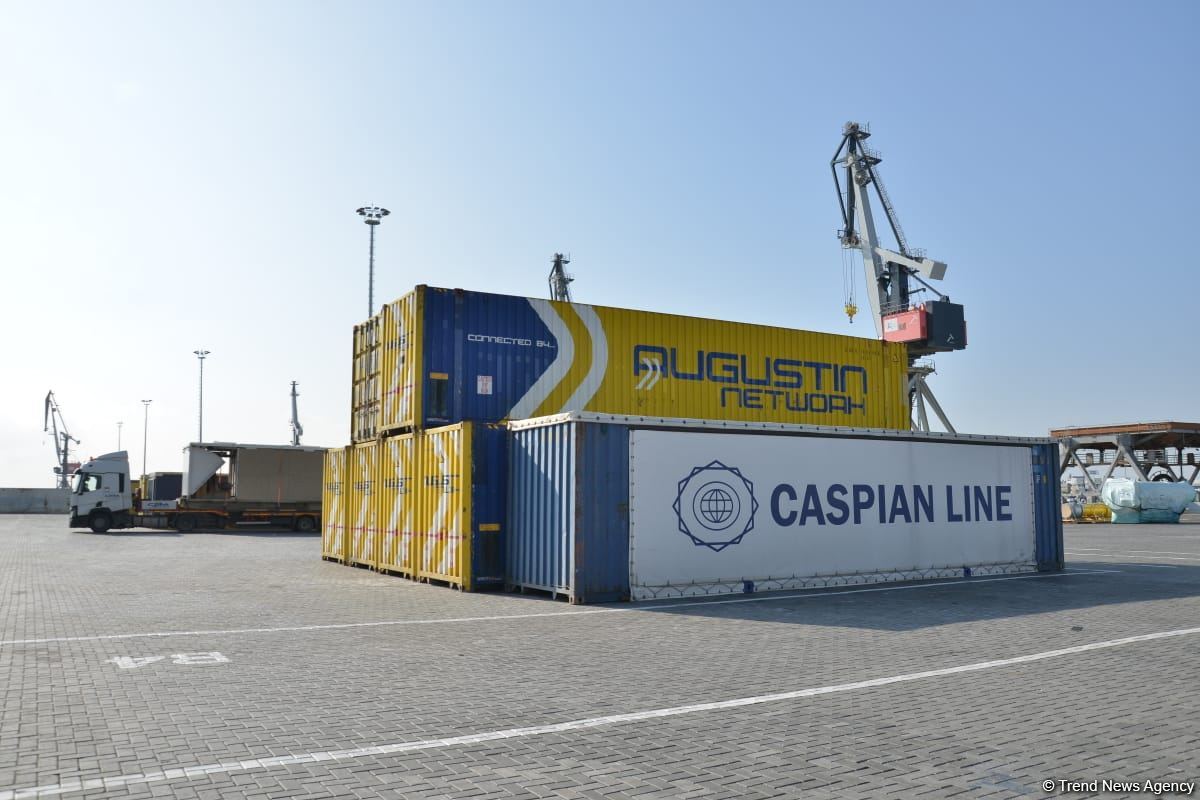
Trade between Azerbaijan and T's top trading partners, with notable shifts in both exports and imports. Non-oil exports to T
The data points to robust economic growth in Georgia in 2025, supported by solid output expansion and moderate inflationary pressures, according to official statistics.
The Central Bank of Azerbaijan has ranked banks by non-interest expenses as of January 1, 2026. Kapital Bank leads, followed by the International Bank of Azerbaijan and PASHA Bank. Bank Melli Iran’s Baku branch has the lowest expenses.
Both sides expressed their readiness to further strengthen cooperation, which could play a key role in mobilizing long-term financing, modernizing Tajikistan’s energy infrastructure, and enhancing the country’s position as a regional electricity exporter.
Iran’s non-oil exports to Turkmenistan have grown significantly in both value and volume compared to the previous year, driven by agricultural, industrial, and petrochemical products.
Iran’s non-oil exports to Uzbekistan have grown significantly in both value and volume, reflecting a strengthening trade relationship between the two countries.
In the first nine months of the current Iranian year, Iran's non-oil exports to Kazakhstan experienced a decline in both value and volume compared to the same period last year. The exports primarily included agricultural, food, tobacco, and petrochemical products, reflecting a drop from the previous year’s performance.
Iran has set a new daily production record at the South Pars gas field, a joint project with Qatar known as North Dome in Qatar.
In the first nine months of the current Iranian year, Iran's imports from Kazakhstan declined in both value and volume compared to the same period last year. The imports mainly consisted of wheat, barley, equipment, and other goods.
Iran plans significant fuel oil exports in the upcoming fiscal year while allocating substantial funds for gasoline and diesel imports, reflecting a complex balance between production and domestic consumption.
Azerbaijan’s industrial sector attracted substantial investment last year, underscoring its role as a key driver of the country’s economic development.

As of January 1, 2026, Uzbekistan’s bank deposits soared to 417.3 trillion soums ($34.4 billion), a significant leap from 308.7 trillion soums ($25.4 billion) the previous year, reflecting an increase in savings and trust in the banking system.
Uzbekistan’s ATM and information kiosk network expanded sharply in 2025, with state-owned banks maintaining a leading role in the market, Central Bank data show.
The International Labour Organization (ILO) highlighted that Azerbaijan’s non-oil sectors, including construction, ICT, transport, and tourism, continue to grow despite a slowdown in overall GDP growth.
In 2025, the Asian Development Bank reached record commitments in Uzbekistan, boosting reforms, infrastructure development, and green transition efforts, a senior ADB official told Trend.
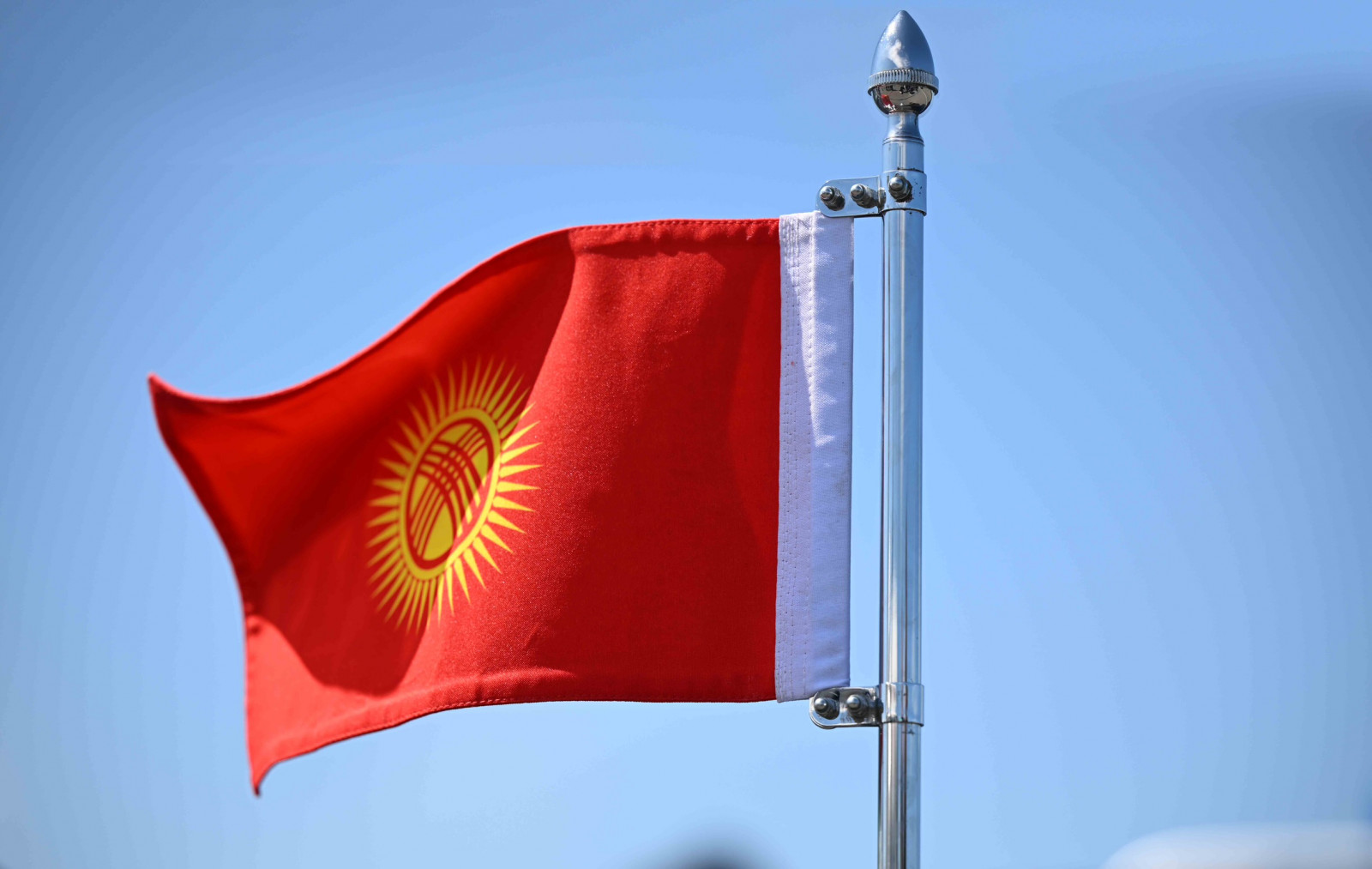
The sudden drop in sugar beet production and yields signals a brief bump in the road for the sector, emphasizing the importance of focusing on productivity and crop management.
Turkmengas State Concern has announced a tender for the purchase of material and technical resources, including pipes, equipment, and chemical products, for its operational needs.
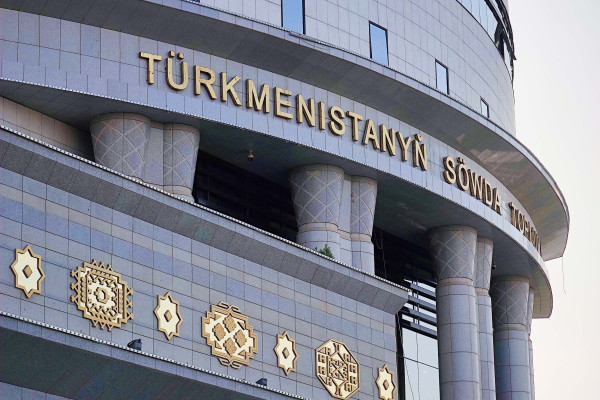
During the January 20 trading session at Turkmen exchange, UAE and local entrepreneurs purchased urea, wheat flour, and various textile products.
Iran has submitted a list of industrial and manufacturing enterprises to the Central Bank of Iran to secure working capital through bank loans.
Turkmennebit State Concern has launched an open tender for the procurement of general plant, technological, and drilling equipment.
Iran is set to enhance its crude oil production by installing new primary processing equipment in its oil fields. This initiative is part of efforts to boost production capacity. It also reflects the growing involvement of the private sector in advancing large oil projects within the country.
Additionally, November supply was revised down by 90 kb/d following updated tanker tracking data, reflecting a more cautious outlook for the country's oil production.
Iran’s imports from Azerbaijan have declined significantly in both value and volume, with a noticeable drop in non-oil trade between the two countries.
The IMF highlighted Turkmenistan’s main areas of fiscal and monetary focus, noting progress in moderating inflation and improving the non-hydrocarbon fiscal balance.
Iran’s stock exchanges have seen a significant surge in sales, driven by heightened activity in both the Commodity and Energy Exchanges.
Uzbekistan’s bank card market continues to grow, with the total number of cards in circulation reaching a new record by early 2026, underscoring the steady expansion of cashless payments across the country.
Iran’s non-oil exports to Georgia took a hit in value, even as they saw a modest uptick in volume, with key exports comprising agricultural products, steel, pipes, and petrochemical goods.

Uzbekistan has launched a new $734 million phase of development at the Muruntau gold deposit in the Navoi region, significantly boosting ore-processing capacity and job creation.
Turkmenhimiya State Concern extended the deadline for its international tender on the design and turnkey construction of a gas-to-gasoline processing plant in Turkmenistan.
The Ministry of Railway Transport of Turkmenistan launched a tender for a feasibility study on upgrading the Ashgabat-Turkmenbashi railway corridor.
In 2025, a large portion of investment in Azerbaijan's construction sector was directed towards residential projects. This marked an increase compared to the previous year. The share of investments in residential construction represented a significant part of the total fixed capital investments.
Drilling of new wells in the 11th phase of the South Pars gas field will begin soon to increase production. The completion of the jacket installation in the field was also confirmed. Final work on the jacket is expected to be completed in the coming weeks.

The volume of payments conducted through Turkmenistan’s national e-commerce system rose sharply year-on-year, reflecting the growing use of digital payment channels in the country.

The overall value of cashless payments in Turkmenistan increased year-on-year in 2025, reflecting continued expansion of digital financial services and broader use of Internet banking across the country.

Uzbekistan and Japan are deepening economic ties, with growing trade and a stronger focus on infrastructure and smart city cooperation highlighted at the latest business forum in Tashkent.

Kyrgyzstan’s booming construction sector, driven by rising demand and investment, has become a key contributor to the country’s economic growth and employment.
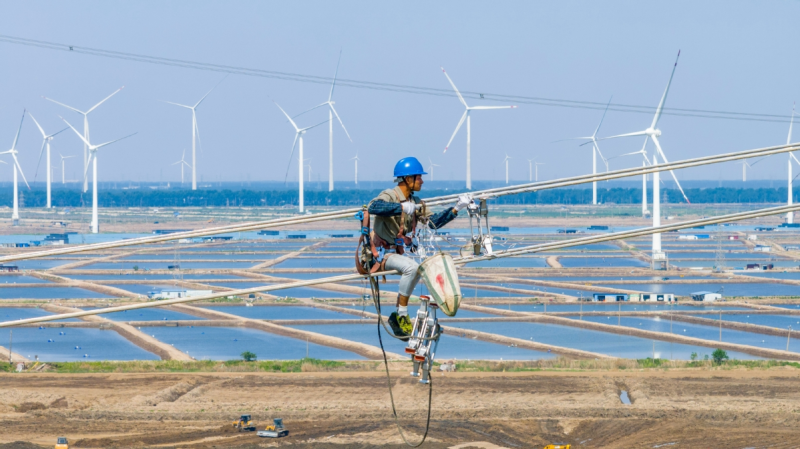
In 2025, China hit the nail on the head with its green and low-carbon transformation, seeing carbon dioxide emissions drop by 5% compared to 2024.
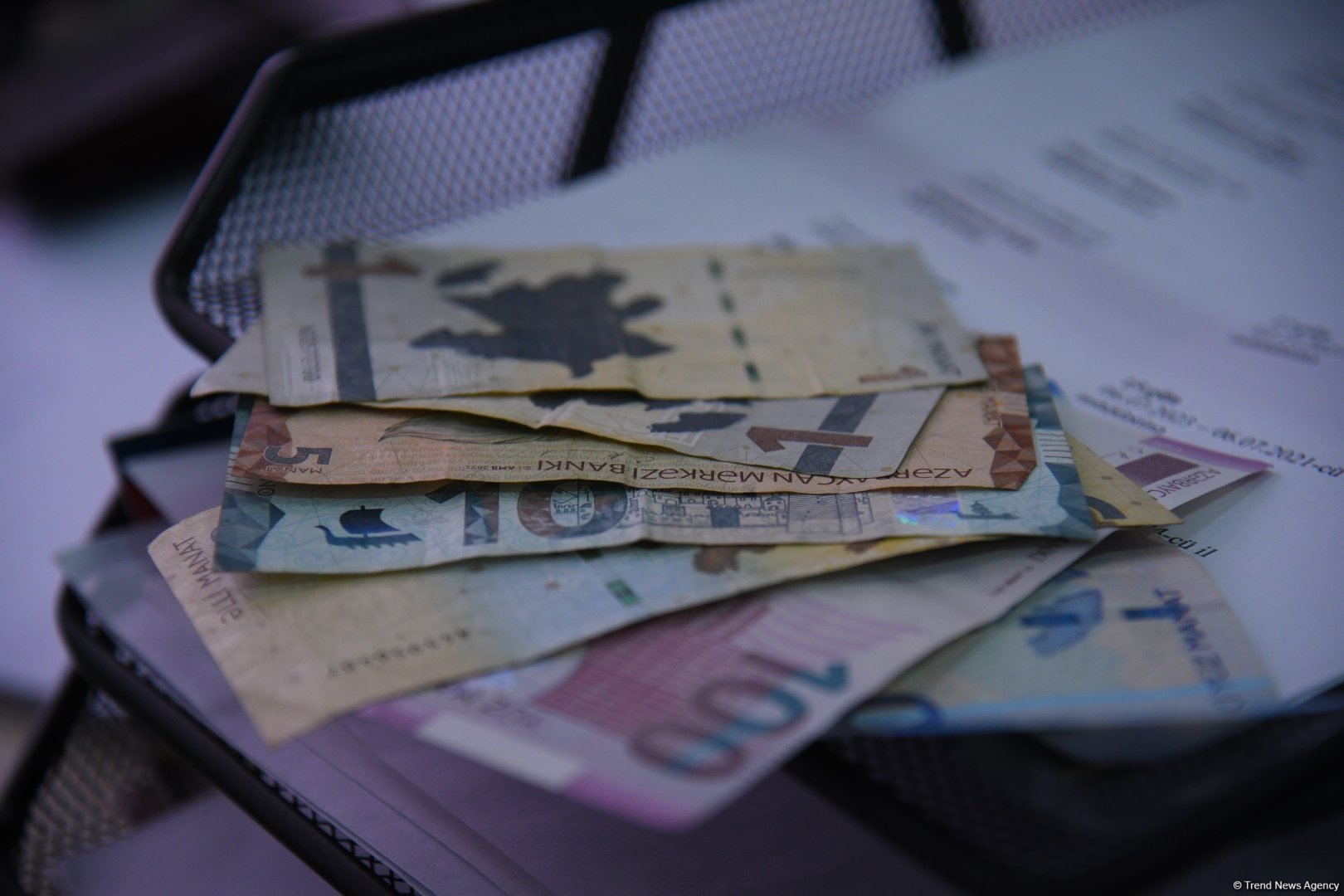
The Baku Stock Exchange has unveiled the turnover rankings of investment companies for the months of January and February in the year 2026. ABB Invest Company took the top spot, with PASHA Kapital Investment Company hot on its heels. CPM-Invest Investment Company landed in the bronze position.
As of February 1, 2026, the volume of loans extended to Azerbaijan's households by banks and non-bank financial institutions reached a significant total. According to data from the Central Bank of Azerbaijan, this figure saw a slight monthly increase and a notable year-on-year rise.
The institute noted that China’s upcoming sessions in March will set macroeconomic priorities for 2026, including policies to boost consumption.
The data paints a clear picture of ongoing growth in construction activity, showcasing its importance in bolstering social infrastructure development and sparking wider economic activity in Kyrgyzstan.
Uzbekistan’s export sector hit the ground running in 2026, showing impressive double-digit growth and broadening its reach in key markets.

In areas where reserves of inert materials are scarce, large industrial enterprises are turning to technogenic mineral waste as a viable alternative.

Uzbekistan and Indonesia are accelerating efforts to deepen economic ties, as bilateral trade surged by 82 percent in 2025.
The trade turnover between Azerbaijan and Israel took a hit in January 2026, showing a downturn compared to the same time last year. Exports from Azerbaijan fell sharply, while Israeli shipments to the country increased.
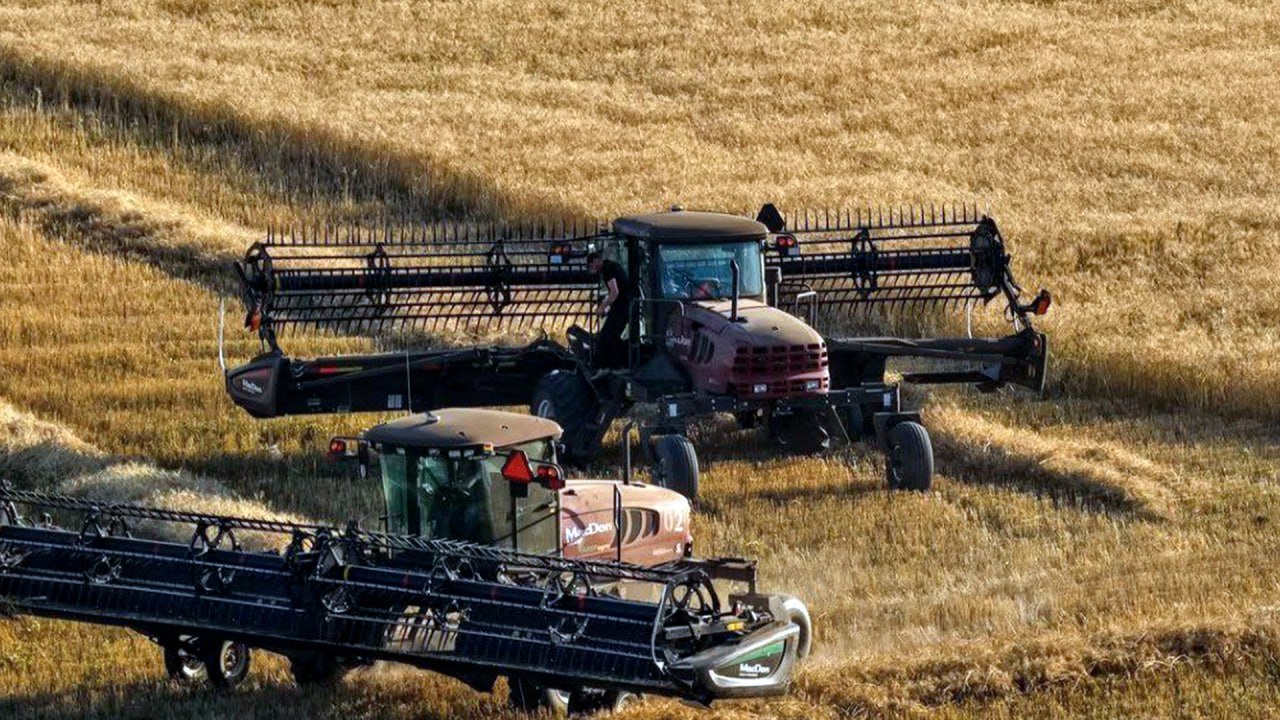
State-backed concessional lending and targeted agricultural projects are boosting Kyrgyzstan’s farm productivity and modernizing the sector to strengthen rural livelihoods and economic growth.
The total value of external quotations at Turkmenistan’s commodity exchange took a small step back compared to the previous session, with a minor dip in the construction materials sector, while other categories remained unchanged.

KazMunayGas’ total debt decreased in 2025, supported by higher free cash flow and dividends from joint ventures.

Russian LUKOIL saw a significant contraction in its balance sheet in 2025, with total assets decreasing by more than 41% year-on-year.
At the beginning of 2026, fixed capital investments in Azerbaijan's industrial sector increased. Investments in power generation and water distribution yielded mixed returns, while the mining and industrial sectors witnessed substantial growth.

Azerbaijan's fertilizer trade in early 2026 reflects significant shifts in both export and import dynamics, highlighting changing patterns in the country's agricultural sector and broader trade strategy.
Individual remittances between Azerbaijan and the Czech Republic grew in 2025, with both inflows and outflows showing significant increases. The Czech Republic's share in Azerbaijan's total remittances also grew during the period.
Uzbek-Ukrainian trade continues to grow steadily, reflecting strengthening economic ties and sustained business activity between the two countries.

The transition from decline to growth in domestic extraction underscores Beijing’s ongoing push to bolster energy security and reduce reliance on expensive imports.
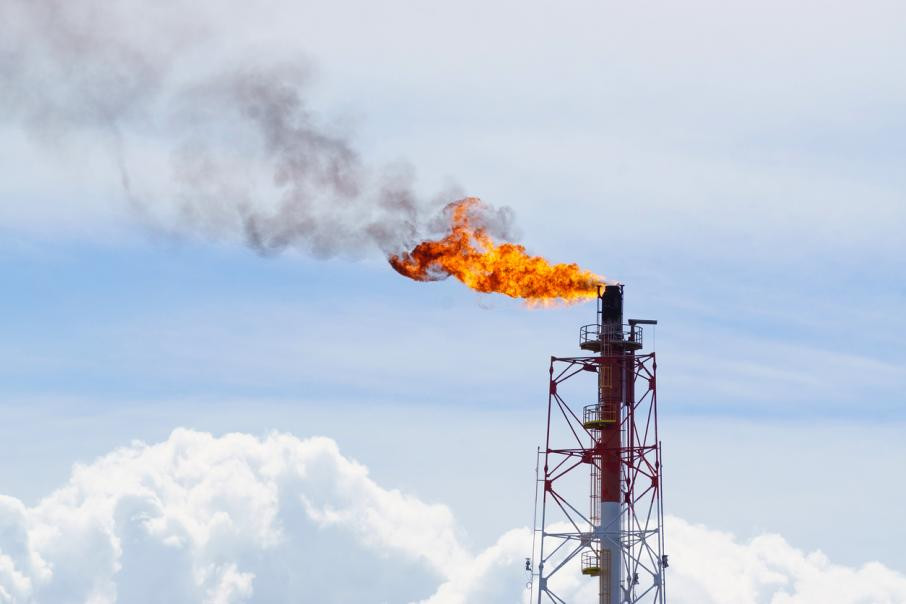
By boosting home-grown supply, Beijing aims to provide a stable "baseload" for both residential heating and industrial manufacturing during the peak winter months.

The aggregate trade volume between Turkmenistan and China hit $1.56 billion during the initial two months of 2026. Turkmenistan experienced a trade surplus of more than $1 billion in just 60 days, as compared to the $254.9 million in Chinese imports.
The amount of money Azerbaijan put into Saudi Arabia through direct investments grew dramatically in 2025 compared to other years. A significant amount of Azerbaijan's overall FDI that has left the country is accounted for by this increase in investments.