02:09
Iran's product imports from Uzbekistan soar in 10M2025
During the first ten months of the current Iranian year, Iran’s product imports from Uzbekistan grew both in value and volume compared to the same period last year.

During the first ten months of the current Iranian year, Iran’s product imports from Uzbekistan grew both in value and volume compared to the same period last year.
Turkmengas has launched an international tender to select a contractor for calibration of measuring instruments at an accredited center.

A new investment in Masalli Industrial District will support a plastic container production project for the agricultural sector. Azmer Group LLC has become a new resident, joining 10 other businesses in the district. This initiative will create additional permanent jobs.
Crude oil production at the Iranian Central Oil Fields Company (ICOFC) has seen a notable increase this year. The company's gas output really hit the ground running and saw significant growth. CEO Peyman Imani pointed out that these advancements showcase ICOFC's knack for turning obstacles into stepping stones and making the most of its production capabilities.

Uzbekistan and Afghanistan strengthened business ties in Mazar-i-Sharif, with entrepreneurs reaching preliminary agreements worth $205 million.

Uzbekistan continues to strengthen its energy sector, with thermal power generation showing steady growth alongside a rapid expansion of renewable energy.
Iran’s imports from Georgia have decreased significantly over the first nine months of the current Iranian year.

Kyrgyzstan’s industrial sector grew strongly in 2025, with non-Kumtor industries driving diversification and manufacturing expansion despite the continued dominance of gold mining.
In the first ten months of the current Iranian year, the appetite for crude steel in Iran has seen an uptick, as highlighted by a report from the Iranian Steel Producers Association (ISPA).
The flow of non-oil goods through Bushehr port has seen a remarkable uptick since the beginning of the current Iranian year. The port has been busy as a bee, juggling a hefty load of non-oil products and witnessing a surge in container traffic.
Bushehr Province's ports have seen significant cargo activity this year. Petroleum products dominated the cargo, while non-oil product transit also grew. Ship traffic in and out of the ports has remained strong.
Azerbaijan experienced a notable uptick in maritime freight volumes in January 2026. The volume of global shipments surged significantly in comparison to the prior year. Nonetheless, the aggregate worth of these consignments saw a significant downturn.
Expenditures on mine exploration in Iran have significantly risen this year. However, the number of new mine licenses and exploration permits has decreased. This trend marks a shift in the country's mining activities.
In the first eight months of the current Iranian year, petrochemicals and petroleum products made up the largest share of Iran's exports. The mining and industrial sectors also contributed significantly, while agricultural exports saw a decline.
Domestic private sector investment in Iran's fisheries sector has skyrocketed, far outstripping initial funding plans.

The decline reflects short-term volatility in global gold markets and exchange-rate dynamics, which directly influence domestic bullion pricing by the National Bank of the Kyrgyz Republic amid ongoing adjustments in international precious metals markets.
Transit through the customs facilities of Kermanshah Province recorded significant growth during the current Iranian year. The increase was observed compared to the same period last year. The bulk of transit operations were carried out through the province’s key border checkpoints.
During the first ten months of the current Iranian year, Iran’s non-oil exports to Turkmenistan increased significantly in value compared to the same period last year, while growth in terms of volume remained modest.
In January, the Nakhchivan Autonomous Republic recorded growth in its gross domestic product (GDP), reflecting an overall positive economic trend in the region.
Iran has experienced a rise in expenses for establishing licensed facilities. The investment in new facilities has increased compared to the same period last year. Although the number of licensed facilities has slightly decreased, the overall financial commitment has grown.
Turkmennebit State Concern has reopened an international tender for the procurement of general plant, technological, and drilling equipment, open to qualified manufacturers.
The State Service Turkmenstandartlary has launched an international tender for the supply of chemical agents needed for laboratory testing, open to qualified applicants.
Export volumes through Iran’s Caspian Port in Gilan Province have risen sharply, highlighting the port’s growing role in regional trade.
Uzbekistan continues to attract Azerbaijani investment, with hundreds of Azerbaijani-backed companies now active across the country.
Iran's imports from Turkmenistan have dropped in both value and volume in the first ten months of the current Iranian year. Overall non-oil trade with Turkmenistan also saw a slight decline.
Iran’s iron ore sector, led by companies such as Gol-Gohar Mining & Industrial Company and Chadormalu Mining & Industrial Company, demonstrates strengthening industrial output and upstream supply capacity, signaling improved raw material availability for domestic steel production and potential growth in export revenues despite ongoing economic pressures.
The total value of external quotations at Turkmenistan’s commodity exchange rose compared to the previous session, led by stronger activity in the petrochemicals, agriculture, and construction materials sectors, while other categories remained unchanged.
Bank lending to startup companies in Iran has expanded sharply, reflecting growing financial support for the country’s innovation and entrepreneurship ecosystem.
The State Commodity and Raw Materials Exchange of Turkmenistan recorded active trading sessions with both foreign and domestic deals, including petrochemical and plastic products.
Russian companies are gearing up to throw their hats into the ring by boosting their involvement in Iran’s crude oil production with fresh investments.
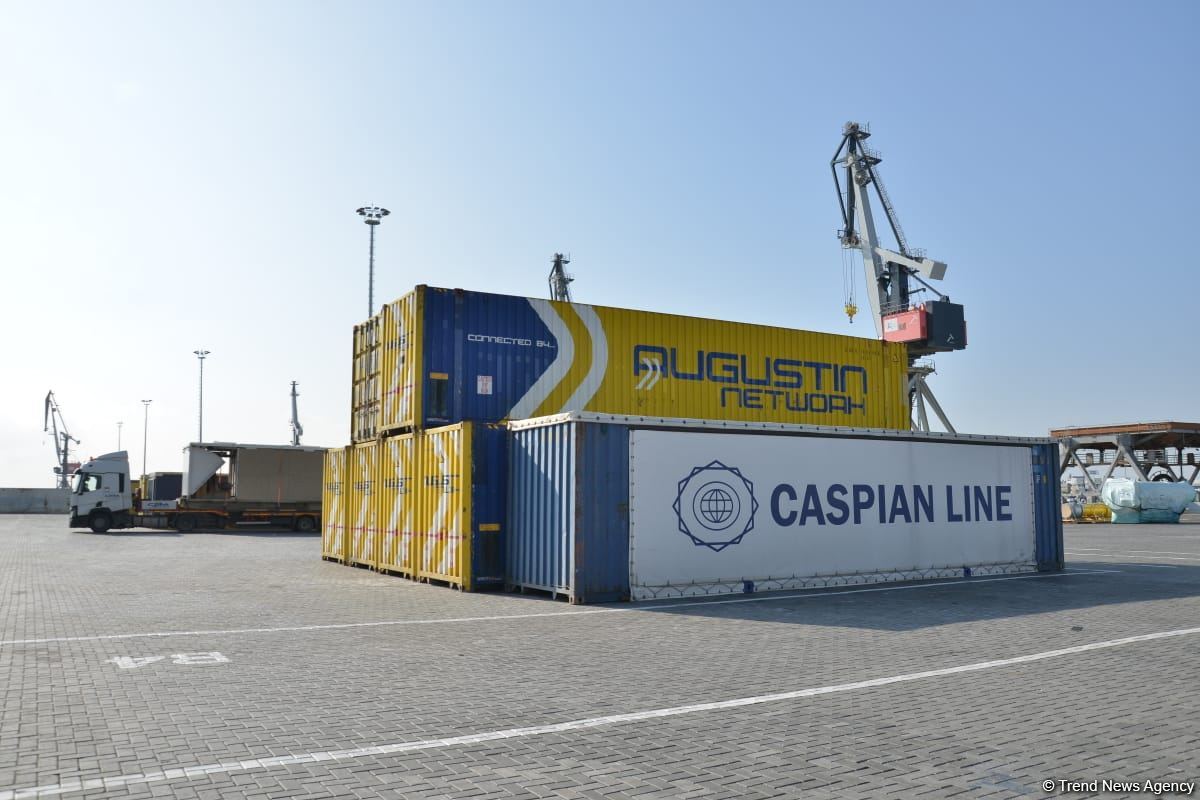
In January, Azerbaijan’s foreign trade turnover took a hit compared to the same time last year, with both exports and imports taking a nosedive.

S&P Global Ratings has affirmed the stable credit ratings of the Azerbaijan Business Development Fund (ABDF), highlighting the successful integration of its predecessor entities and strong capitalization.
Azerbaijan's Azerenergy OJSC has announced a tender for the construction of Chardagli-1 and Chardagli-2 small hydropower plants. Companies interested in participating must submit their proposals by the specified deadline, with a participation fee required.
Iran's railway sector has seen a boost in investment, prioritizing infrastructure development. The Younesi-Birjand-Milek-Zabol-Zahidan railway line, which will connect Chabahar port to Zahedan and Sarakhs, is a key project. This railway will be financed by the local private sector.
A decline in the unemployment rate has been recorded in Iran during the third quarter of the current Iranian year.
Iran's imports of goods from Azerbaijan saw a significant decline over the last 10 months compared to the previous year. Both the value and volume of imports decreased. The imported goods included equipment, compressed soy, profiles, and other items.
Production at the South Pars gas field, a joint venture between Iran and Qatar, has significantly increased. A new well has been commissioned to support this growth. The well was completed and quickly brought online to meet Iran's high energy consumption.
S&P Global Ratings reports that Azerbaijan maintains the lowest private sector debt to GDP ratio in the South Caucasus, with relatively low exposure to foreign currency lending and stable banking sector indicators despite slower projected credit growth.

Turkmenistan highlights increased trade turnover, textile production, and activity of business and industrial associations in 2025.
Azerbaijan's Azerishig OJSC has announced a tender for the construction of a new substation and control center, along with the installation of a power transmission line in Gusar city. Companies wishing to participate must submit their proposals by the specified deadline, with a participation fee required.

Uzbekistan has launched a new cardiology center project in Kashkadarya, aimed at enhancing cardiac care services and supporting local employment through foreign investment.
National Depository Center of Azerbaijan has announced a tender for the purchase of annual financial statement audit services. Interested companies are invited to submit their proposals in accordance with the established deadline and procedures.
Iran's saffron exports saw a modest increase in the first 10 months of the current Iranian year compared to the same period last year. The country exported a higher amount of saffron during this period. This growth reflects a positive trend in the industry.
The Azerbaijan Land Transport Agency has launched a tender for the procurement of voluntary medical insurance services. Interested companies must submit their proposals by February 25, 2026, with a participation fee required.
Azerbaijan Ministry of Finance has announced a tender for the extension of required licenses and the procurement of equipment. Interested companies are invited to submit proposals in line with the established deadline and procedures.
The total value of external quotations at Turkmenistan’s commodity exchange saw a rise compared to the previous session, buoyed by gains in the agriculture and light industry sectors, while petrochemicals dipped a bit and other categories held steady.
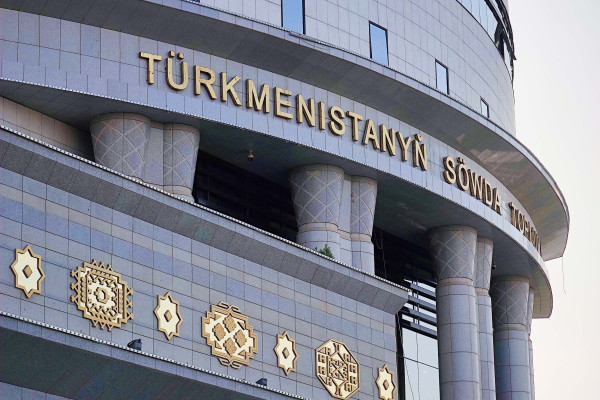
Entrepreneurs hailing from Afghanistan and Georgia struck gold with export deals for base oil during the bustling trading sessions at Turkmenistan’s commodity exchange.
The sharp rise in Kyrgyzstan’s non-tax revenues highlights the government’s expanding fiscal capacity and diversification of public income sources.
Turkmengas State Concern has launched a tender for the supply of material and technical resources, including pipes, plant equipment, and technological equipment, for its operations.
The rapid growth of Kyrgyzstan’s tax revenues underscores the strengthening of the country’s fiscal framework and the effectiveness of its revenue-collection policies.
The total value of external quotations at the Turkmen commodity exchange increased significantly compared to the previous session, driven by strong growth in the petrochemicals and light industry sectors.
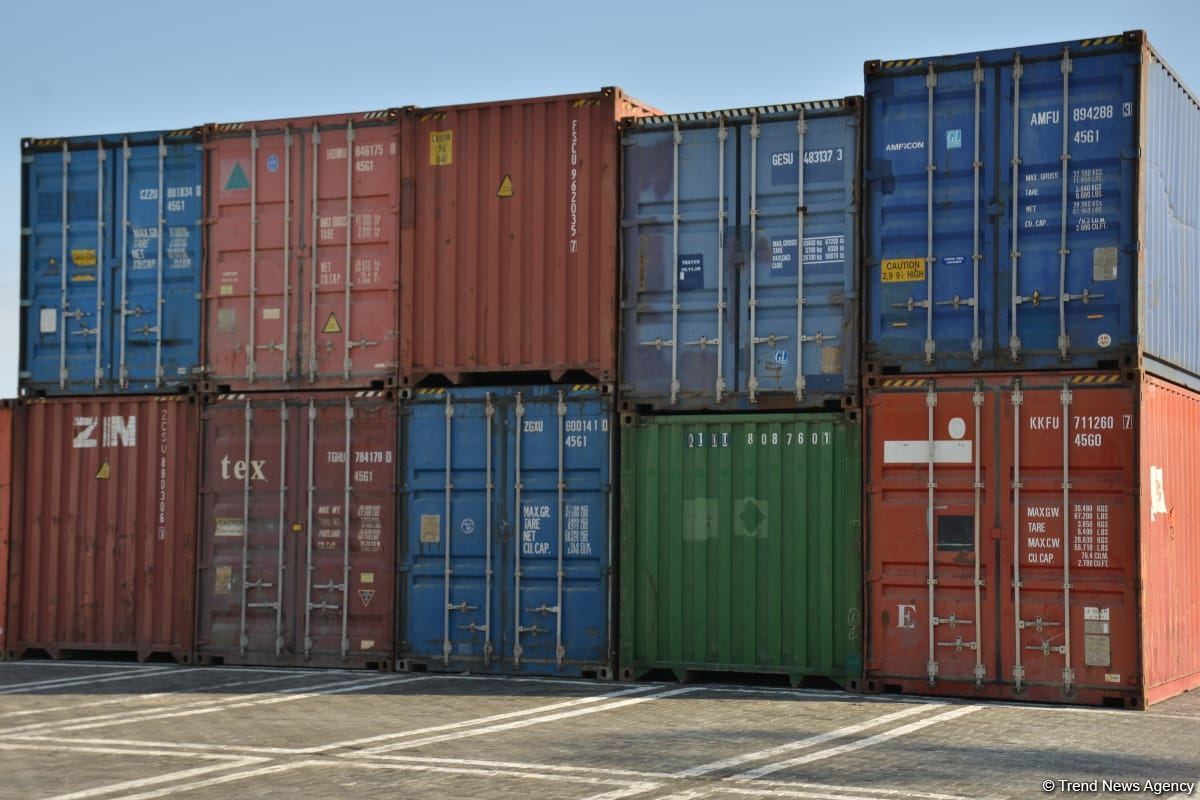
Trade between Azerbaijan and Russia reached $499.9 million in the first two months of 2026. This marks a significant decline compared to the same period in 2025. Despite the decrease, Russia remained one of Azerbaijan's top trade partners.

KazMunayGas increased its oil and gas output in 2025, driven by higher operational efficiency and capacity expansion.
KazMunayGas’ EBITDA grew in 2025, supported by higher revenue and profit shares from joint ventures.

KazMunayGas’ revenue rose in 2025, driven by weaker tenge and higher sales of petroleum products.

PJSC LUKOIL experienced a significant drop in its shareholders’ equity in 2025, primarily because of a sharp decrease in other reserves.

Azerbaijan's mining sector shows significant growth in copper concentrate production, contributing to an overall increase in the value of mining industry output for the year.

In 2025, PJSC LUKOIL improved its financial situation by reducing its overall liabilities by around 25%.
In 2025, remittances flowing from Canada to Azerbaijan experienced growth, constituting a minor segment of the overall foreign remittance landscape. Conversely, the prior year experienced a downturn in these remittances.
FDI outflows from Azerbaijan to Oman increased dramatically in 2025, a year in which the country's investments accounted for a negligible fraction of the total.
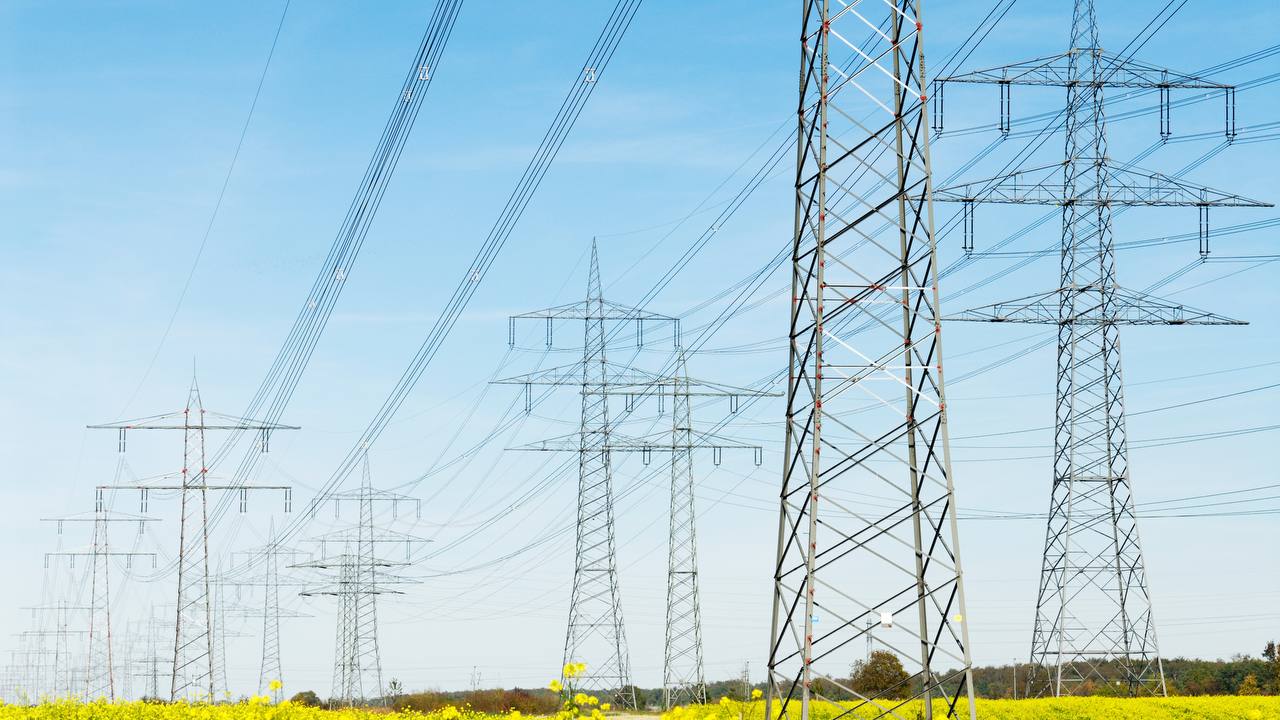
The transition of thermal power from "decline to growth" is particularly significant for global commodity markets, as it implies a steady demand for coal and natural gas.

In 2025, Georgia experienced robust economic growth driven by a significant uptick in high-value service sectors, reflecting a double-digit increase.

In the first two months of 2026, the top ten trading partners accounted for the majority of Georgia’s total exports, with China emerging as the leading destination ahead of Kyrgyzstan and Azerbaijan, amid a notable overall surge in exports driven particularly by exceptionally strong growth in shipments to China.
ING expects Uzbekistan’s policy rate to ease gradually as inflation moves toward 5%
Trade turnover between Azerbaijan and China increased in the first two months of the year, underscoring the deepening economic partnership between the two countries.
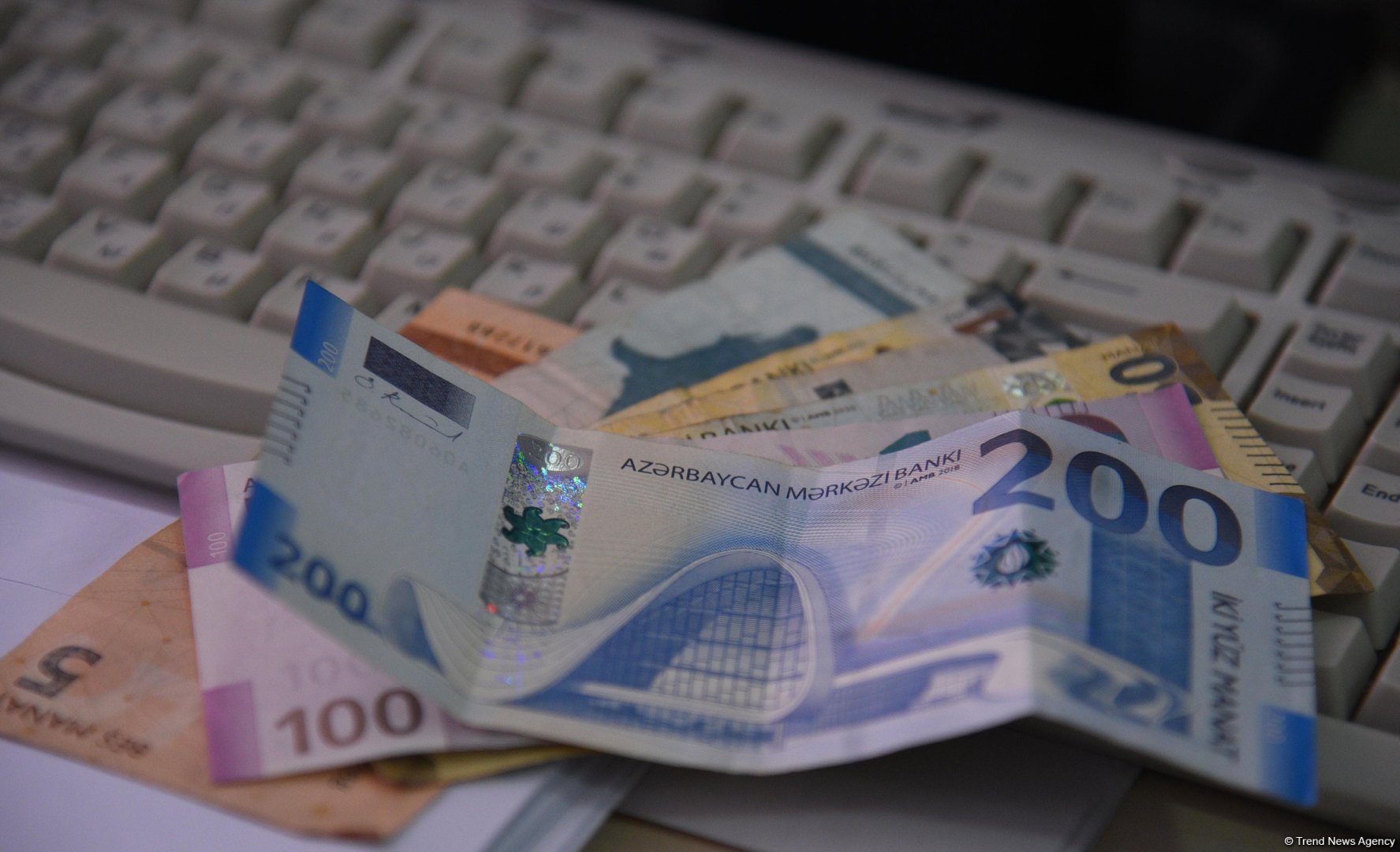
Azerbaijan’s financial sector demonstrated macroeconomic stability and continued progress in digital transformation during the first quarter of the year.
The total value of external quotations at the Turkmen commodity exchange slightly decreased compared to the previous session, amid declines in the petrochemicals and light industry sectors, while other categories remained unchanged.

The Burnebitgazkhyzmat department of Turkmennebit’s Nebitgazburavlayysh trust significantly overfulfilled its drilling plan in the first two months of 2026.
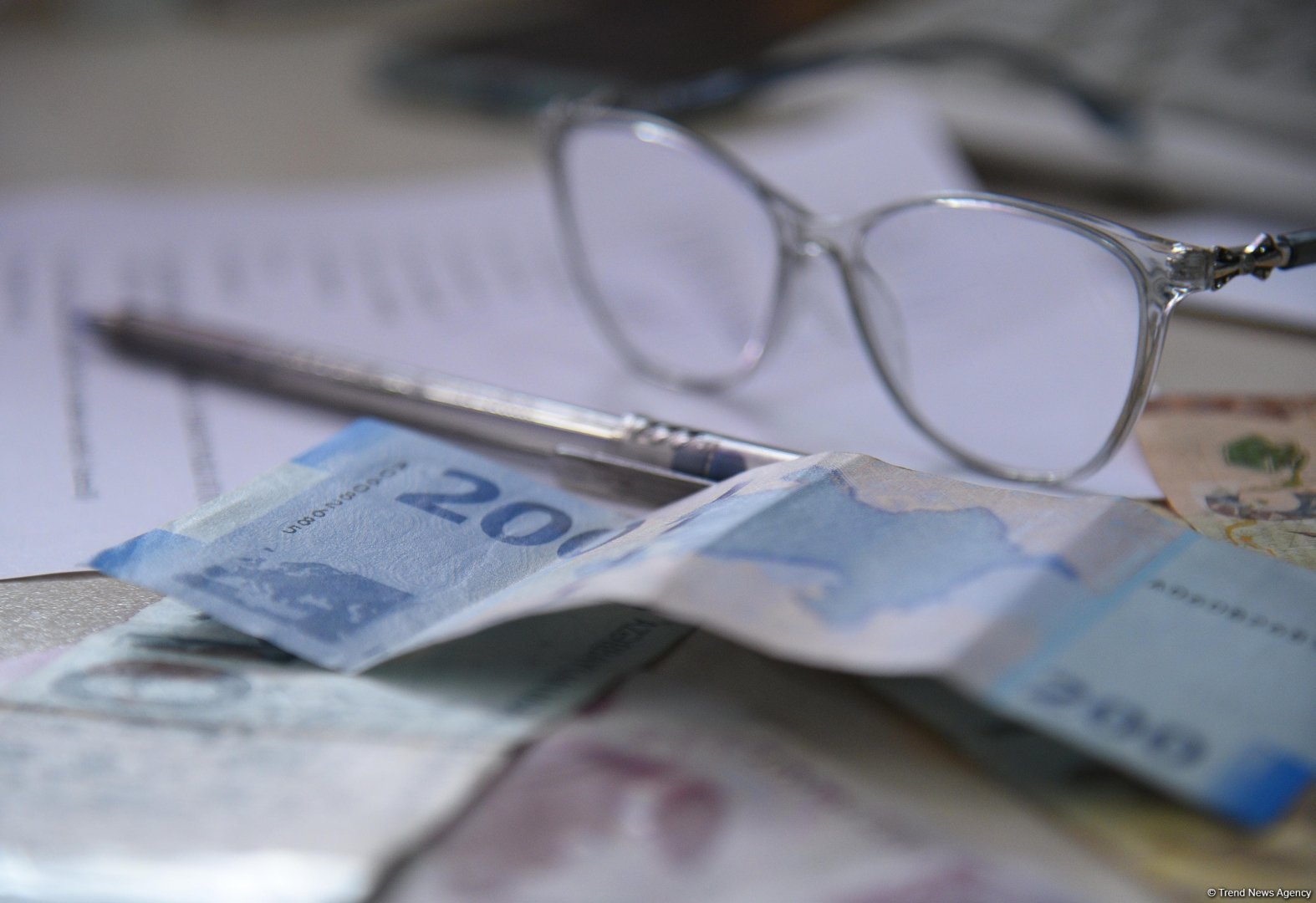
Deposits held in the national currency have continued to dominate Azerbaijan’s banking sector, significantly exceeding foreign currency savings, according to data from the Central Bank of Azerbaijan (CBA).
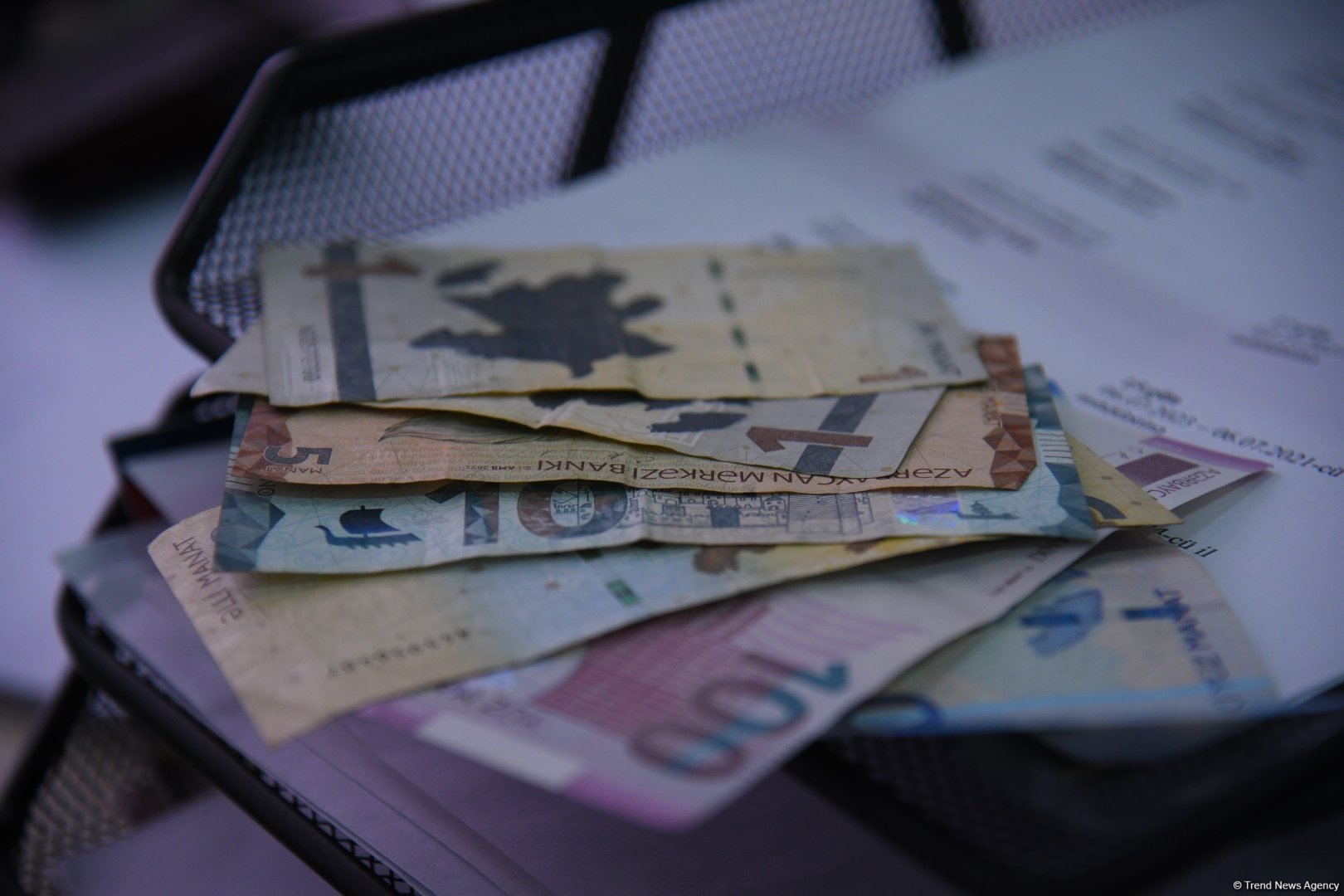
Azerbaijan has recorded an increase in money supply across all major monetary aggregates, according to the Central Bank of Azerbaijan (CBA).

In February 2026, Azerbaijan saw a decline in credit card transactions compared to the previous year. The latest data from the Central Bank reveals a decrease in both the number of transactions and their total volume.
The amount of Azerbaijani payment cards in circulation rose from the previous month and year as of the end of February 2026. Despite a little drop in the use of credit cards, debit cards experienced growth.

The Azerbaijan Interbank Rate (AZIR) decreased in March 2026, following a similar decline in February. This adjustment is part of the Central Bank of Azerbaijan’s strategy to stabilize financial markets and manage liquidity.
Azerbaijan's insurance sector showed a slight decline in overall premiums, though insurance payments saw a significant year-over-year increase, highlighting shifting trends in the market.
The dynamics in the foreign exchange market in Azerbaijan exhibited a consistent state throughout the previous timeframe of this year.