19:54
KazTransOil reports growth in oil transportation via CPC
KazTransOil reported increased oil transportation and transit volumes in the first quarter of 2026, including higher deliveries to the Caspian Pipeline Consortium system.

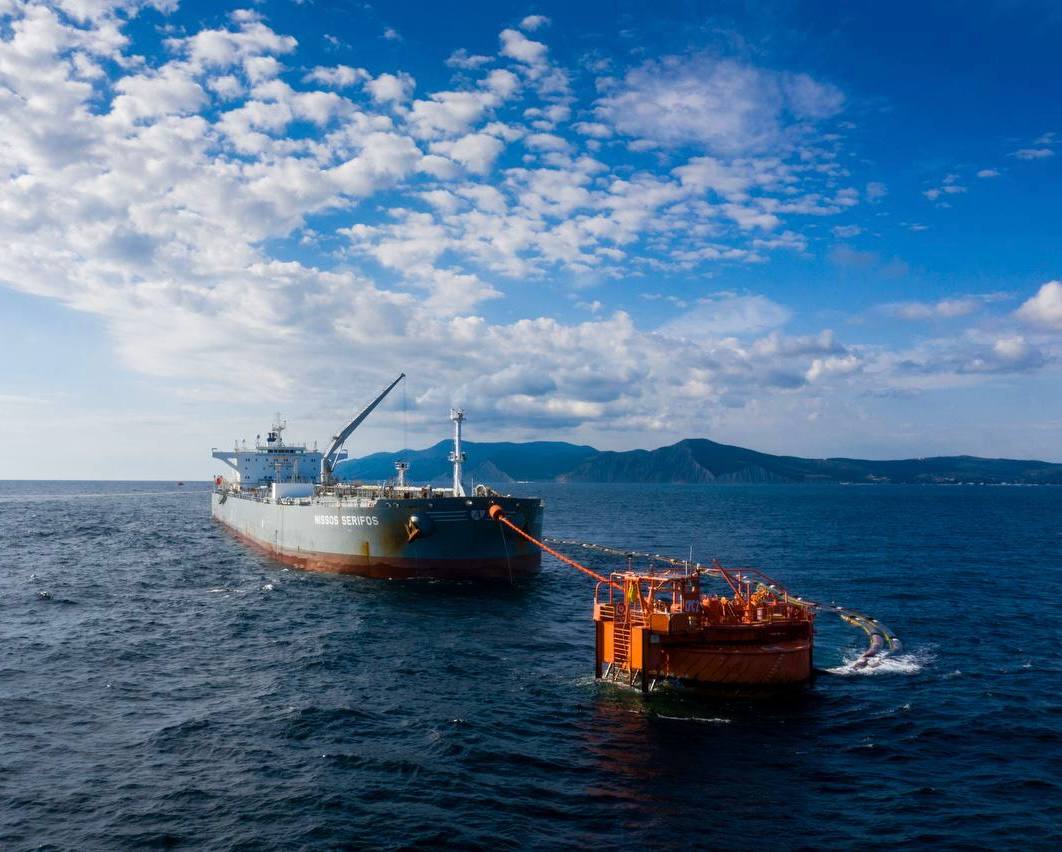
KazTransOil reported increased oil transportation and transit volumes in the first quarter of 2026, including higher deliveries to the Caspian Pipeline Consortium system.
Kazakhstan plans to increase the share of investments in GDP to 23% by 2029 in order to accelerate investment-driven economic growth.

Kazakhstan currently has three power units, 12 boilers, and five turbines under repair.
Since the beginning of 2025, investment inflows through the AIFC reached $7.2 billion.
Kazakhstan’s Jetisu region continues to attract strong investment inflows while advancing agricultural, industrial, and infrastructure development projects.
Kazakhstan recorded an increase in outbound money transfers to Russia via international money transfer systems in February 2026, with both transaction volume and total value showing month-on-month growth.
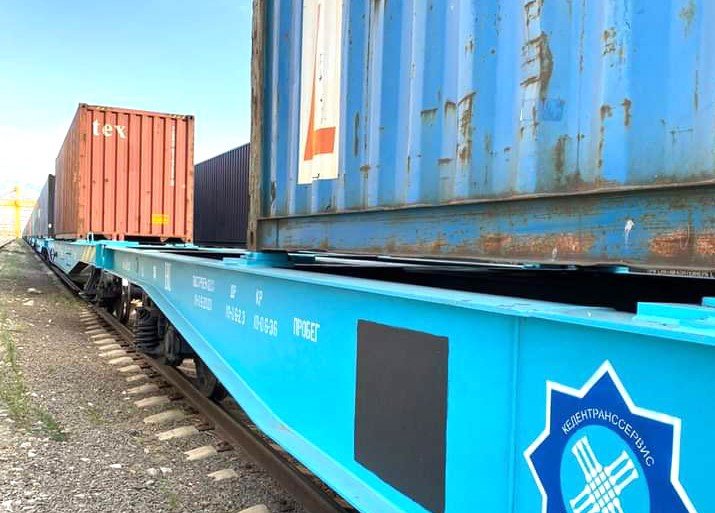
The increase in freight volumes was supported by rail and road transport, whereas pipeline and maritime segments showed weaker performance.

Karachaganak gas processing plant, with a capacity of up to 5 billion cubic meters of gas per year, is a key element of the country’s comprehensive gas industry development plan through 2029.
Kazakhstan recorded a significant increase in outbound money transfers via UPT in February 2026, with both transaction volumes and total value rising notably.
Outbound money transfers from Kazakhstan rose in February 2026, with Zolotaya Korona accounting for the majority of transactions.
Outbound money transfers from Kazakhstan through Western Union showed mixed performance in February 2026, with a slight rise in transaction numbers but a decline in total transfer value.
Kazakhstan’s economic growth is expected to moderate in the coming years, according to the Asian Development Bank, as oil production approaches its limits and overall activity stabilizes, while infrastructure development and manufacturing continue to support the economy.
Kazakhstan’s expanded Register of Domestic Manufacturers enhances transparency and streamlines procurement, fostering local industry growth and boosting e-government infrastructure.
Analysts note that despite the slowdown, growth rates will remain relatively high, and the positive output gap will persist.
World Bank has updated its forecasts for Kazakhstan’s economic growth in 2026.

Kazakhstan’s Interbank Clearing System (ICS) processed 12.5 million electronic payment messages in January-February 2026.
The total figure was almost entirely composed of debit cards. Credit cards remained at a minimal level, while debit cards with credit limits and prepaid cards recorded no units in circulation.

Kazakhstan and South Korea are advancing industrial cooperation through 46 joint projects worth about $3.9 billion, spanning sectors like automotive production, ferroalloys, and electronics. Officials highlighted opportunities in Alatau City and geological collaboration, with both sides expressing strong interest in expanding partnerships in industry, infrastructure, and resources.
In the first quarter of 2026, Kazakhstan recorded a growth in the revenues of the republican and local budgets.
Kazakhstan’s banks recorded a decline of 13.4% in net profit in February 2026.
Kazakhstan’s banking sector remained stable in early 2026, with total assets around $150 billion, strong liquidity, and continued growth in loans, particularly to households.

The decline was primarily driven by debit cards, which dropped to 13.71 million units from 14.52 million as of 1 March 2025.
Debit cards remain the most common, accounting for 81.5% of the total, while credit cards make up 15.5%. Debit cards with a credit limit and prepaid cards represent the remaining 3%.
The number of international system payment cards in circulation in Kazakhstan as of March 1, 2026, amounted to 56.85 million units.
The total number of payment cards in circulation in Kazakhstan reached 85 million units as of March 1, 2026.
In February 2026, transactions using payment cards issued by Kazakh banks reached 15.7 trillion tenge (approximately $33.4 billion), with a total of 1.1 billion transactions recorded.
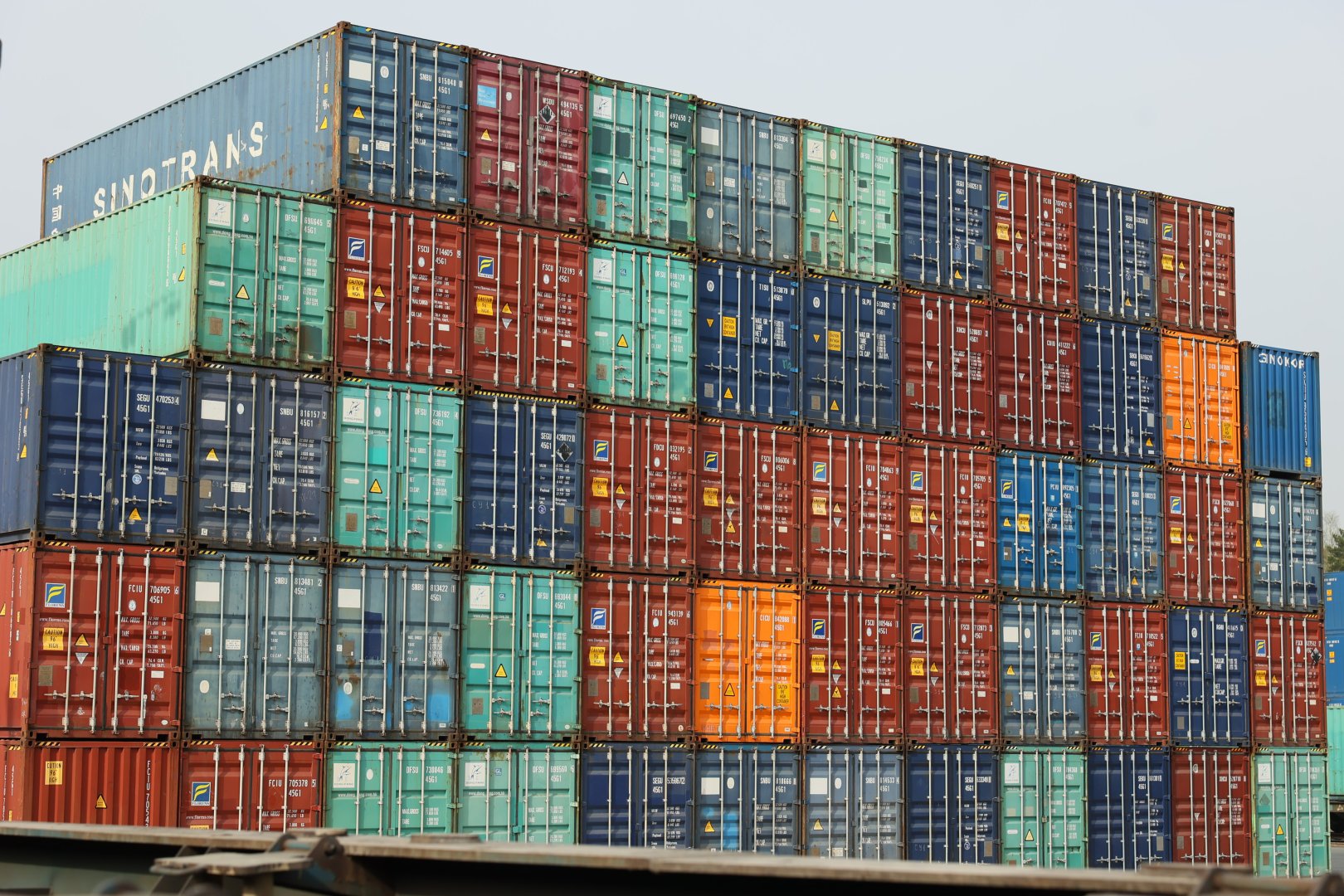
Kazakhstan’s Minister of Trade and Integration Arman Shakkaliyev said that cooperation with XUAR is a key element of Kazakhstan’s strategy to strengthen its role as a transit and logistics hub between China, Central Asia, and Europe.
The tenge strengthened by 3.9% in March, reaching 478.15 tenge per US dollar.
The Asian Development Bank (ADB) has approved a loan to Kazakhstan's Otbasy Bank to expand access to affordable housing finance for women and promote green mortgage products for low- and moderate-income households.
With a 4.7 percentage point increase, food and non-alcoholic beverages were the biggest contributors to yearly inflation.
The Eurasian Development Bank (EDB) has placed three-year US dollar-denominated bonds on the Kazakhstan Stock Exchange (KASE).
The Digital Initiatives Fund of the Eurasian Development Bank (EDB) has signed a memorandum of cooperation with Kazakhstan’s Ministry of Artificial Intelligence and Digital Development on the sidelines of the Digital Qazaqstan forum in Shymkent.
Dutch banking group ING forecasts the Kazakh tenge to average 510 per US dollar in the first quarter of 2026.
Dutch banking group ING forecasts that Kazakhstan’s inflation will reach 10.9% in 2026.
Kazakhstan's Astana recorded year-on-year growth in industrial production in January, driven by an increase in manufacturing, while the utilities and waste management sectors posted declines.

In 2025, Kazakhstan secured second place in sunflower oil exports to China.
Investment in the economy of the Turkestan region reached 1.7 trillion tenge (about $3.44 billion) in 2025.
The UPT money transfer system experienced a significant reduction in outbound transaction volume from Kazakhstan in January 2026.
Kazakhstan reported a noticeable contraction in outbound money transfers via MoneyGram in January 2026.
The volume of outbound remittances from Kazakhstan via Western Union declined in January 2026.
Cash withdrawal activity using MasterCard in Kazakhstan has seen a notable decline in January 2026.
The flow of inbound money transfers to Kazakhstan through Zolotaya Korona took a nosedive in early 2026.
The activity of cash withdrawals via Visa cards in Kazakhstan has experienced a downturn in both the frequency of transactions and the overall amount.
The volume and number of cashless transactions via Visa in Kazakhstan showed steady growth in early 2026.
Digital payment activity through UnionPay in Kazakhstan has taken a turn for the worse, marked by a drop in both the number of transactions and how often they occur.
In January 2026, Zolotaya Korona maintained its position as the leading money transfer system in Kazakhstan, though it saw a significant decrease in both volume and transaction count compared to December 2025.
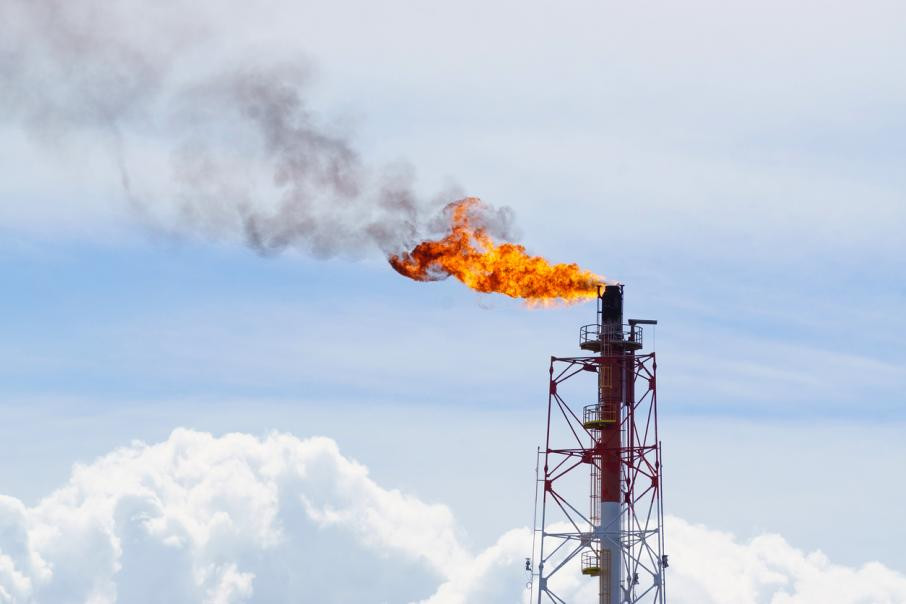
A total of 25 new promising blocks will be included in Kazakhstan’s gas exploration program in 2026.
The circulation of UnionPay cards in Kazakhstan has experienced a notable decline, largely due to a steep decrease in the issuance of debit cards.
The utilization of MasterCard cards in Kazakhstan has seen a downturn, primarily attributed to a decrease in debit card transactions.
Visa remains at the forefront of Kazakhstan’s payment card market. As of February 1, 2026, the tally of Visa cards in circulation in Kazakhstan hit a whopping 41.69 million cards.
Amid global energy price assumptions, ING has adjusted its CIS-4 outlook (Armenia, Azerbaijan, Kazakhstan, Uzbekistan).

3.9 million square meters of housing were commissioned in the country in the first quarter of 2026, which is 3.8% higher than a year earlier.
Kazakhstan’s Interbank Money Transfer System (ISMT) processed 5.5 million transactions totaling 247.3 trillion tenge ($520.3 billion) in January-February 2026.

Cargo transportation on Kazakhstan Temir Zholy’s network grew in the first quarter of 2026, with increases in coal, grain, metals, ores, and fertilizers supporting both domestic supply and exports.
The Kazakhstan Stock Exchange (KASE) has launched trading in new currency instruments on its foreign exchange market.

Automation of irrigation channels has started in southern regions of Kazakhstan.
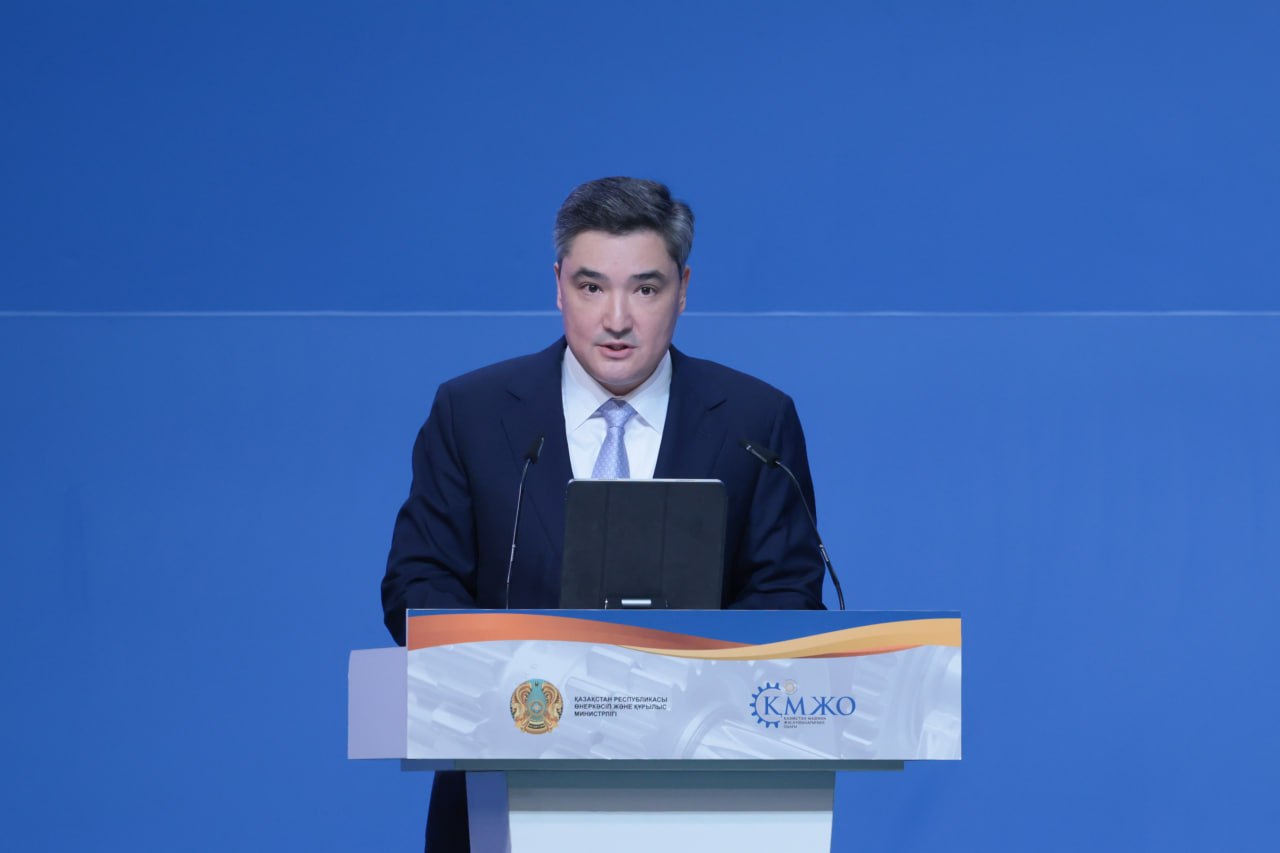
Last year, the machinery sector in Kazakhstan produced 5.7 trillion tenge ($12 billion) worth of goods.

Kazakhstan and China intend to build a metallurgical plant with a capacity of up to 3 million tons of steel per year
Kazakhstan is balancing potential gains from higher oil prices with risks linked to weaker global risk appetite and rising inflationary pressures amid heightened tensions in the Middle East, ING said.
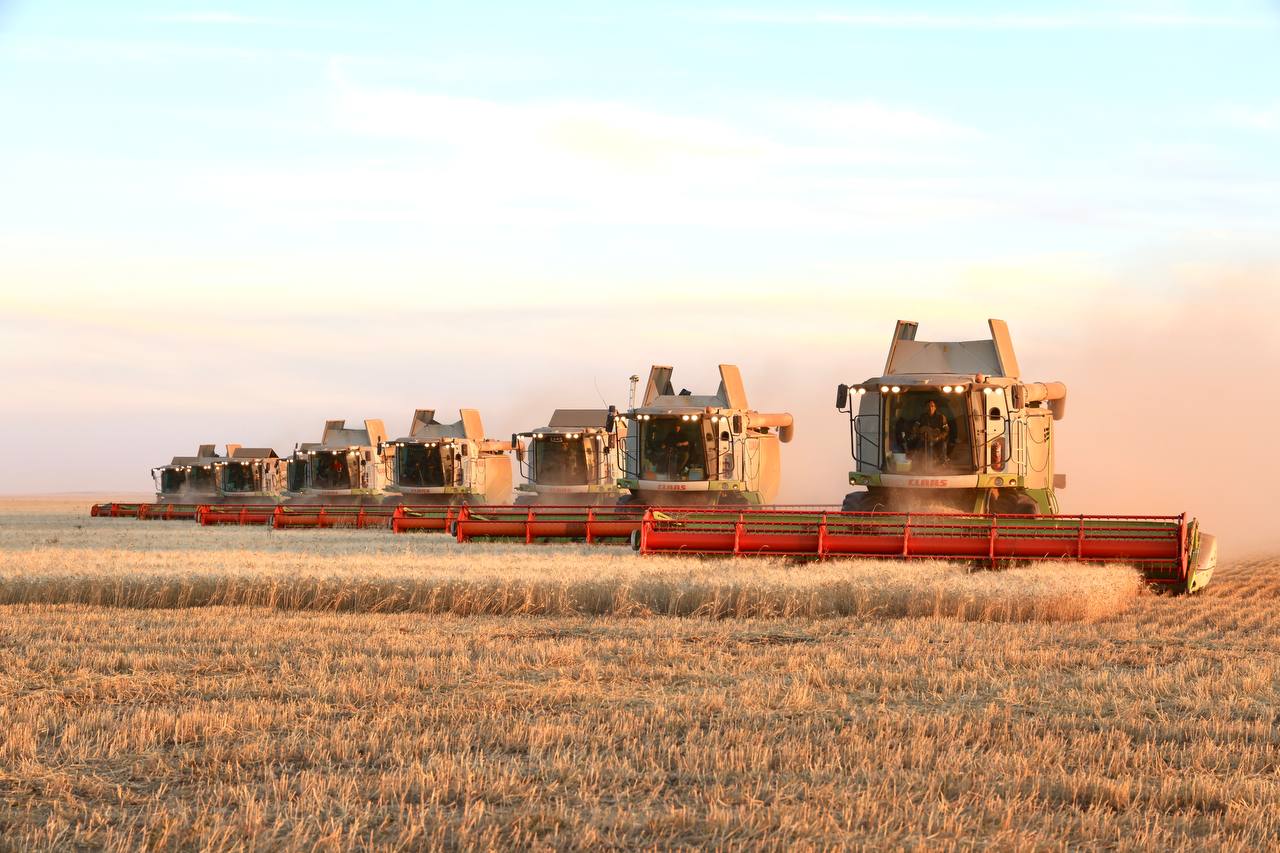
Kazakhstan exported 134,400 tons of barley in January 2026, down 6.5% (9,300 tons) compared to December.

A final investment decision (FID) on the GPP has not been reached by the project operators, Shell and Eni. In an effort to guarantee the nation's energy independence, the government has started developing its own GPP to handle Karachaganak gas.
Dutch banking group ING expects Kazakhstan to begin cutting its policy rate in the third and fourth quarters of 2026.
The majority of the portfolio is concentrated in sustainable infrastructure projects
In January 2026, Kazakhstan processed a total of 15,310 inbound money transfers through the Western Union.

Inbound remittances to Kazakhstan through the UPT system remained relatively stable in terms of total value during January 2026

KazTransOil, a subsidiary of KazMunayGas, reported an increase in tax payments to Kazakhstan’s state budget in the first quarter of 2026.
Kazakhstan’s key export structure includes crude oil and petroleum products as the dominant category, along with refined copper and copper alloys, copper ores and concentrates, ferroalloys, and wheat.
Kazakhstan’s foreign trade continued to show steady growth in the first two months of 2026, with both exports and imports increasing year-on-year.
Rail freight traffic between Kazakhstan and China is showing growth since the start of 2026.
Kazakhstan and Belarus reported an increase in trade turnover, reflecting strengthened economic cooperation between the two countries.
Around 9 million tons of cargo were transported by freight trains in transit through Kazakhstan in January-March 2026.

Kazakhstan plans to implement 11 infrastructure projects in the aviation sector by 2028.

Outbound money transfers from Kazakhstan via MoneyGram increased in February 2026.
Outbound money transfers from Kazakhstan increased in February 2026, both in volume and value. Russia remained the top destination, followed by T
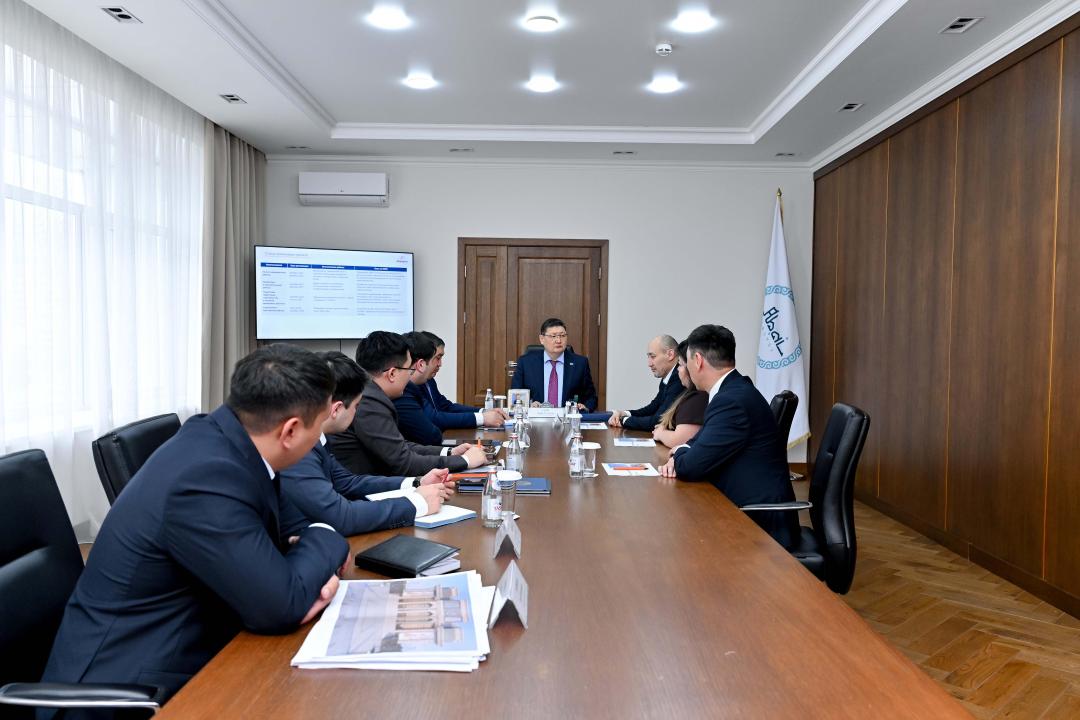
Kazakh company Aidarly Mining plans to build a mining and processing complex at the Aidarly deposit located in the Ayagoz district of the Abai region.