16:35
Kazakhstan’s investments in fixed capital increase in 2025
Industry accounted for the largest share of fixed capital investment at 39.8 percent, including mining and quarrying (14.1 percent) and manufacturing (12.3 percent).

Industry accounted for the largest share of fixed capital investment at 39.8 percent, including mining and quarrying (14.1 percent) and manufacturing (12.3 percent).
Over the past decade, Kazakhstan has seen steady growth in the number of registered legal entities, with an average annual increase of 4.1%.

KazTransOil increased by 4% oil transportation through the Kazakhstan-China Pipeline LLP's system in 2025.
Analysts have revised Kazakhstan's GDP growth forecast for 2026, reducing it from 4.9% to 4.8%.

According to survey conducted by the National Bank of Kazakhstan, analysts have revised Kazakhstan's inflation expectations for 2026 from 10% to 10.8%.
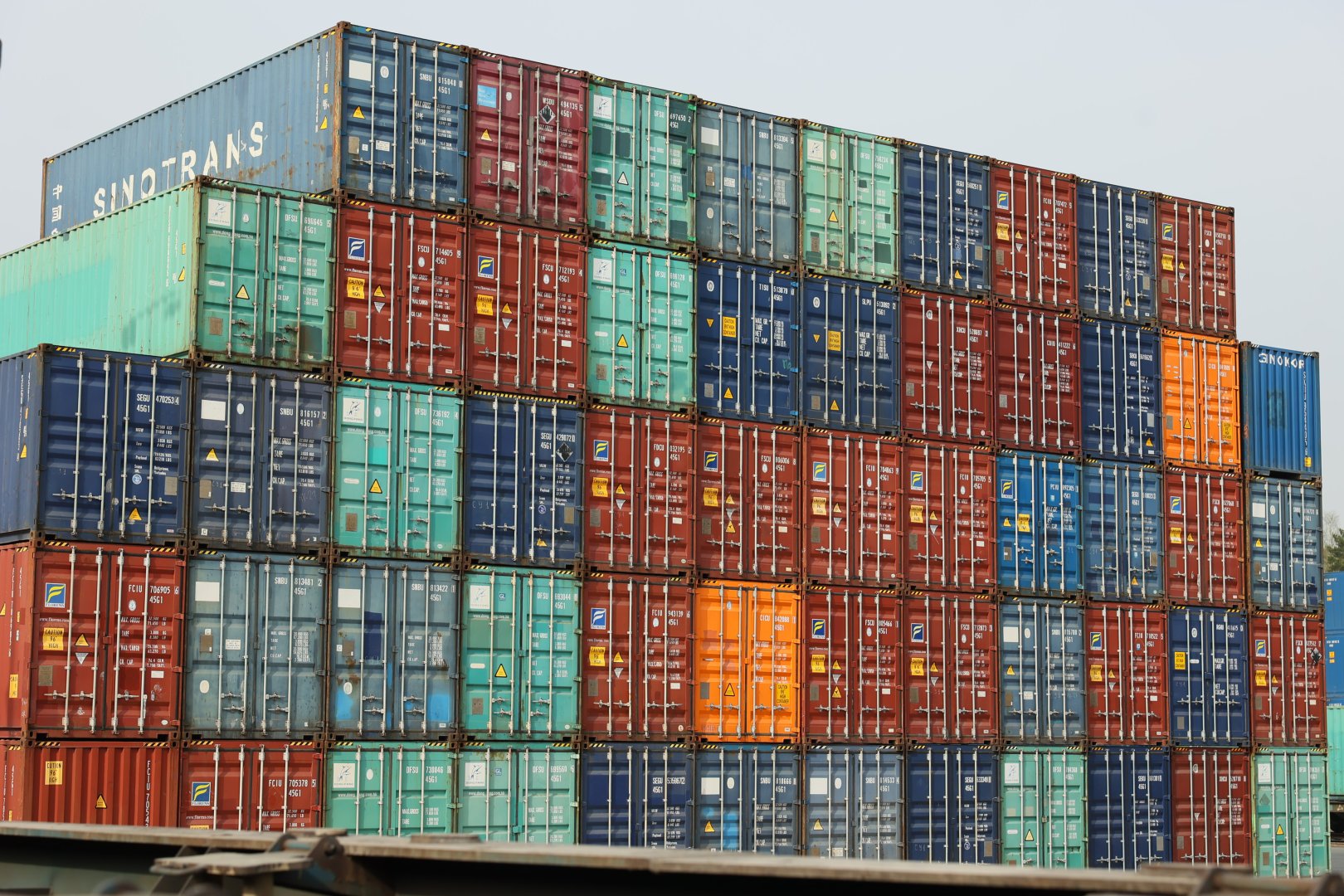
Kazakhstan's foreign trade turnover for January-November 2025 reached $128.8 billion.
The General Plan for Alatau city has been adjusted, sectoral engineering network schemes, detailed planning projects, and an Infrastructure Development Roadmap have been approved.
A record 53,128 property transactions were registered in December 2025, marking the highest figure in the past three years.
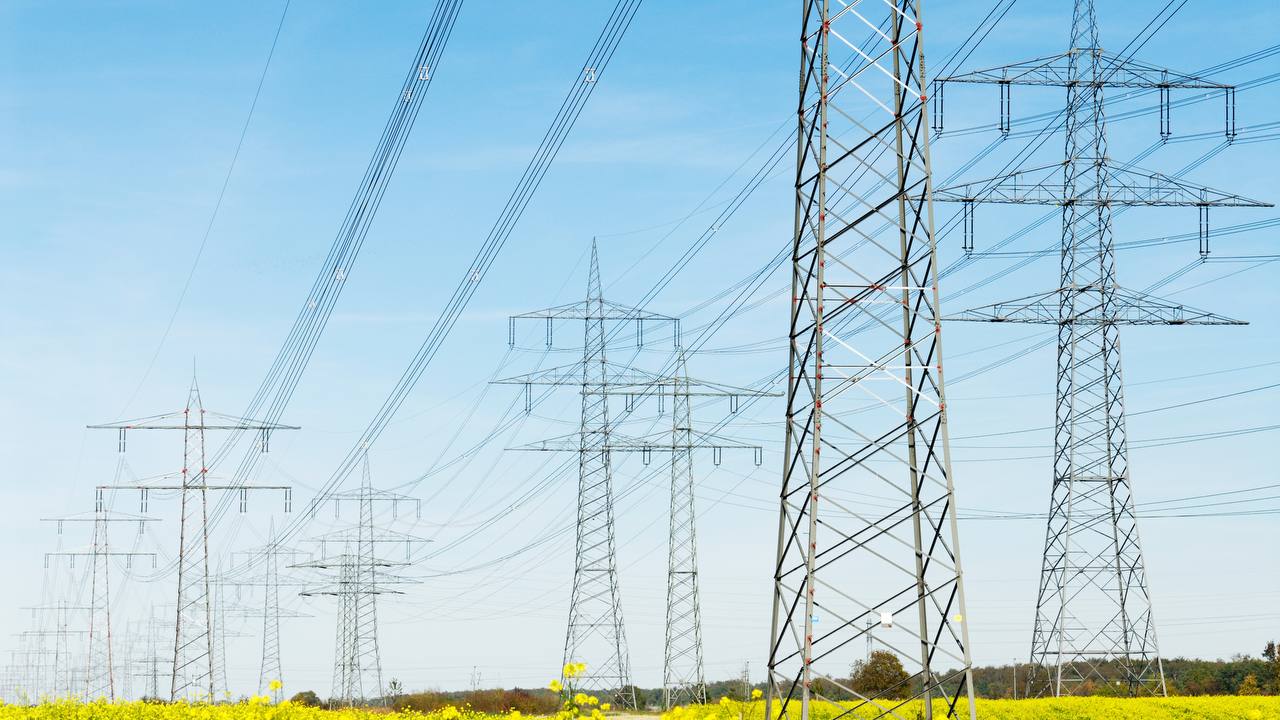
Kazakhstan is set to introduce approximately 2.6 GW of new power generation capacity in 2026.

Kazakhstan's freight transportation expected to reach 305.3 million tons from January through March 2026.
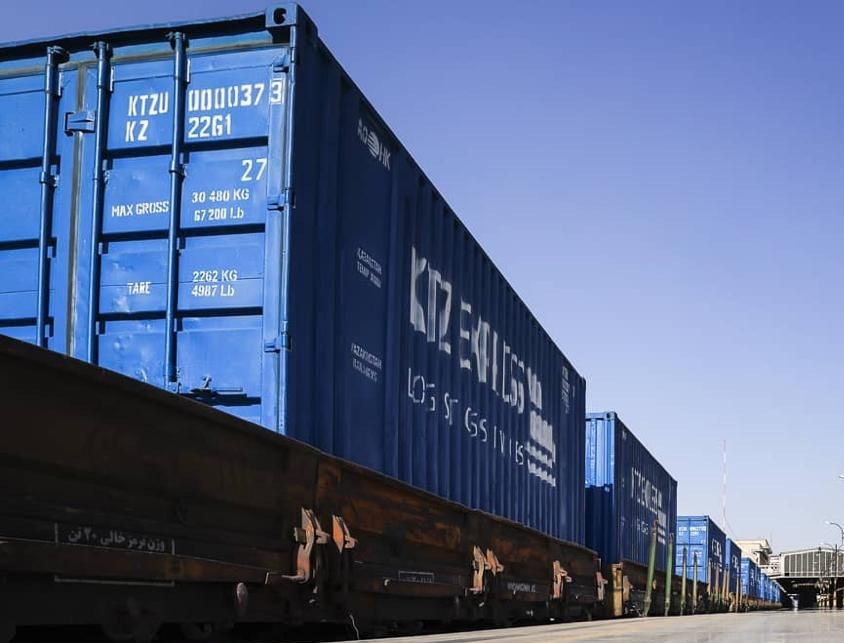
Kyrgyzstan imported 20,369 tons of brown coal (lignite) from Kazakhstan from January through October 2025.
The industrial production in Taldykorgan city, in Kazakhstan’s Zhetysu region, has reached 166.4 billion tenge (approximately $325.6 million).
Dutch banking group ING forecasts that inflation in Kazakhstan will increase in 2026, with a notable drop expected in 2027.
The UN expects Kazakhstan's inflation to rise to 9.9% in 2026. Kazakhstan's Bureau of National Statistics reports that annual inflation in 2025 was 12.3%.

Kazakhstan produced approximately 59,400 tons of finished fish products in the first 11 months of 2025.
In November 2025, a total of 6,250 inbound money transactions to Kazakhstan from the U.S. were processed through international money transfer systems (IMTS).
In November 2025, a total of 138,150 transactions were sent abroad from Kazakhstan through the Single Money Transfer System (SMTS)
In November 2025, Kazakhstan saw a decrease in both the number and total value of money transfers sent to Kyrgyzstan compared to October.
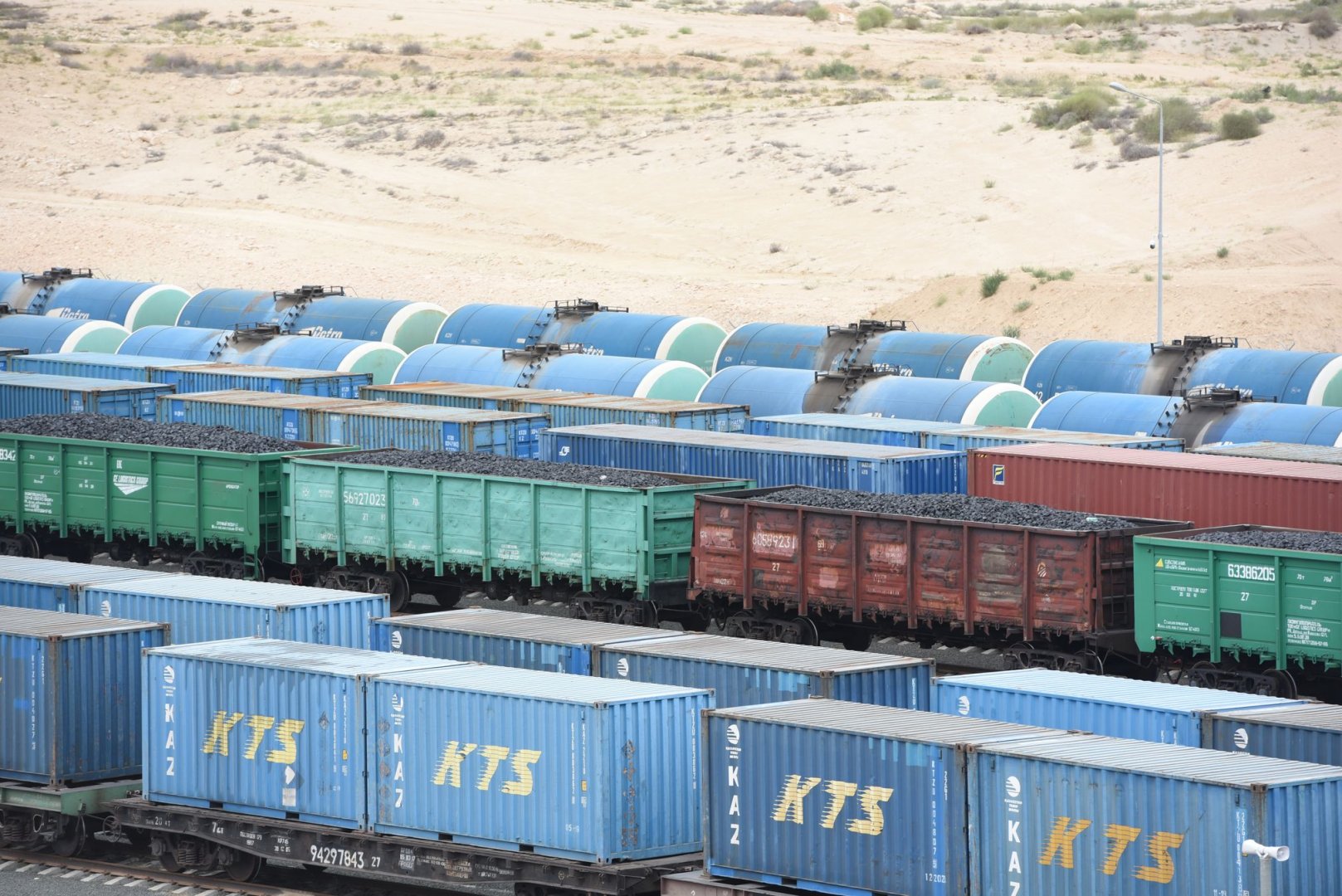
Kazakhstan plans to receive a significant number of locomotives, freight cars, and modern passenger cars in 2026, alongside rail infrastructure upgrades.
In November 2025, Kazakhstan sent fewer money transfers to Georgia, with both the number and total value decreasing compared to October.
A total of 90,460 money transfers were sent from Kazakhstan to Russia in November 2025.
Money transfers from Kazakhstan to China decreased in November 2025, both in number and value, compared to the previous month.
Kazakhstan is set to build a new pet food factory in the Almaty region. Prime Minister Olzhas Bektanov has signed a decree approving the project.

In the Sarysu district of Zhambyl region, preparations are underway for the construction of the largest chemical complex for mineral fertilizer production in Kazakhstan.
Australian oil and gas company Jupiter Energy Limited has completed the construction of a gas pipeline from the West Zhetybai oilfield in Kazakhstan.
As of the first half of 2025, Georgia has become the third-largest recipient of investments from Kazakhstan.
Uzbekistan ranks second in terms of foreign direct investment (FDI) from Kazakhstan as of the end of June 2025
Russia continues to be the largest destination for Kazakhstan's investments as of the first half of 2025.
In October 2025, a total of 137,940 outbound money transactions from Kazakhstan were processed through Zolotaya Korona.
ING Group has warned that the upcoming VAT rate hike from 12% to 16% in 2026, combined with other economic factors, could lead to a significant rise in consumer price inflation (CPI) in Kazakhstan.

Kazakhstan's accommodation sector has seen a whopping 7.8 million people checking in at various establishments from January through September 2025.
Kazakhstan has allocated 1.8 billion tenge ($3.57 million) from its reserve fund to modernize the water supply infrastructure in the city of Zhezkazgan in Ulytau region.
The Eurasian Development Bank (EDB) and Eurasian Logistics Park (ELP) have launched one of Kazakhstan’s largest international-class A warehouse complexes.

As of November 1, 2025, the total number of MasterCard cards in circulation in Kazakhstan reached 15.02 million.
As of October 1, 2025, Kazakhstan's POS terminal network grew by 7.1%, driven by retail sector expansion, while its ATM network saw a modest 1.1% increase.
As of November 1, 2025, the total number of UnionPay International (UPI) cards in circulation in Kazakhstan decreased by 30.3% year-on-year.
UnionPay processed 14.589 million cashless transactions in Kazakhstan from January through October 2025, with a total volume of 286.807 billion tenge ($559.6 million).
In October 2025, Kazakhstan’s payment card transactions reached a total volume of 19 tenge ($37.1 billion), with 1.3 billion transactions processed.
As of October 2025, the number of payment cards in circulation in Kazakhstan reached 84.2 million, marking a 1.4% increase from September.

Direct investments from Switzerland into Kazakhstan increased by 34.2% in the first half of 2025, reaching $568 million.
The volume of retail trade across all channels of realization in Kazakhstan totaled 20.04 trillion tenge ($38.641 billion) in January-October 2025.
KazMunayGas (KMG) generated revenues of $13.565 billion from January through September 2025.
Investment in fixed capital in Kazakhstan reached 15.96 trillion tenge ($30.763 billion) for the period of January-October 2025.
ING Group forecasts that the National Bank of Kazakhstan will keep its base rate unchanged at 18 percent at its meeting on 28 November.
The International Monetary Fund (IMF) expects Kazakhstan's real GDP growth to reach just above 6 percent in 2025.
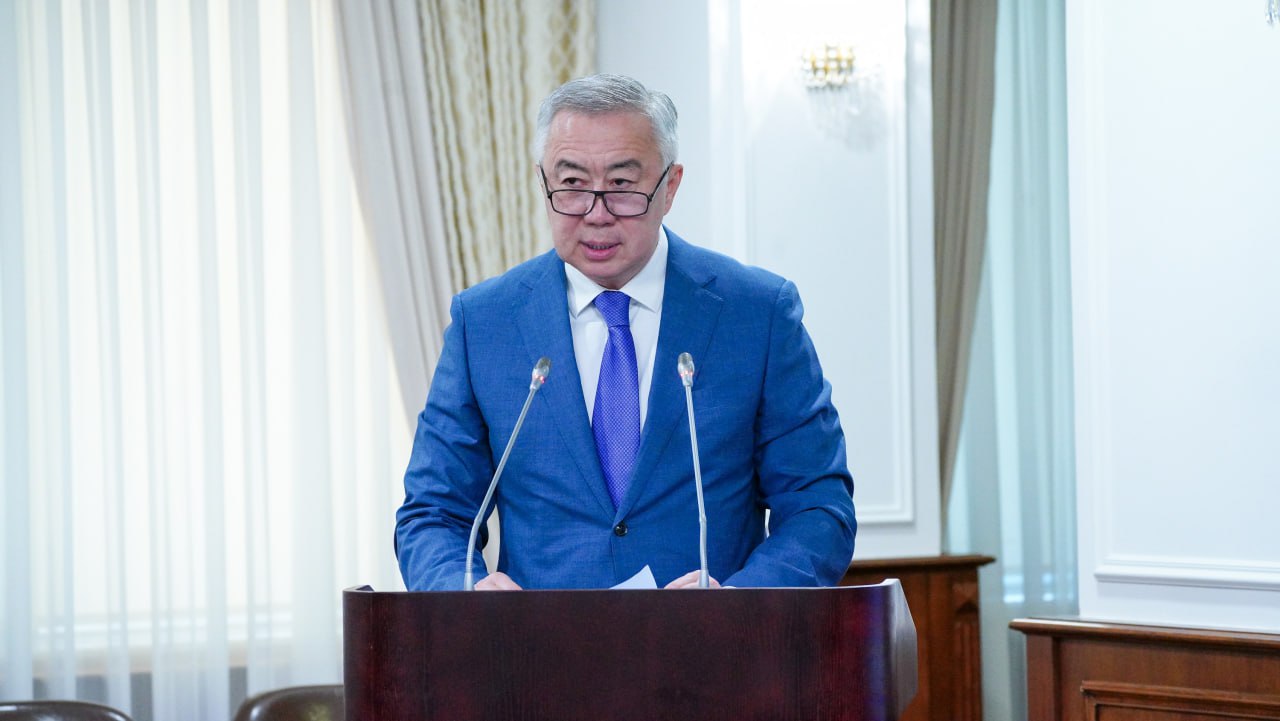
Kazakhstan is planning to reduce the dependence of regional budgets on the central government.
A total of 1,560 money transfers were sent from Kazakhstan to China via International Money Transfer Systems (IMTS) in September 2025.
A total of 3,850 money transfers were sent from Kazakhstan to Kyrgyzstan via International Money Transfer Systems (IMTS) in September 2025.

The aggregate output of agrarian commodities in Kazakhstan experienced a 5.4 percent uptick from January through October 2025 relative to the corresponding timeframe in the previous fiscal year.
In September, a total of 9,280 outbound money transactions from Kazakhstan were processed through Western Union, which is a 1.59 percent decrease compared to 9,430 transactions in August.
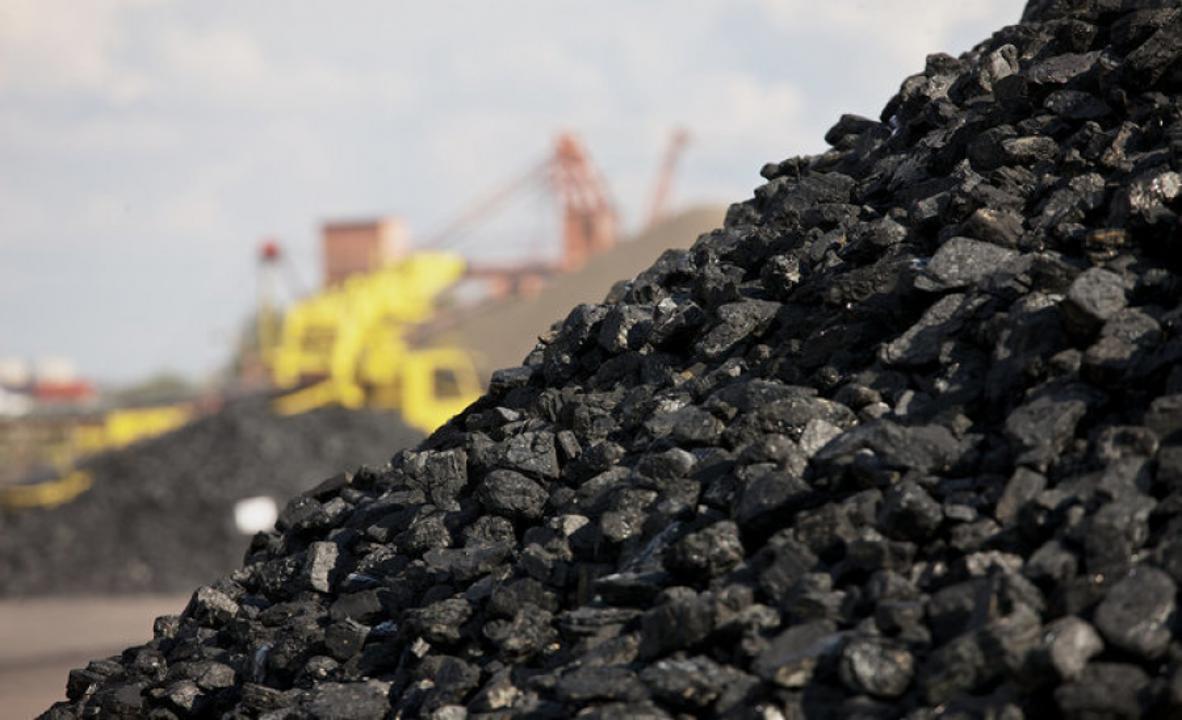
Kazakhstan’s Ministry of Energy has presented a draft National Plan for the development of coal-fired power generation through 2030, which envisages the construction and modernization of 7.6 GW of capacity.
Kazakhstan processed a total of 16,320 outbound money transfers to T
The number of active payment cards in Kazakhstan as of January 1, 2026, rose by 3.4% year-on-year.

The European Bank for Reconstruction and Development (EBRD) maintained an active investment portfolio in Kazakhstan totaling 2.736 billion euros, as of December 31, 2025.

Kazakhstan exported 6.266 billion cubic meters of natural gas in gaseous state to Russia from January through November 2025.

Kazakhstan's significant mineral reserves and growing capacity to supply critical minerals position it as a key player in strengthening global supply chains, particularly for industries reliant on these essential resources.
The National Bank of Kazakhstan is expected to sell between $350 million and $450 million in foreign currency from the National Fund in February.
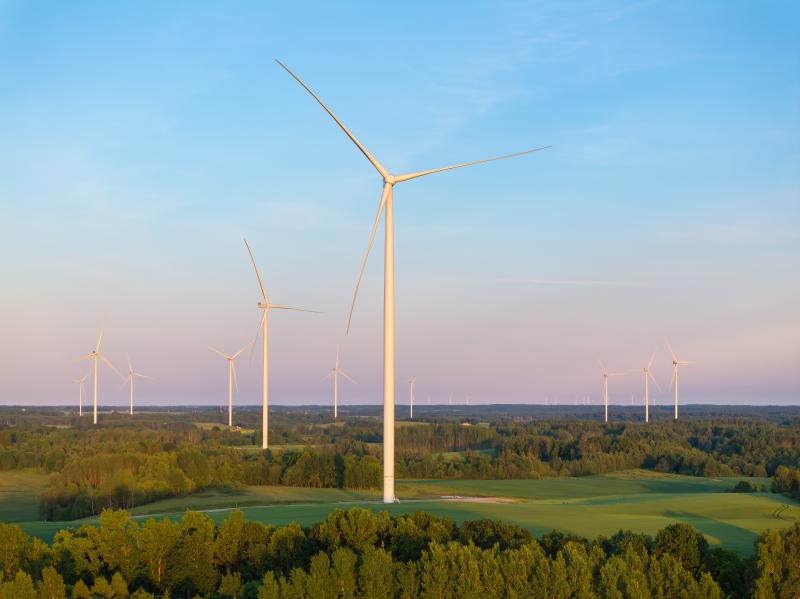
The total installed capacity of wind power plants in Kazakhstan reached 1.908 billion MW.

Kazakhstan exported 2.476 million tons of crude oil and petroleum products derived from bituminous minerals to Spain in January-November 2025.
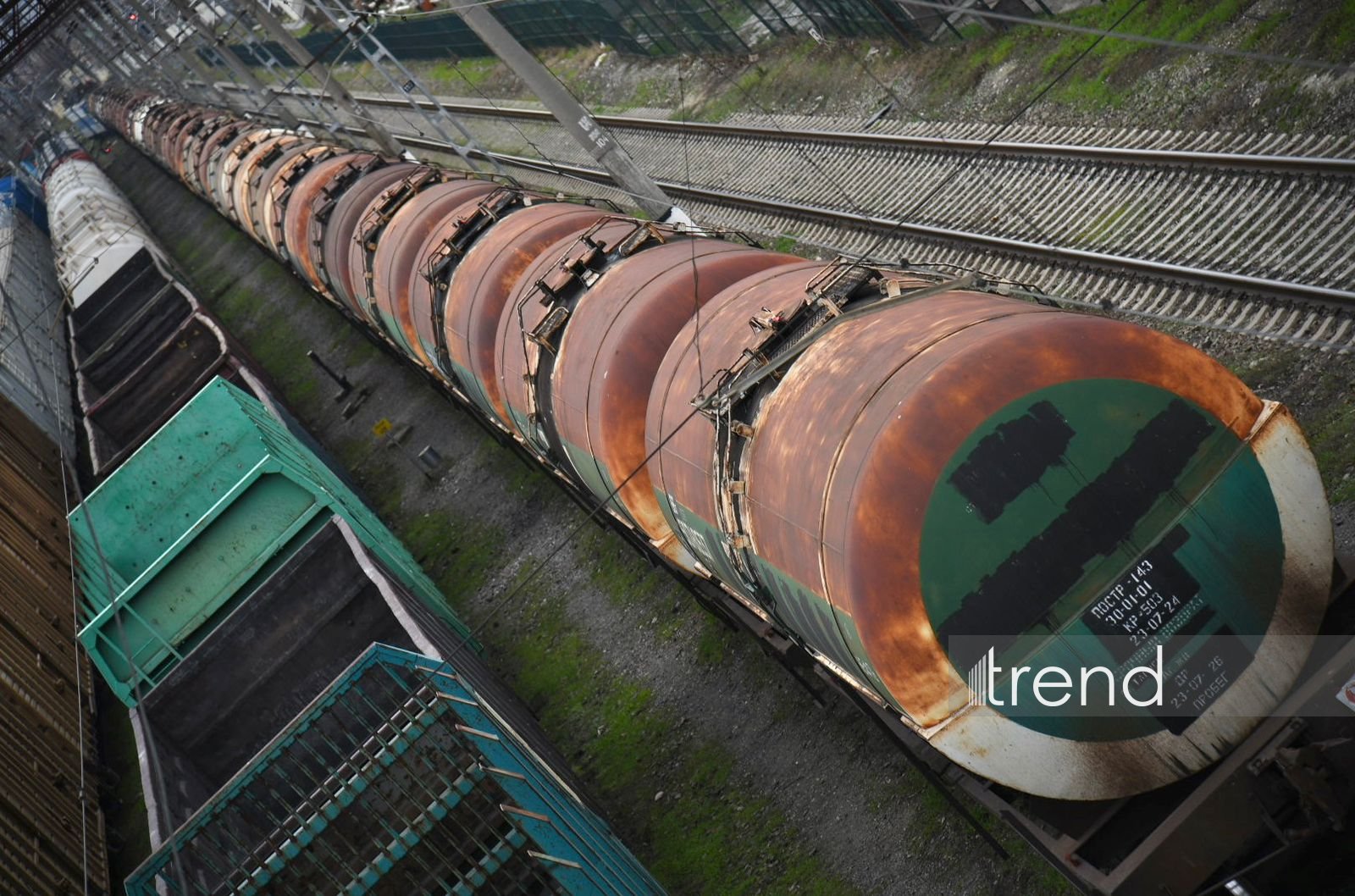
. Kazakhstan exported 3.975 million tons of crude oil and petroleum products derived from bituminous minerals to Greece in January-November 2025.
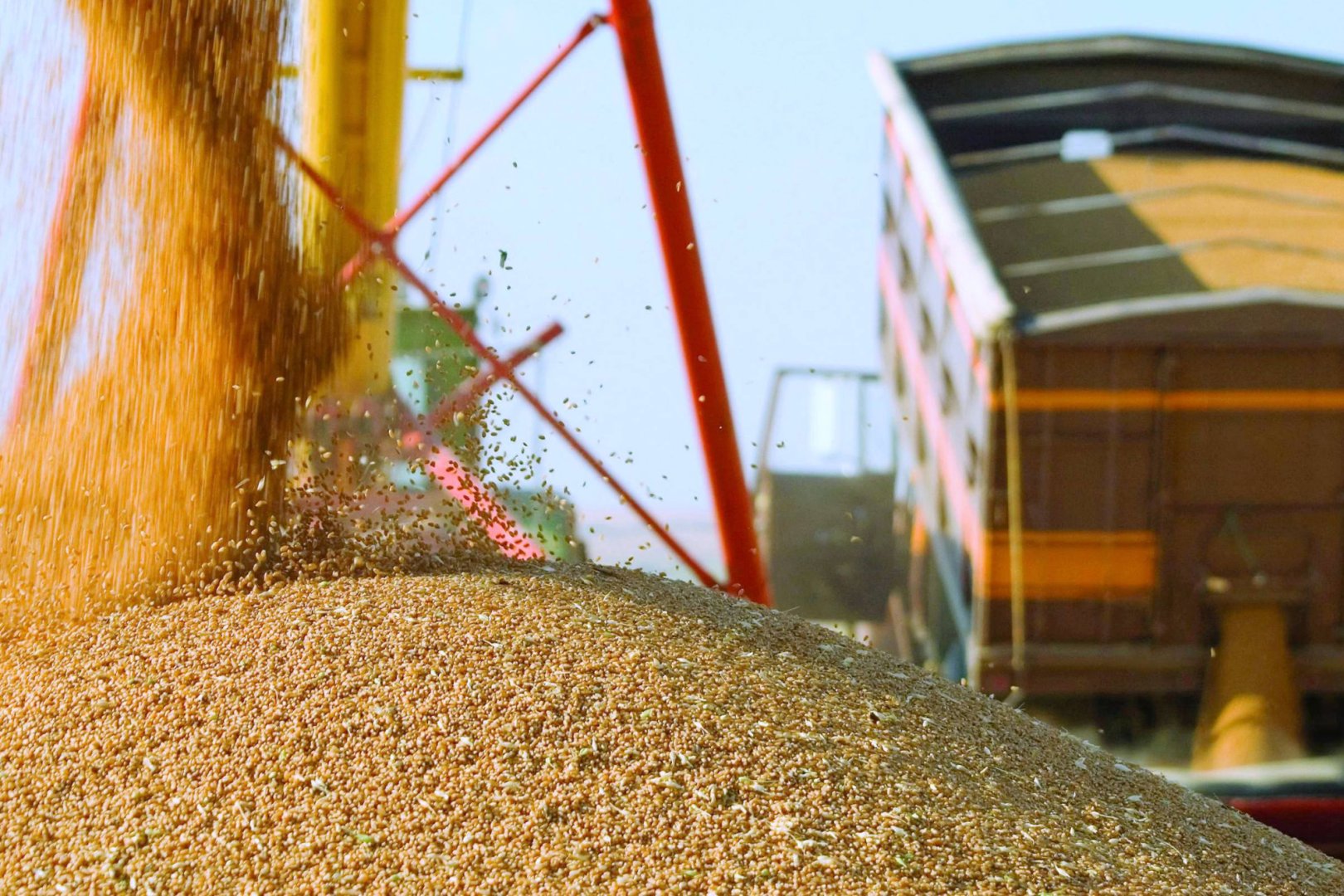
In 2025, the volume of grain shipments by Kazakhstan Temir Zholy national company (KTZ) to Uzbekistan rose by 32% compared to 2024.
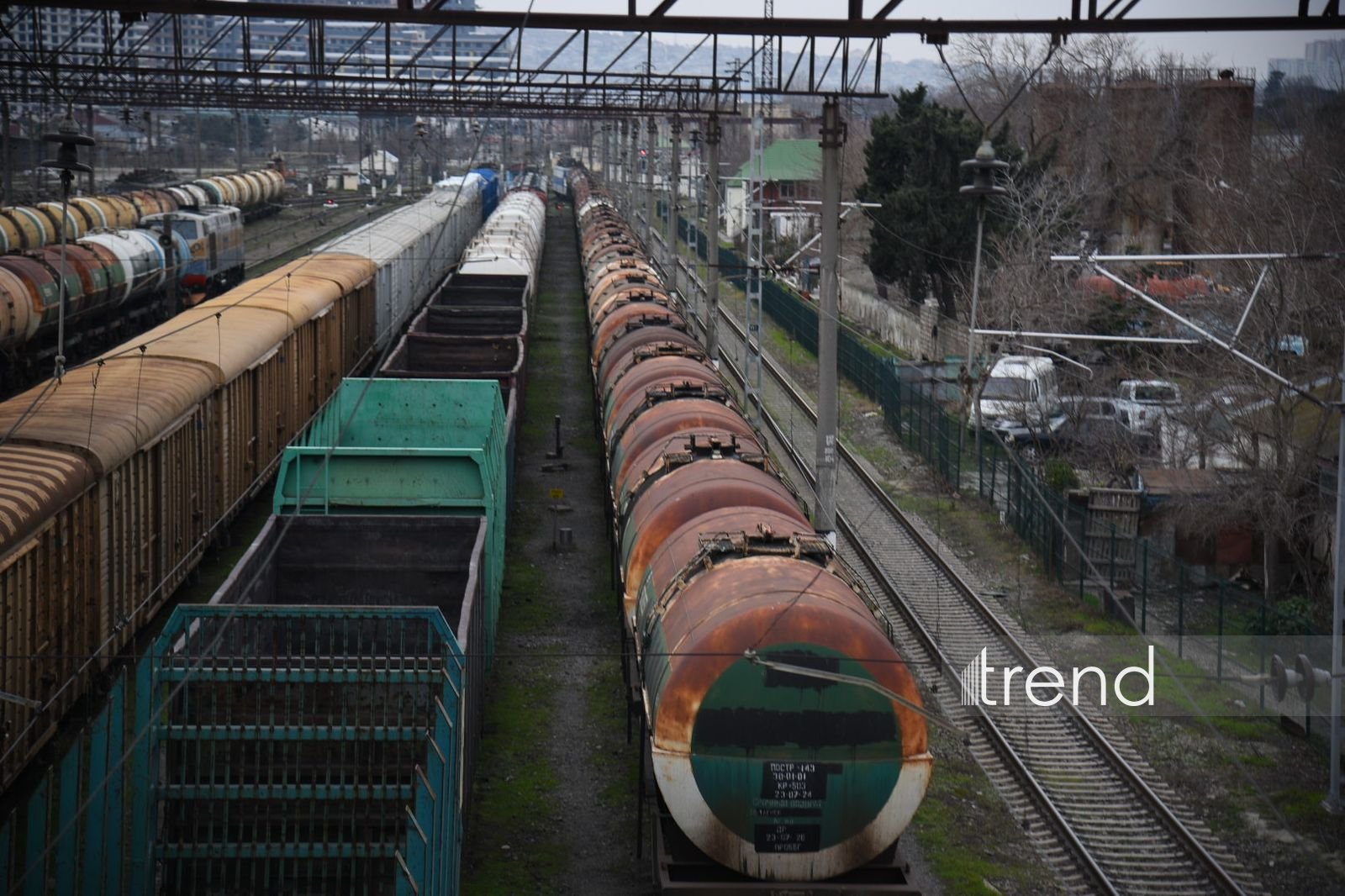
Kazakhstan exported 26.269 million tons of crude oil and petroleum products derived from bituminous minerals to Italy in January-November 2025.

In 2025, KazTransOil saw a slight decline in oil transshipment via the Atasu-Alashankou pipeline compared to the previous year.
KazTransOil (KTO) maintained its oil transport levels through the Tuimazy-Omsk-Novosibirsk-2 (TON-2) pipeline section in Kazakhstan, matching the volumes of 2024.
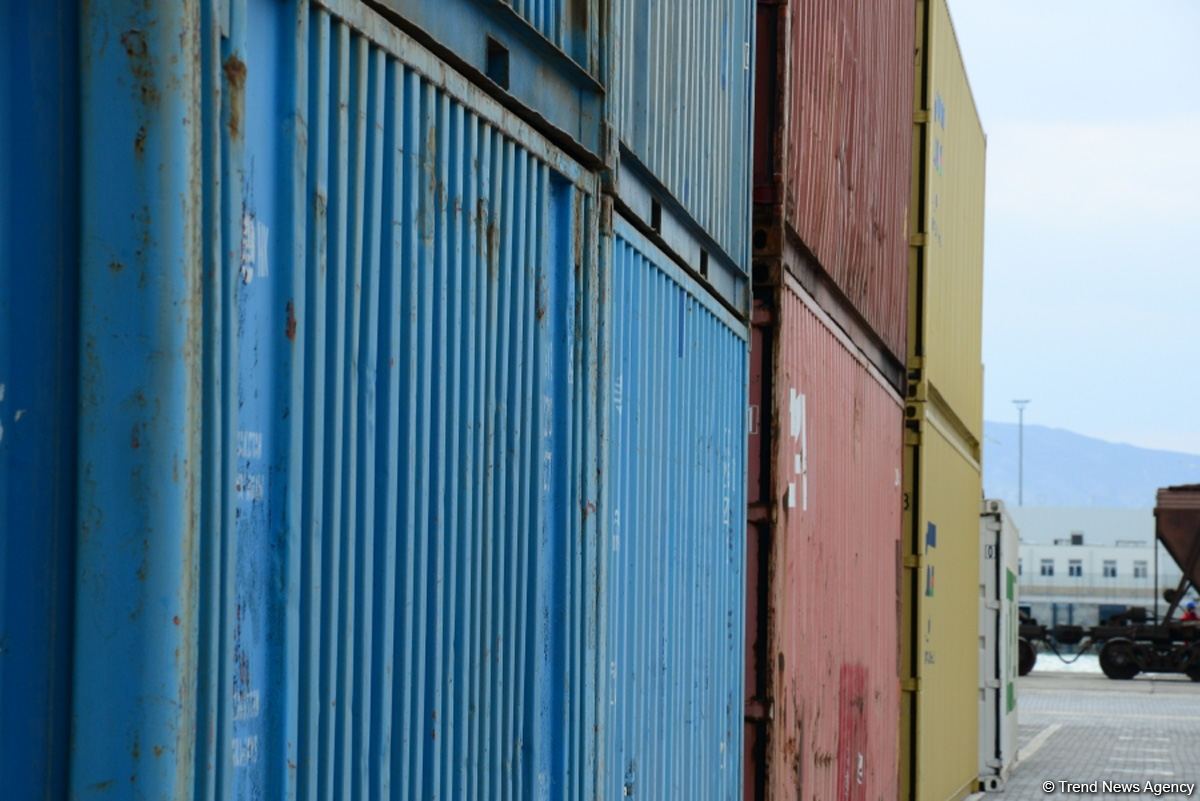
Kazakhstan's foreign trade turnover with EAEU countries decreased slightly in 2025, with exports declining and imports rising.
Dutch ING Group expects Kazakhstan’s GDP growth to reach 5% in 2026.

The initiatives are aimed at expanding agricultural production, strengthening regional food security, and creating new jobs.
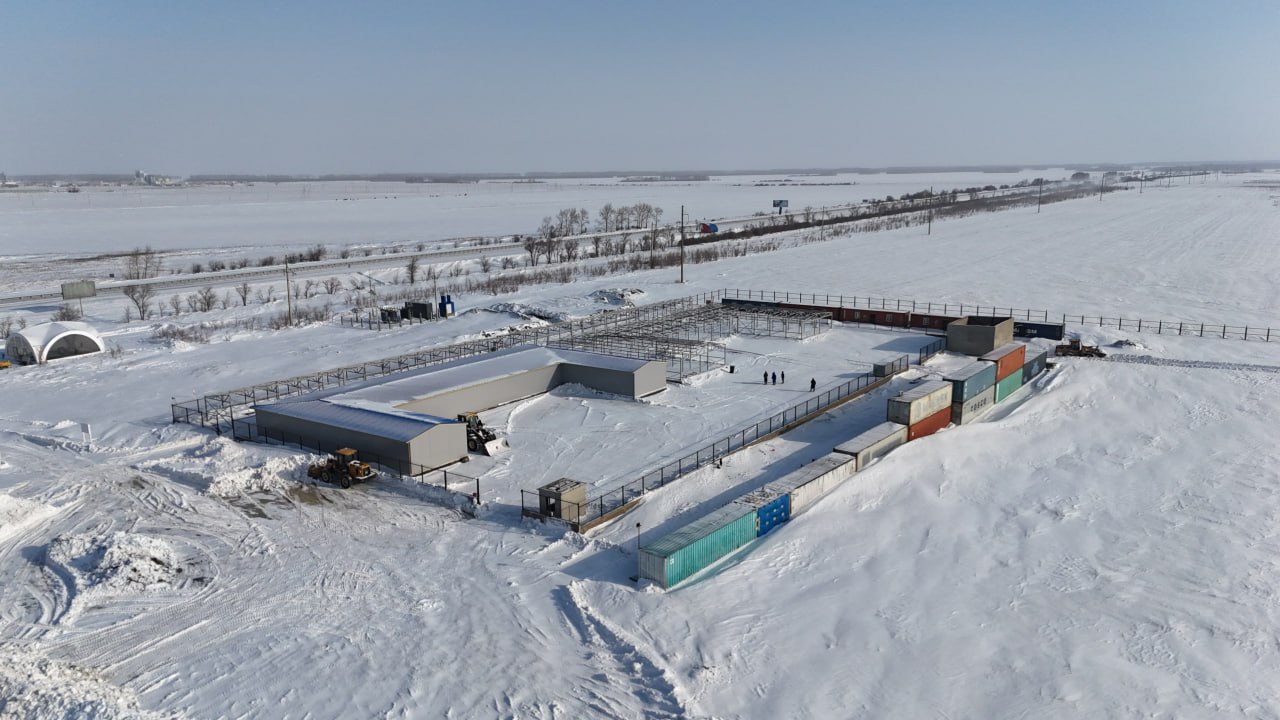
Initial construction work on the new combined heat and power plant in Kokshetau, including installation of a power transformer and temporary roads, has been completed
While the overall number of MasterCard cards in circulation in Kazakhstan has decreased, the credit card segment is experiencing substantial growth.
Kazakhstan sold foreign currency from its National Fund to support budget transfers, while the tenge strengthened and trading activity on the Kazakhstan Stock Exchange increased.
In 2025, Kazakhstan significantly increased crude oil and petroleum products derived from bituminous minerals shipments to the Netherlands, with exports reaching over 10 million tons.
Kazakhstan's exports of crude oil and bituminous petroleum products to Italy in 2025 declined 6 % compared to 2024.
In the fourth quarter of 2025, Kazakhstan processed a total of 57.3 million transactions using electronic money issued by domestic issuers.

Kazakhstan is strengthening financial mechanisms to boost domestic production and curb import dependence.
The government intends to directly shape and launch priority investment projects in key sectors of the economy.