18:53
Turkmenistan’s oil consumption growth picks up pace – Eni
The report highlights a consistent rise in oil demand, with the most notable increase occurring between 2017 and 2018. Since then, consumption has remained relatively stable.

The report highlights a consistent rise in oil demand, with the most notable increase occurring between 2017 and 2018. Since then, consumption has remained relatively stable.
The materials will be used by municipal services associations and housing maintenance trusts for infrastructure upgrades. Tender proposals will be accepted until August 28, 2025, between 09:00 and 18:00 local time.
Azerbaijan’s spending on plastic imports rose by nearly nine percent in the first half of the year, reaching about $275 million as import volumes increased by five percent. This growth comes amid a broader expansion in foreign trade, with total trade turnover surpassing $24 billion despite a slight drop in exports.
Iran’s imports fell by around 14% in value and 3% in volume during the first four months of the current Iranian year, compared to the same period last year. The country imported roughly $18 billion worth of essential goods, mainly from the UAE, China, and other key partners.

Family businesses are gaining momentum in Uzbekistan, with steady growth across trade, industry, services, and agriculture. New data shows a continued rise in entrepreneurial activity, reflecting broader support for small business development.
Iran has procured nearly 7 million tons of wheat worth $2.51 billion from farmers under its guaranteed purchase program, supporting agricultural stability and food security. With extensive cultivation across key provinces and fixed prices for bread and durum wheat, the program aims to ensure fair income for farmers and steady supply for the market.
Iran’s banks significantly increased loan support to startups, with a 57.9% rise in loan volume during the first quarter of the Iranian year 2025 compared to the previous year. This surge, driven primarily by non-state banks, reflects growing financial backing for the country’s startup ecosystem, totaling nearly $7 billion in loans over the past year.
Socar Polymer’s export revenues increased by over 12 percent in the first half of the year, reaching approximately $130 million. This growth reflects the company's strengthened position within Azerbaijan’s state-owned enterprises driving the non-oil sector export performance.
As of July 1, 2025, Azerbaijani banks had issued 2. 69 billion manat ($1. 58 billion) in business loans to the industrial sector. This amount increased by 19. 9 million manat ($11. 7 million), or 0.

Turkmenistan’s Nebitgazduypliabatlayysh Trust has produced over 81,000 tons of additional oil so far in 2025 — 141 percent of its planned output — through an overhaul of 217 wells at key western oil fields.
Banks and non-bank lenders in Azerbaijan have increased their financing to the industry and manufacturing sectors, with total lending reaching nearly 1.6 billion manat by early July. Overall loan portfolios and overdue debts also rose year-on-year, reflecting both expanding credit activity and growing repayment challenges.

In the first five months of 2025, Azerbaijan imported 644,800 tons of crude oil and oil products from bituminous rocks, valued at $316. 5 million. Imports dropped by 97,500 tons and $99. 2 million compared to the same period in 2024.
In the first half of 2025, investments in fixed assets financed by the population of Uzbekistan reached 17.3 trillion soums ($1.44 billion), according to official data. This marked a notable share of total national investment activity, reflecting shifting trends in private capital contribution throughout recent quarters.
The European Commission confirmed that Turkmenistan remains a potential partner in the EU’s gas diversification strategy under the 2008 Energy Memorandum of Understanding, with ongoing exchanges taking place through a bilateral working group.
The Ministry of Natural Resources of Kyrgyzstan reported over $4 million in waste disposal revenues for January–June 2025, as part of broader reforms reducing landfill numbers and tightening licensing.
The Republican Stock Exchange Toshkent has posted impressive mid-year results, signaling strong momentum in Uzbekistan’s capital markets. Surging revenues, a sharp rise in net profit, and record trading volumes highlight growing investor confidence and increased market activity in the first half of 2025.

Kazakhstan Temir Zholy and Russian Railways have signed an agreement to expand cooperation, including increasing train exchanges and advancing transit digitalization. Kazakhstan’s cargo transport and container transit volumes have shown solid growth in the first half of 2025.
Turkmenistan announced an international tender to build a modern cotton seed processing plant in Dashoguz with a capacity of 60 thousand tons per year. The plant will produce high-quality cottonseed oil and contribute to regional industrial development and job creation.
Iran has commissioned a new gas block at the Shahid Salimi Neka Thermal Power Plant, boosting its capacity with a major investment of over $300 million. The plant’s total electricity output is set to approach 2,800 megawatts once all new blocks are operational.

These targets were announced at a government meeting as part of efforts to scale up domestic processing and metal production.
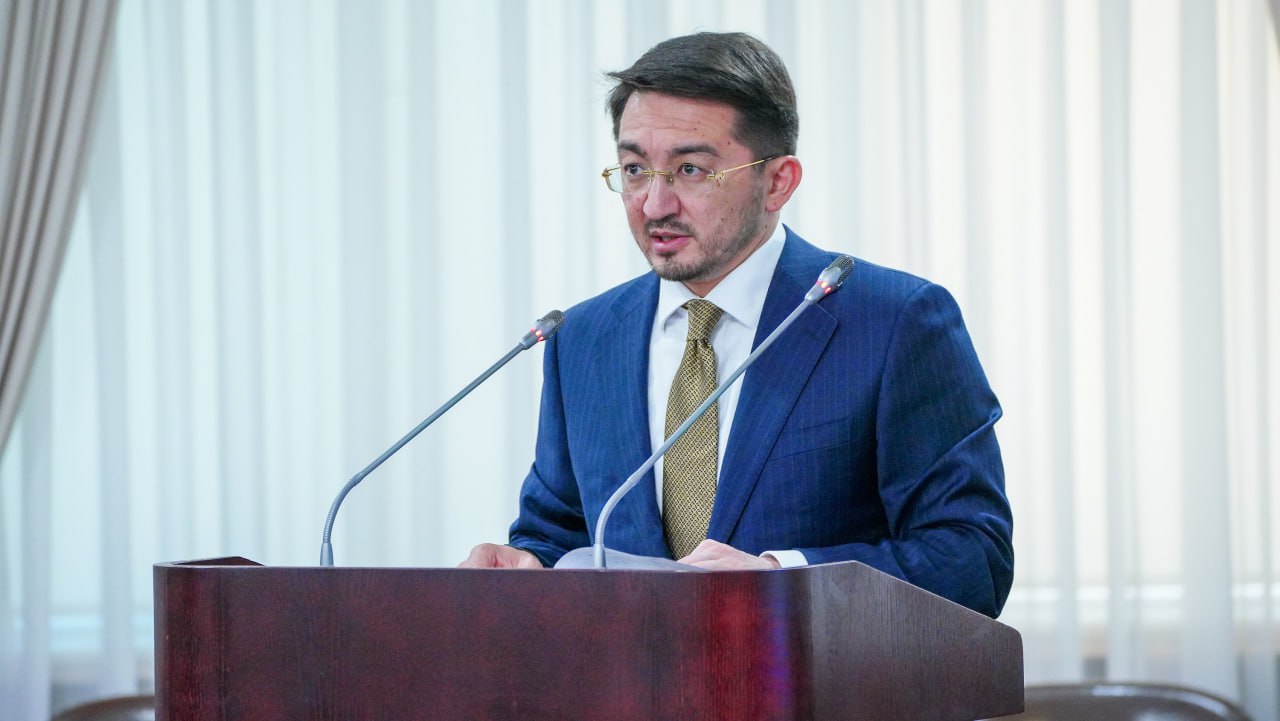
Kazakhstan is expanding digital services in the mining sector, with 87.6 percent of services delivered electronically over the past year. The initiative was highlighted at a government meeting as part of efforts to modernize extractive industries.

The State Oil Fund of Azerbaijan (SOFAZ) invested 21 billion manat ($12.35 billion) in gold bars by the end of last year. This marks an increase of 9.5 billion manat ($5.6 billion), or 83%, compared to 11.48 billion manat ($6.75 billion) recorded the previous year.
Iran’s imports from Tajikistan surged significantly in both value and volume, reflecting a targeted increase in key goods like cotton and silk fabrics despite a broader national decline in non-oil imports.

State Oil Fund of Azerbaijan (SOFAZ) invested a total of 4. 56 billion manat ($2. 68 billion) in real estate funds by the end of last year. This represents a 382 million manat ($224. 7 million) or 9.
Iran’s non-oil exports to Kyrgyzstan declined notably in the first quarter of the Iranian year, with both value and volume falling by nearly 20% and 7%, respectively, reflecting broader downward trends in Iran’s overall non-oil export sector.
Iran’s railway authority has signed agreements with two local companies to purchase around 130 new passenger cars and refurbish about 140 others. The total investment in the project is estimated at nearly $150 million.

The State Oil Fund of Azerbaijan (SOFAZ) earned a net profit of 7. 8 billion manat ($4. 6 billion) in 2024. This marked a decrease of 245 million manat ($144 million) compared to the previous year’s profit of 8.
Bank loans to Iran’s housing and construction sector fell by 31% in the first quarter of the current Iranian year compared to the same period last year. Despite this decline, total lending across all sectors rose by over 41%, reaching nearly $23 billion.
KC Energy Group delivered 186,400 tons of diesel fuel to farmers across 13 regions of Kazakhstan during the spring 2025 agricultural season, marking an 8,500-ton increase year-on-year. The company plans to supply 165,500 tons more for autumn fieldwork.
Iran’s imports from Kyrgyzstan dropped sharply in the first quarter of the Iranian year, with product value falling 28. 6% and weight down 46. 6% year-on-year. Overall non-oil imports also declined by 11.
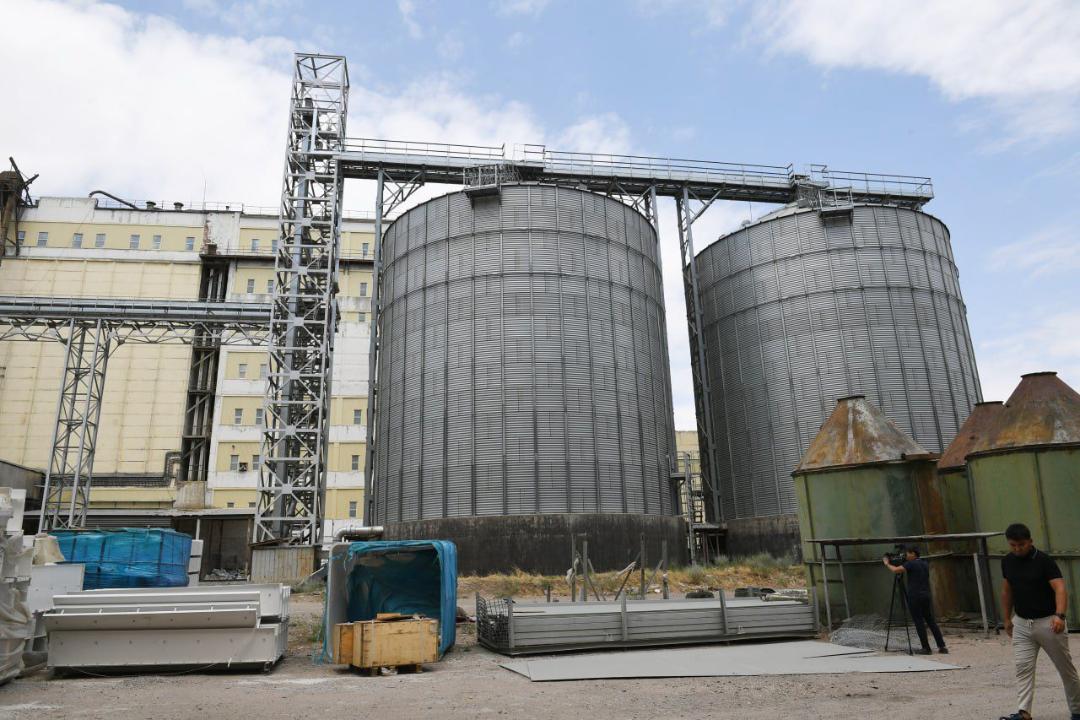
Karaganda and Astana have emerged as leaders in Kazakhstan’s new index of industrial and innovative development, showing strong performance in productivity, investment, and high-tech exports. The data highlights growing regional disparities, with resource-heavy areas falling behind on modernization.
Iran’s foreign debt rose by nearly 7 percent compared to the same period last year, reaching close to $5 billion by the end of the first month of the current Iranian calendar year. The majority of the debt is short-term, with the remainder consisting of long-term obligations.

Kazakhstan-China Pipeline LLP transported nearly 10 million tons of oil in H1 2025, up 5 percent year-on-year. Cargo turnover also rose by 4 percent, reaching nearly 9 billion ton-kilometers, driven by stable eastbound demand.
Iran's steel production saw a decline in Q1 2025, with crude steel output down by 4.8% and steel product production falling 8% year-on-year. However, sponge iron and iron ore concentrate production showed modest growth, signaling a mixed performance in the country's steel sector.

Batumi Oil Terminal LLC transshipped 805,000 tons of oil and gas in the first half of 2025, down 15 percent year-on-year, due to deferred shipments. The terminal remains a key part of KazTransOil's export strategy.
Iran’s Bahar Azadi gold coin prices continue to rise amid currency fluctuations following the Central Bank’s shift to a floating exchange rate system. The gold coin remains a key investment asset as Iranians seek stability amid economic volatility.

Uzbekistan has seen a remarkable surge in travel to Vietnam during the first five months of 2025, with tourism driving the majority of the increase. According to official statistics, the number of Uzbek visitors to Vietnam has more than tripled compared to last year.

KazTransOil reported stable volumes and modest growth in cargo turnover during the first half of 2025. The company’s oil pipeline network handled 23. 07 million tons, while cargo turnover increased to 22.

Internet banking usage in Turkmenistan reached over 1.2 million users as of July 1, 2025, with major contributions from Mary, Ashgabat, and Lebap regions.
Iran’s non-oil exports to Kazakhstan totaled $52 million and 95,500 tons in the first three months of the current Iranian year. These exports mainly included agricultural products, tobacco, and petrochemicals.
Iran’s imports from Kazakhstan fell sharply in the first three months of the current Iranian year. Value dropped by 58.1 percent and weight by 47.2 percent compared to the same period last year. During this time, imports totaled about $8.69 million and 27,500 tons.
Iran's hydroelectric power production has dropped significantly due to severe drought, with summer output expected to fall by nearly 40 percent compared to last year. Officials say water levels in rivers feeding key reservoirs have declined by half, putting major strain on the country’s electricity supply.
Iran will spend 88 trillion rials ($152 million) on buying and repairing vehicles. Contracts with local companies will be signed on July 20. The plan includes purchasing 130 new passenger cars and repairing 140.
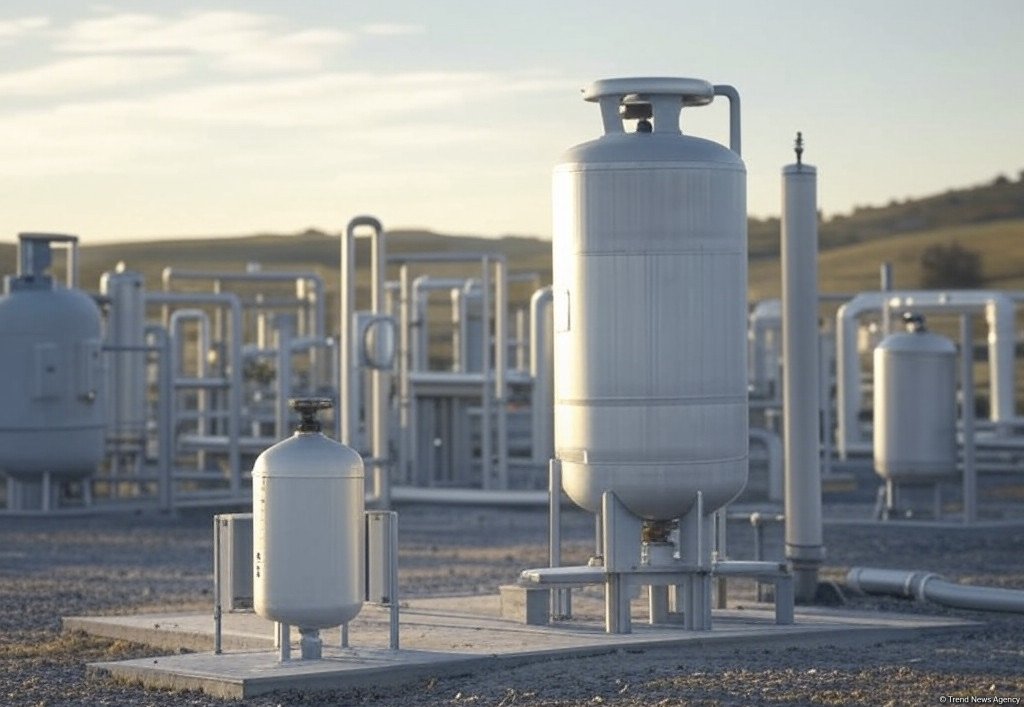
Europe’s gas injection season advanced steadily in June 2025, with underground storage (UGS) sites across the EU reaching an average daily volume of 55.8 billion cubic metres (bcm), up from 45.5 bcm a month earlier, according to the Gas Exporting Countries Forum (GECF).
Iran’s agricultural GDP grew 33.7 percent in the last Iranian year. It reached 23.2 quadrillion rials ($40.2 billion), up from 17.4 quadrillion rials ($30 billion) the year before. The sector made up 11.2 percent of Iran’s total GDP.
Non-oil exports from Iran's overall non-oil exports dropped to approximately $12 billion, showing a notable decline compared to last year.
In the first quarter of the current Iranian year, bank loans to the country’s industrial and mining sectors rose by over 70 percent compared to the same period last year, reaching nearly $11 billion.

Uzbekistan is seeing a steady rise in visitors from Italy, with tourism continuing to drive the majority of trips. New data from the Statistics Committee highlights growing interest in the country among Italian travelers in early 2025.
As of July 1, 2025, Uzbekistan has seen a significant rise in foreign investment, with the total number of enterprises involving foreign capital reaching 16,685
Iran’s GDP saw a significant increase last year, rising by over 30% when calculated including crude oil, reaching approximately $310 billion at current prices. Key sectors such as agriculture, mining, industry, and services all contributed to this growth, with services experiencing the highest rise.

Fitch forecasts stable oil and gas revenues for Azerbaijan until 2027, with declining oil production and growing gas production, and notes that the start of development of the Karabakh field and the expansion of the country's transit role could attract foreign investment.
The international rating agency Fitch forecasts steady economic growth in Azerbaijan thanks to support for non-resource sectors, government investment, and growth in transit trade.
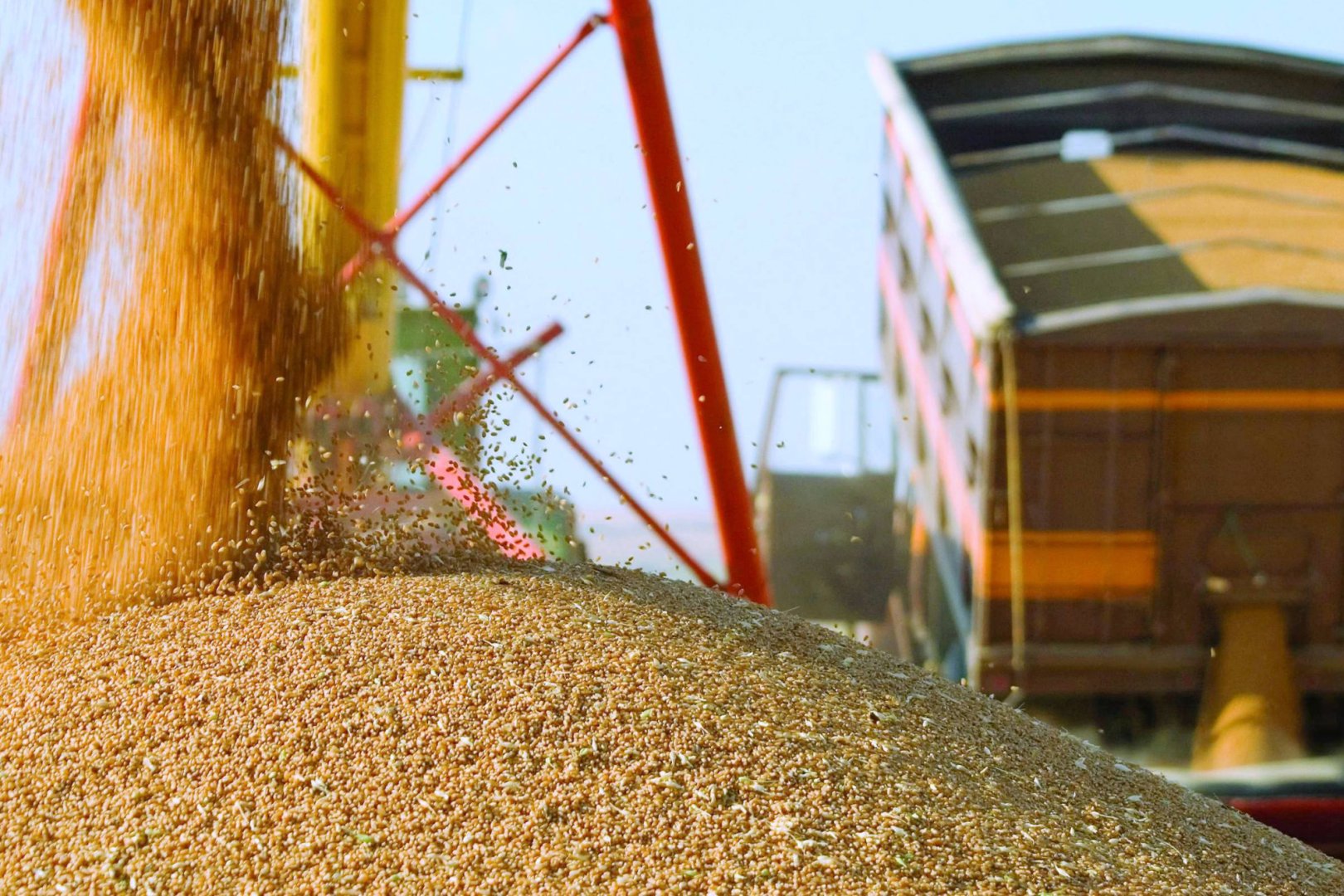
KTZ noted that its locomotive and railcar fleet, as well as infrastructure, are fully prepared to handle the increased volumes.

Mongolia’s real GDP expanded by 5.6 percent year on year in the first half of 2025, according to the European Bank for Reconstruction and Development (EBRD).
Turkmenistan's real GDP expanded 6.3 percent year-on-year in the first half of 2025. Growth was broad-based, driven by transportation, services, and construction sectors, while retail trade turnover increased 12.7 percent year-on-year.
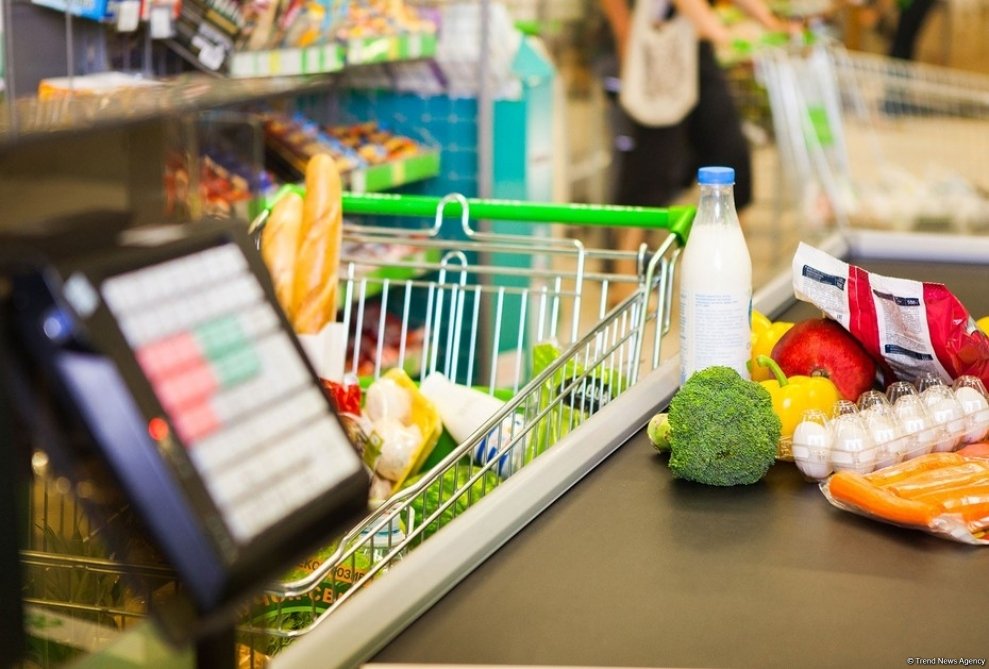
Retail trade in Baku rose to nearly 24 billion manats, driven by higher sales of both food and non-food products.
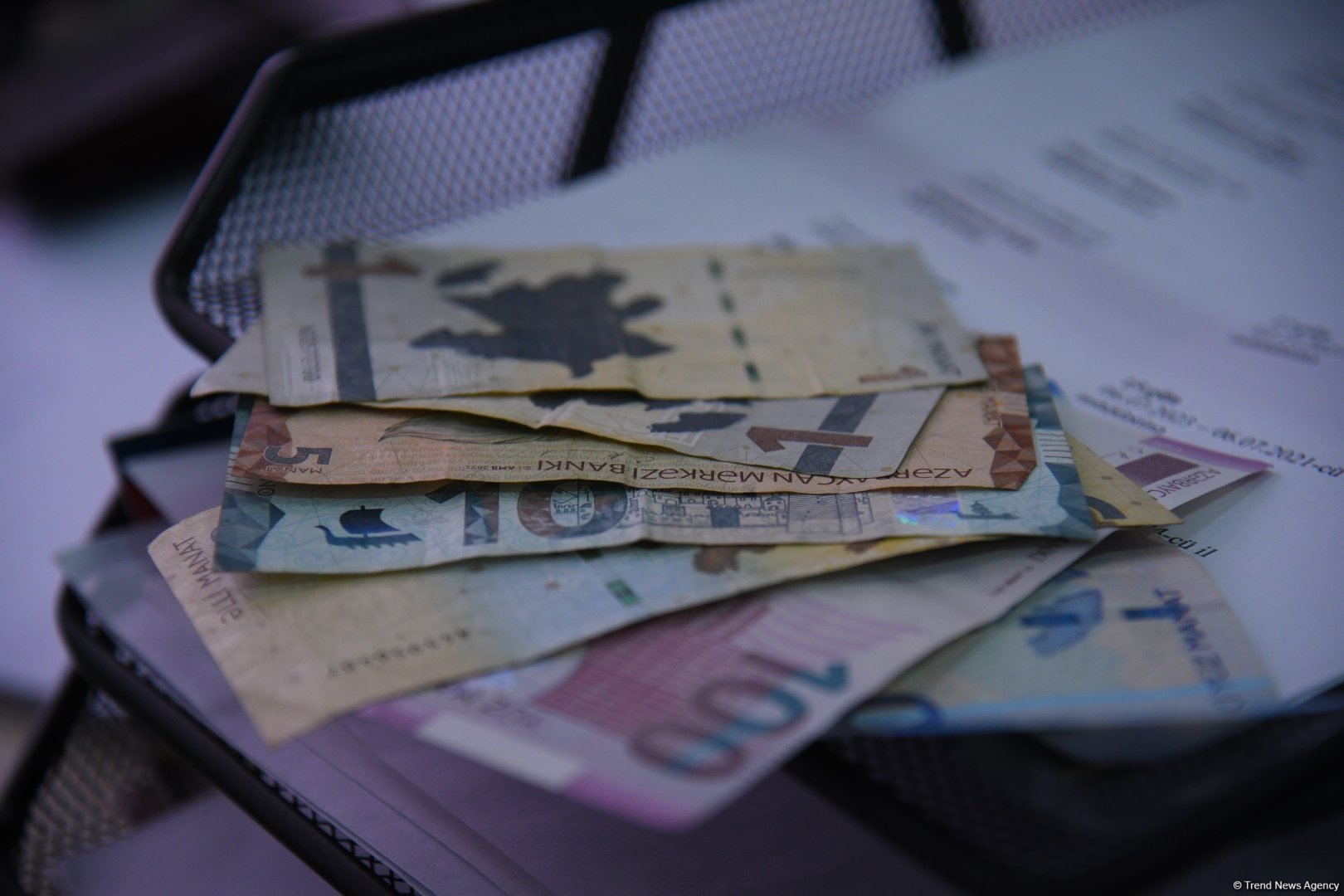
Salaried employees in Baku saw their average monthly wages rise to around 1,380 manat, up nearly 9% from last year.

Kazakhstan has launched AI-driven initiatives in the manufacturing sector, following President Tokayev’s directive. A pilot project at the Aksu Ferroalloy Plant (part of ERG - Eurasian Resources Group) integrates AI into furnace management, using Big Data to enhance productivity, energy efficiency, and reduce downtime.

Construction of the bridge over the Araz River connecting Iran and Azerbaijan is nearing completion, with around 65 percent of the work finished.
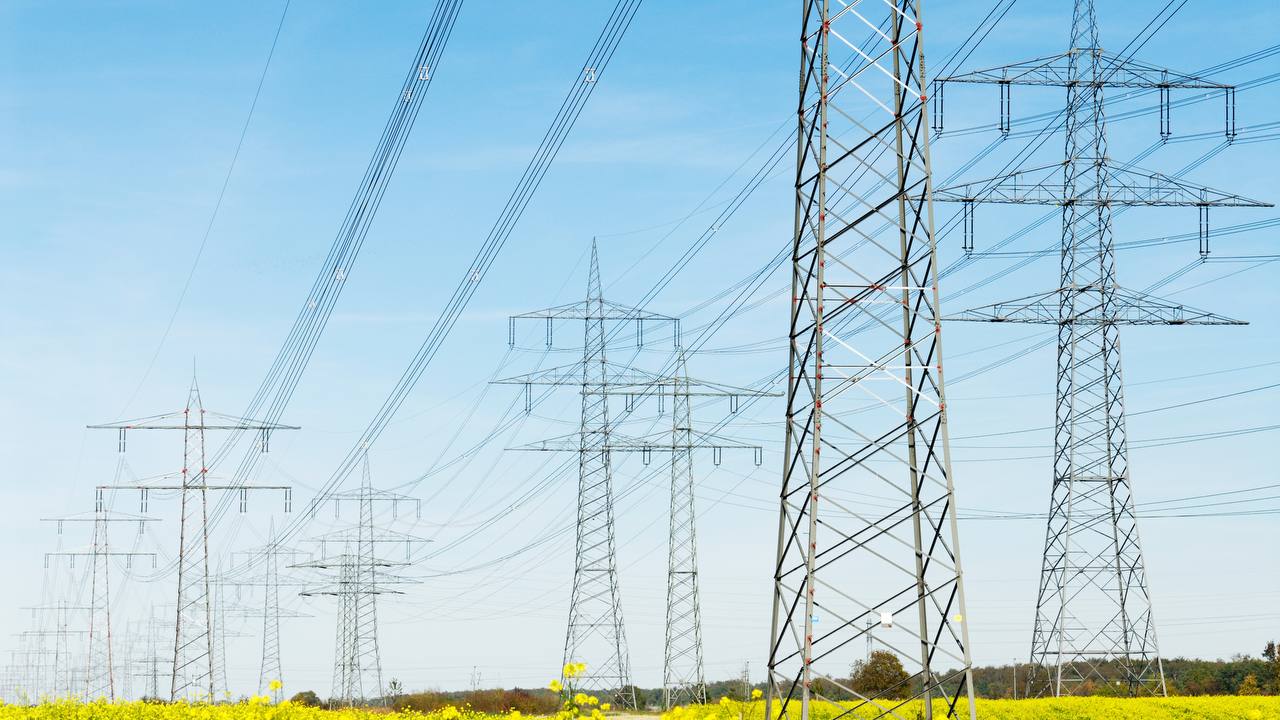
Iran, Azerbaijan, and Russia are working to synchronize their electricity grids, with leadership agreements already in place. Iranian company Monenco completed research confirming the feasibility of this synchronization.

Over the past 15 years, Uzbekistan’s construction sector has experienced remarkable growth, with annual work volumes rising from 8.2 trillion soums ($694 million) in 2010 to 263.7 trillion soums ($22.34 billion) in 2024. T

The auctions reflect the active participation of the domestic business sector in the petrochemical industry and confirm stable demand for Turkmen petrochemical products in the local market.

Both lots were offered under prepayment terms with FCA Turkmenabat city delivery conditions. All lots are intended for export and are denominated in US dollars.

The number of issued Visa debit cards in Georgia in July 2025 marked the highest monthly total this year, according to data from the country's National Bank.

Foreign direct investment (FDI) from Georgia into Azerbaijan reached $69. 1 million in the first half of 2025. This marks a 2. 5-fold increase compared to the same period in 2024. At the same time, Azerbaijan invested $77.
Global food prices saw mixed movements in October, with the FAO Food Price Index slipping to about 126, driven by declines in grains, sugar, dairy and meat, while vegetable oils recorded an increase.
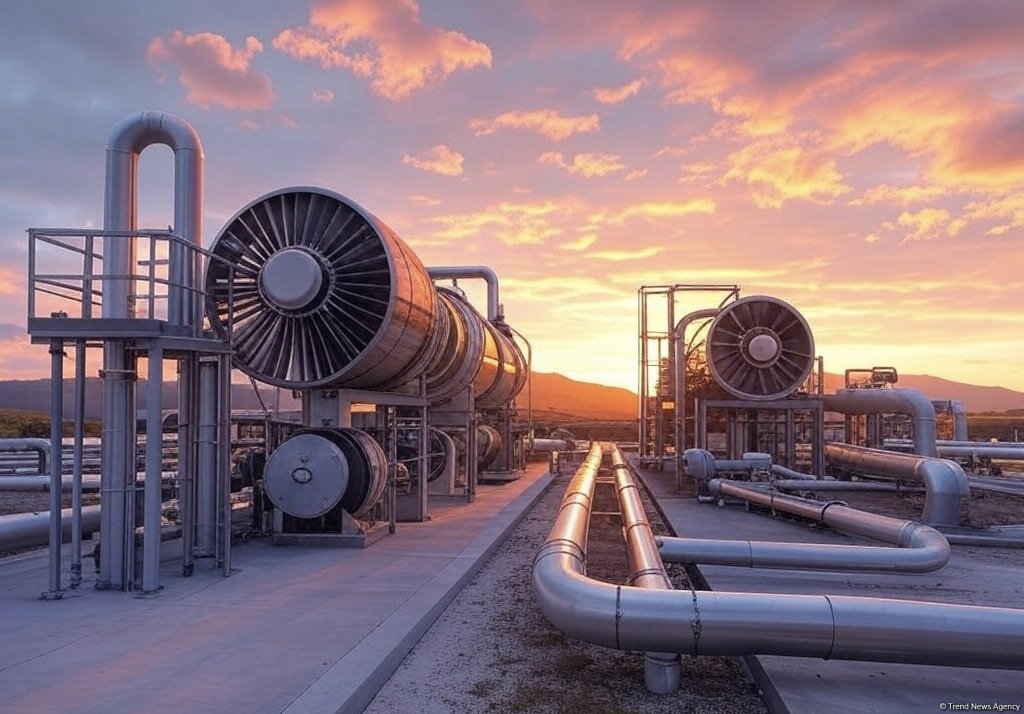
Azerbaijan earned 2. 07 billion manat ($1. 2 billion) from main gas pipelines in January–September 2025, up 3. 6% year-on-year. Pipeline losses rose 16. 9% to 34. 6 million cubic meters, while transported volumes edged up 0.

Azerbaijan’s maritime transport sector saw strong growth in freight revenue, earning nearly 195 million manat in the first nine months of the year, up around 13% compared to last year.

The most popular search engines in Azerbaijan for November have been named.

he slight decline in cargo transport via the East-West corridor and the Europe-Caucasus-Asia route in 2025 suggests a potential slowdown in regional trade, while the overall transportation figures highlight the continued reliance on multi-modal logistics for trade between East and West.

Uzbekistan has significantly expanded its solar energy capacity, with 141,221 facilities now equipped with panels totaling 1,971 MW, producing 1.87 billion kWh in 2025 and cutting both gas use and emissions
Uzbekistan’s economy is set to sustain solid growth, with real GDP projected at 7–7.5% in 2025, supported by strong investment, rising household incomes, and robust exports.
Fitch Ratings expects Uzbek banks’ financial profiles to remain stable in 2026, supported by solid economic growth and ongoing government backing.
S&P Global has upgraded Uzbekneftegaz’s credit rating to ‘BB-’, reflecting the company’s strengthening financial performance and improved governance following Uzbekistan’s recent sovereign rating boost.
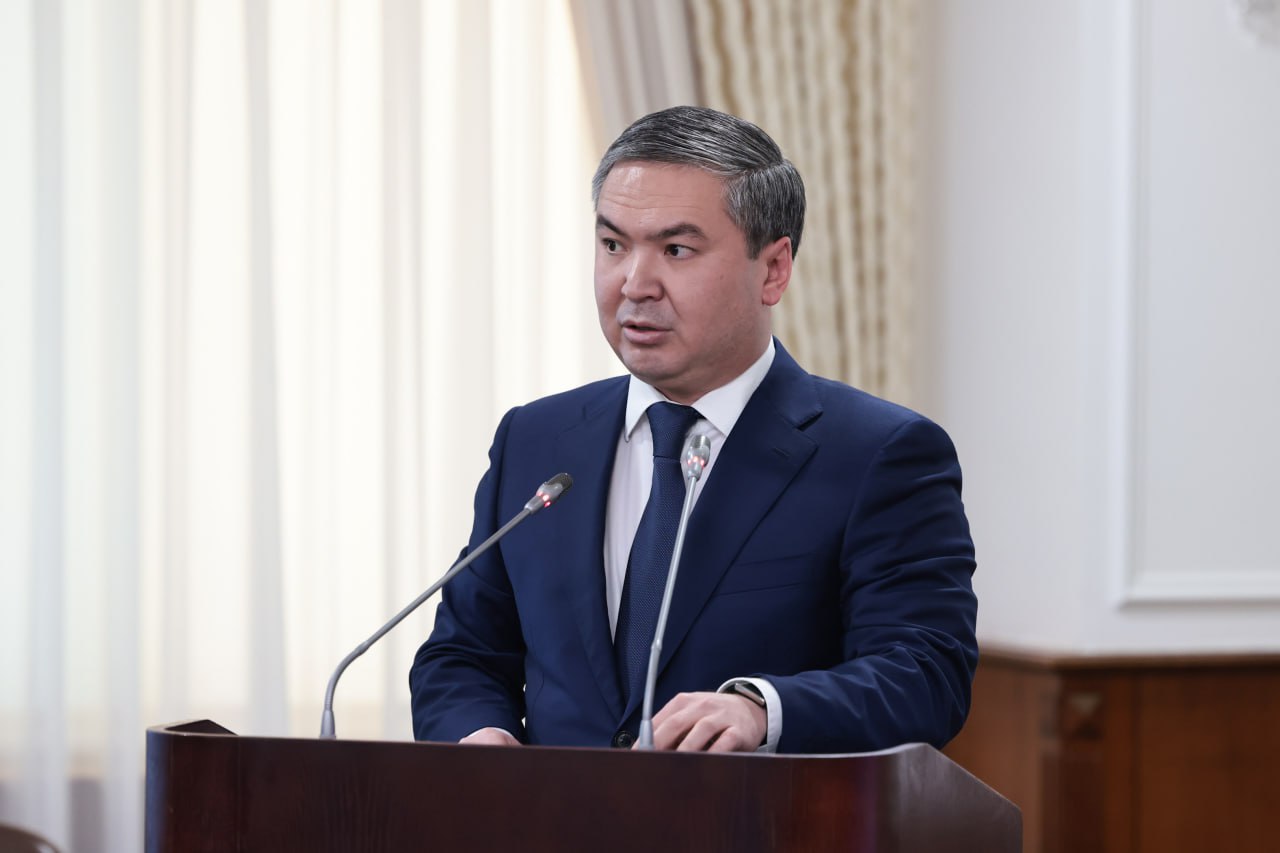
Kazakhstan has sharply expanded support for domestic producers, with the value of public procurement contracts rising 1.5 times in 2025, driven by strengthened long-term agreements and major reforms in the subsoil users’ procurement system.