16:12
Iran reports latest turnover in fixed-income funds trading
The cumulative trading value of fixed-income funds in Iran has surged to unprecedented levels over a recent timeframe of 21 days.

The cumulative trading value of fixed-income funds in Iran has surged to unprecedented levels over a recent timeframe of 21 days.
Expanding power generation and RES capacity could stimulate investment, create jobs, and support Kazakhstan’s transition to a low-carbon economy.

The reliance on coal highlights both economic opportunities for renewable energy investment and challenges in diversifying the energy mix to reduce environmental and market risks.
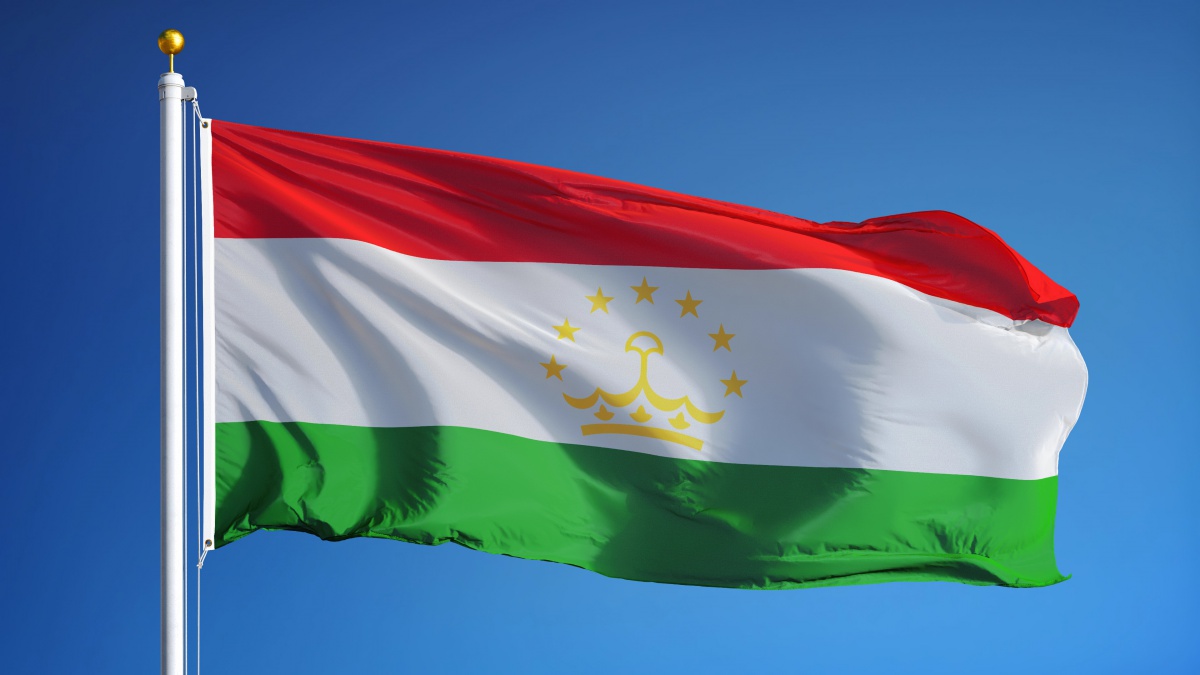
The country’s reliance on hydropower highlights the potential economic benefits of expanding renewable energy infrastructure to improve energy security.
Kyrgyzstan’s limited diversification of electricity generation underscores the potential for accelerated development of renewable energy sources to enhance energy security.
Regional energy integration could unlock cost efficiencies, stabilize seasonal supply-demand imbalances, and enhance export revenues for hydropower-driven economies in Central Asia, improving overall energy market efficiency and investment attractiveness.
The Green Climate Fund (GCF) is actively supporting Azerbaijan in implementing its 2022–2026 Socio-Economic Development Strategy, promoting greenhouse gas reduction and the transition to a sustainable economy.
Kyrgyzstan demonstrates steady progress in sustainable development and hydro-based energy resilience, supported by regional energy integration initiatives.
The output of the Karakul HPP showcases Kyrgyzstan’s continuous endeavors to broaden its energy portfolio, augment its power generation capabilities domestically, and foster economic expansion by way of a steady supply of electricity.
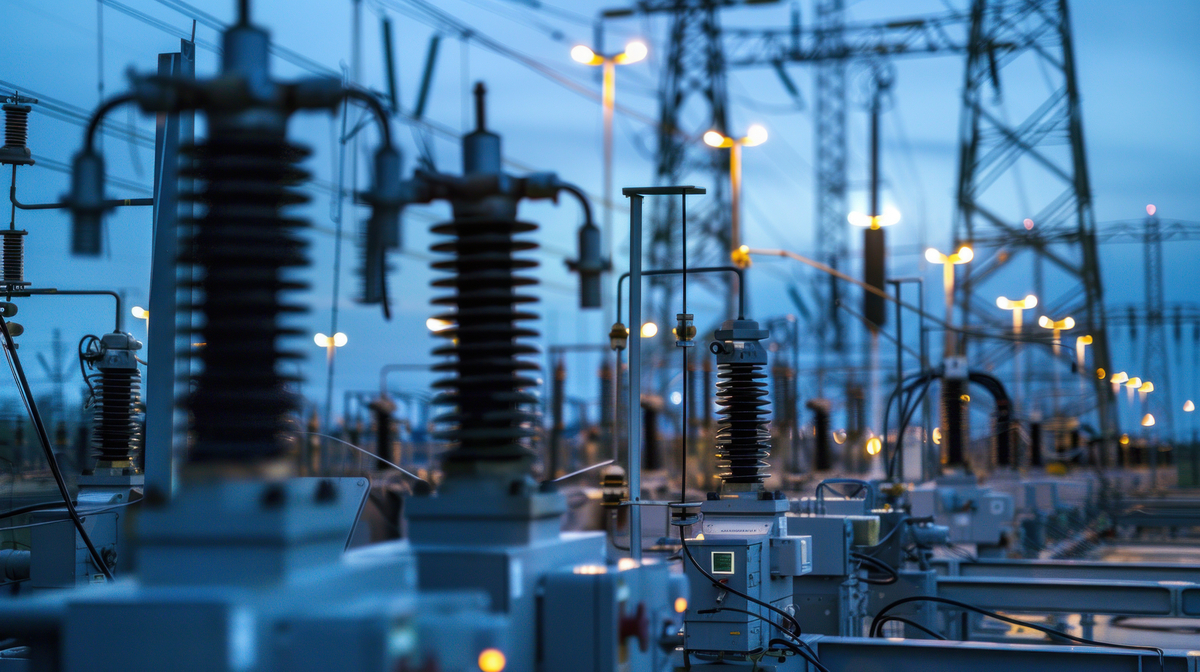
By strengthening the country's energy infrastructure, the massive transformer repairs and installs should boost the reliability of the power supply, cut down on operating losses, and bolster Kyrgyzstan's overall economic development.
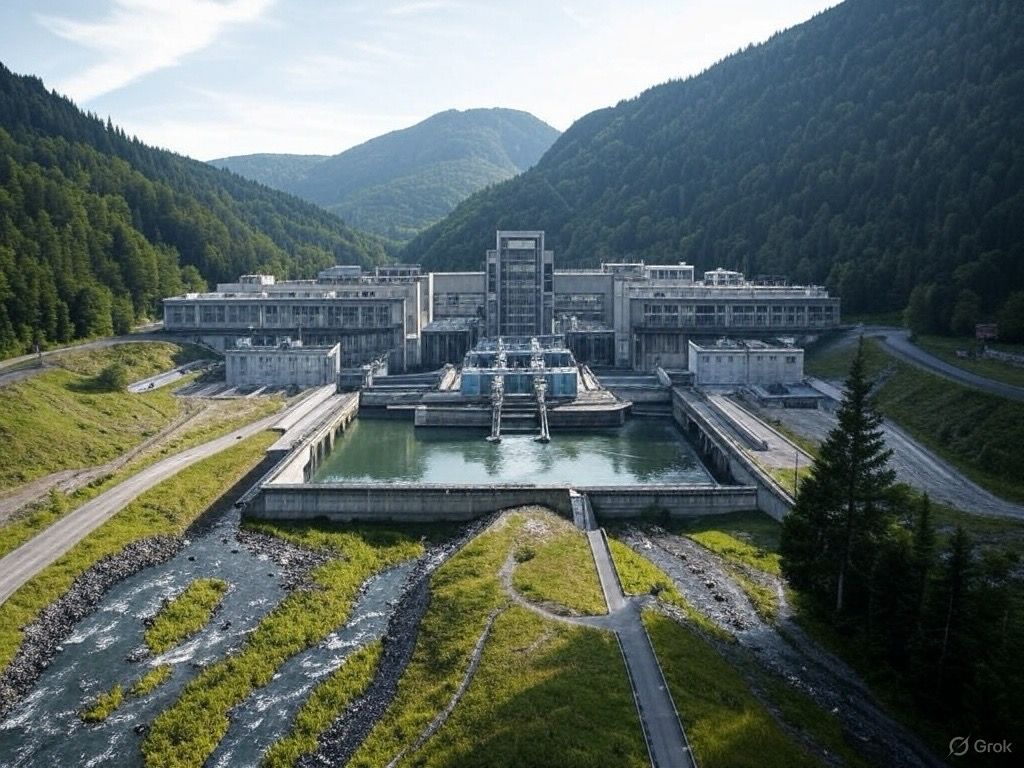
Kyrgyzstan's Electric Stations OJSC is advancing the Kambarata HPP-1 project, focusing on vital infrastructure development to strengthen energy security and expand the country's hydroelectric capacity through 2026.

The Papan HPP project is expected to boost Kyrgyzstan’s renewable energy capacity, strengthen grid reliability in the south, and attract investment in sustainable infrastructure.

The upgrade of the Dolinka substation is expected to strengthen regional energy capacity, improve reliability, and support local economic development.
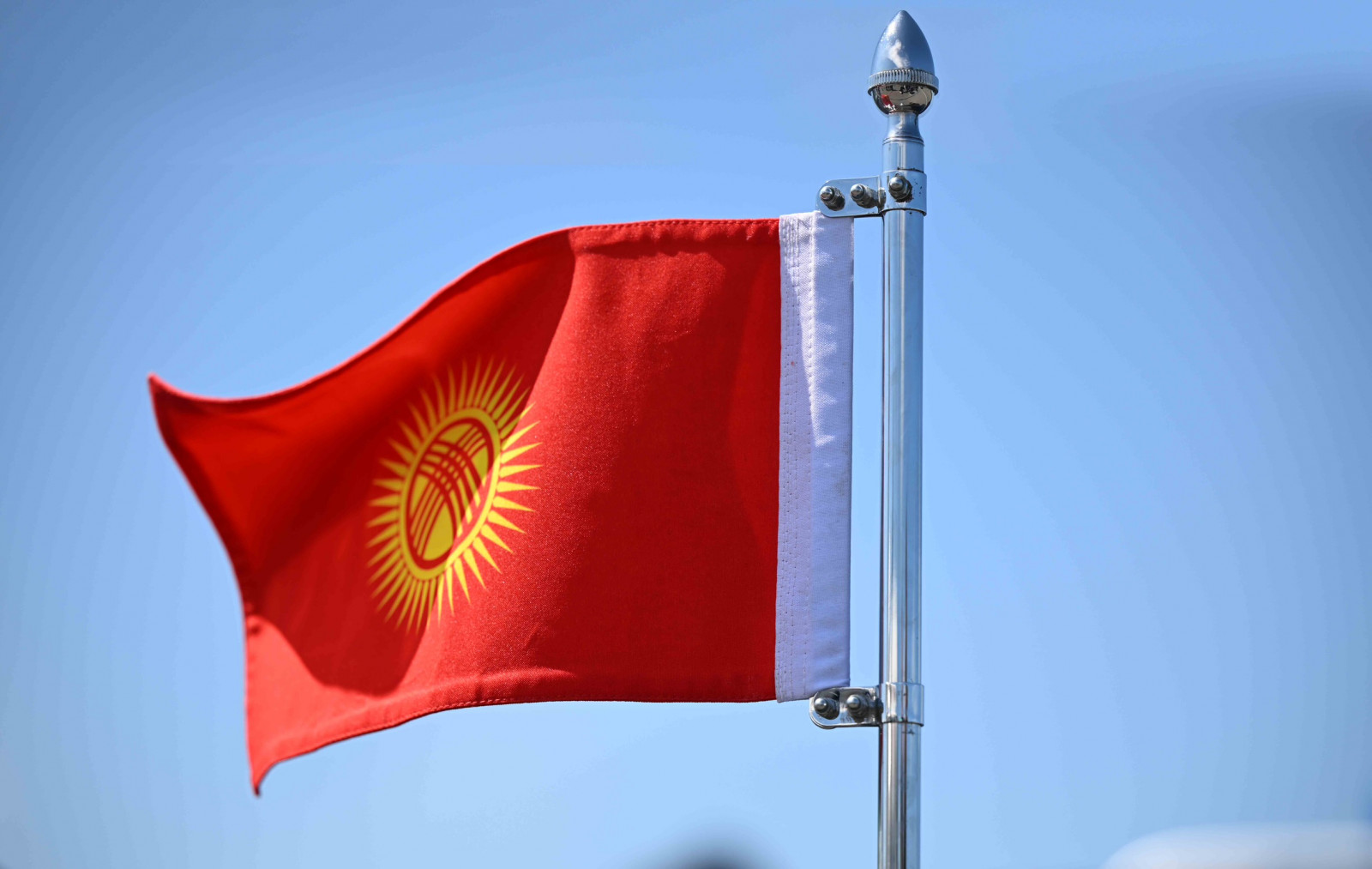
The project is set to enhance Kyrgyzstan’s energy efficiency, reduce technical losses, and develop a skilled workforce to support the country’s growing power infrastructure and industrial expansion.
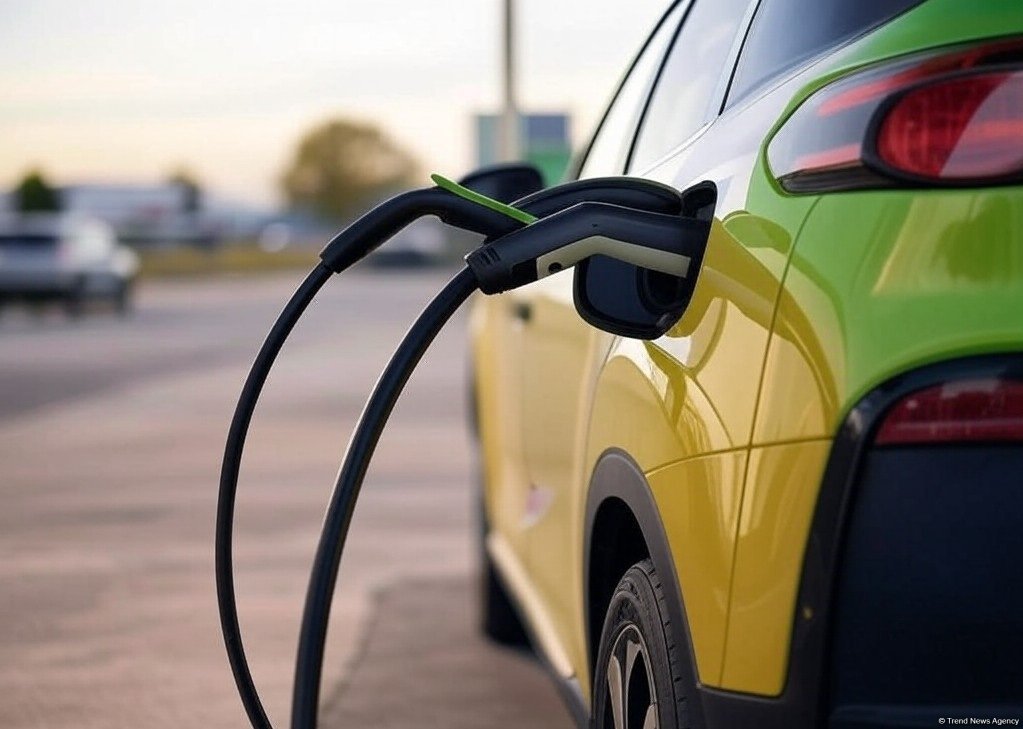
The development of electric vehicle charging infrastructure and renewable energy projects is expected to strengthen Kyrgyzstan’s green economy, attract investment, and modernize the energy sector.
Planned expansion of hydropower and solar capacity in Kyrgyzstan aims to strengthen the national energy system and support sustainable economic growth.

In 2025, Azerbaijan saw a rise in foreign currency purchases, boosting market stability. The Central Bank highlights positive trends, including growing reserves and a foreign trade surplus. Optimism remains for future economic stability.
The initiative is expected to improve investment conditions in Kyrgyzstan’s renewable energy sector by enabling larger-scale projects, accelerating capacity growth, and supporting the expansion of green power generation.
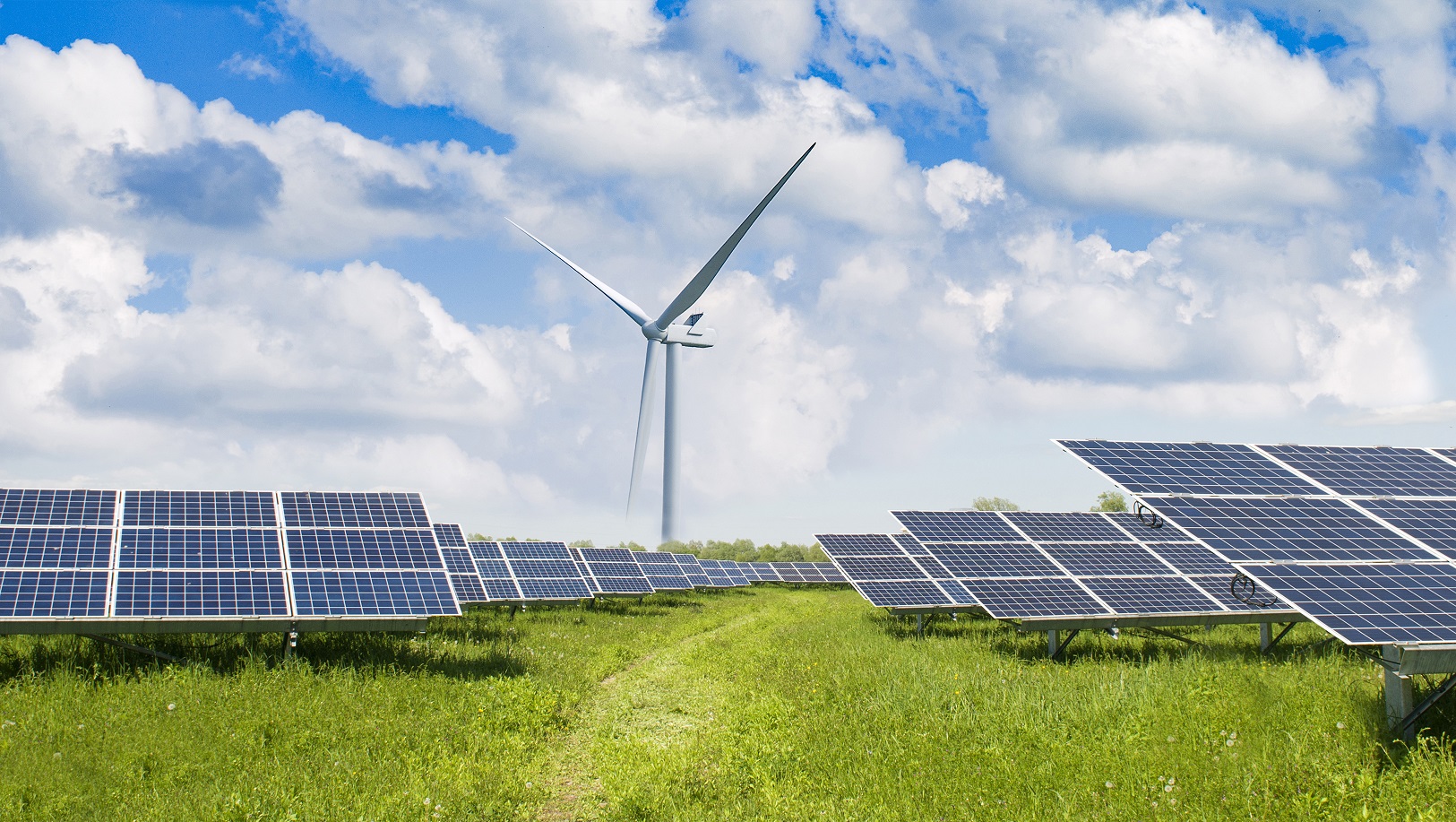
Latvia has significant expertise in green energy and sustainable development, which it seeks to share with Azerbaijan to support the country’s energy transition and industrial efficiency.

Azerbaijan has seen strong growth in renewable energy production, with wind power generation reaching 74 million kWh and solar power 532 million kWh in the first ten months of the year.

According to the latest figures from the International Renewable Energy Agency (IRENA), Azerbaijan’s installed bioenergy capacity held steady between 2015 and 2024, showing no significant growth over the decade.
In the first quarter of the current Iranian year, exports from Iranekistan.
The planned hydropower project highlights Kyrgyzstan’s strategy to diversify its energy mix while leveraging public-private partnerships to support regional infrastructure and rural economic development.

Kyrgyzstan’s renewable energy capacity trends indicate gradual sectoral adjustments with potential implications for investment and energy supply planning.
Potentially attracting new investment, the power sector in Central Asia stands to benefit from increased hydroelectric flexibility brought about by regional integration and modernization, which in turn might boost energy efficiency and facilitate the spread of renewable sources.
Expanding hydropower and other RES capacities could attract investment, create jobs, and support long-term economic and energy stability.
Coordinated regional energy management, with Tajikistan as a key hydropower supplier, can optimize seasonal electricity flows, reduce energy costs, and enhance cross-border trade opportunities in Central Asia.

The project is expected to strengthen the reliability of electricity supply in northern Kyrgyzstan, reduce transmission constraints, and support the country’s broader efforts to modernize its power infrastructure and improve energy security.
The ongoing swap of old wooden poles for sturdy concrete ones in Issyk-Kul is bound to shore up grid reliability, cut down on outages, and give a leg up to both regional economic and residential growth.

The upcoming solar power project with Masdar is set to light up Tajikistan’s green energy scene, draw in foreign investment, and fortify the nation’s energy security and economic backbone.
The Sebzor Hydropower Plant strengthens regional energy security, supports local economic activity, and provides a foundation for sustainable growth in Gorno-Badakhshan.
The upgrades are expected to improve energy efficiency, lower technical losses, and support more sustainable tariff revenues, strengthening the financial viability of Kyrgyzstan’s power sector.
Renewable energy capacity trends in Tajikistan point to slow sectoral shifts, which could affect energy supply planning and investment.
The new substation will help Tajikistan's energy and economy grow in the long run by making power more reliable, which will encourage more industrial activity.
In order to strengthen energy security in Kyrgyzstan and provide more stable conditions for investment and industrial growth, the substation improvement is anticipated to increase transmission capacity and grid efficiency.
The expansion of Kambarata HPP-2 is expected to significantly boost Kyrgyzstan’s electricity generation capacity, improve energy reliability, and create favorable conditions for economic growth and potential power exports.

The new thermal power center in Karakol is expected to enhance the city’s energy supply, support local economic activity, and improve reliability for businesses and residents.
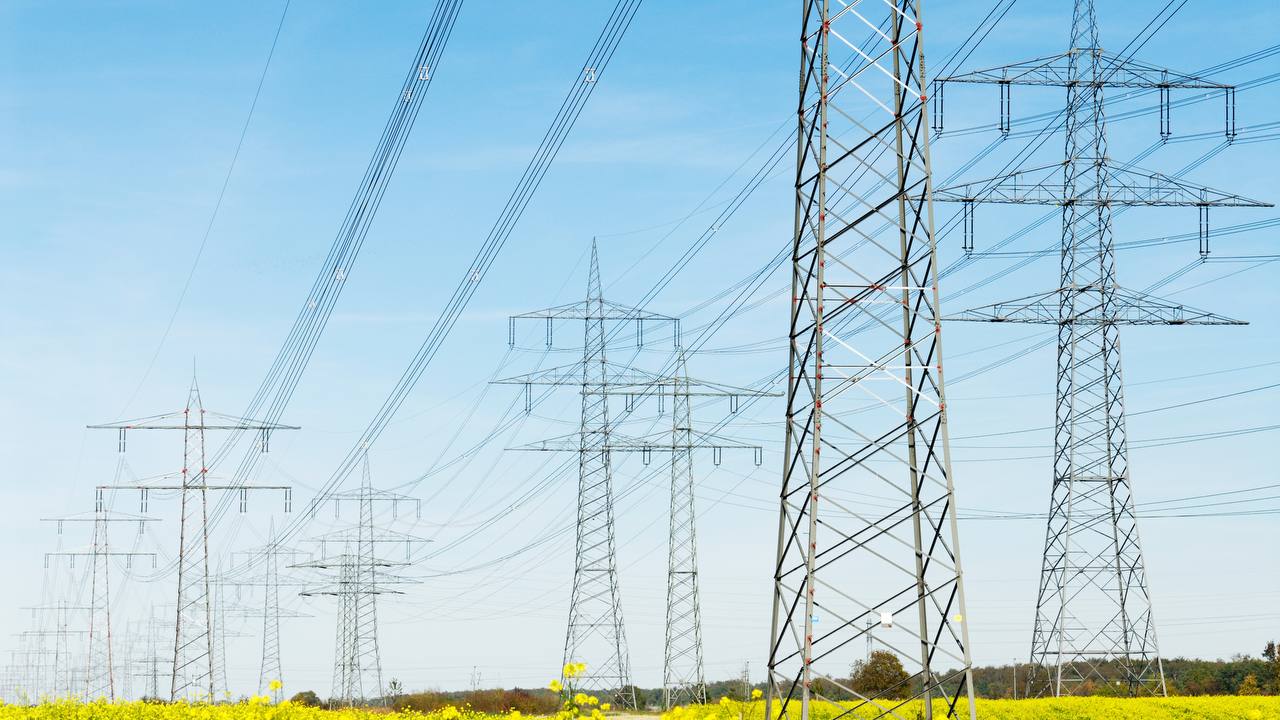
The creation of new network subdivisions and ongoing infrastructure upgrades in Issyk-Kul are expected to improve energy efficiency and support regional economic development.
Expansion and modernization of Kyrgyzstan’s energy infrastructure in 2025 are strengthening the country’s power supply and supporting economic growth.
Planned upgrades to two key Bishkek substations in 2026 are expected to strengthen the city’s energy infrastructure and support growing electricity demand from residential, industrial, and social developments.
Upgrades to seven key Bishkek substations in 2025 are expected to boost electricity supply reliability and support growing urban energy demand, strengthening the city’s energy infrastructure.