08:41
Kyrgyzstan unveils investment volume in Medimpex medical company
The project highlights Kyrgyzstan’s push for import substitution and industrial diversification by scaling domestic, high-tech medical manufacturing with export potential.


The project highlights Kyrgyzstan’s push for import substitution and industrial diversification by scaling domestic, high-tech medical manufacturing with export potential.
Strong year-on-year growth in hotel and restaurant services highlights the recovery of Tajikistan’s tourism sector and the resilience of its service industry.
The strong year-on-year growth in retail trade and automotive services highlights the resilience of domestic demand and the expanding role of the service sector in Tajikistan’s economy.

The annual growth in food production reflects stable demand and continued activity in Tajikistan’s processing industry despite short-term monthly fluctuations.

The strong year-on-year growth in textiles and leather production reflects a rebound in Tajikistan’s manufacturing sector despite seasonal monthly declines.
The strong dominance of manufacturing underscores its central role in driving Kyrgyzstan’s industrial growth and overall economic stability.

Surge in bilateral trade signal strong potential for deeper economic integration and long-term growth between Kyrgyzstan and Tajikistan.
In 2025, Azerbaijan's trade operations with foreign countries saw significant activity. The country’s trade turnover grew compared to the previous year. While exports declined slightly, imports saw a notable increase, resulting in a smaller trade surplus.

The planned production increase by Anzob Metallurgical Plant reflects growing industrial output in Sughd Region and is expected to support regional economic growth and employment.
The expansion of agro-processing and logistics infrastructure is strengthening Kyrgyzstan’s agricultural value chains, supporting employment growth and improving the sector’s contribution to economic diversification and domestic supply resilience.
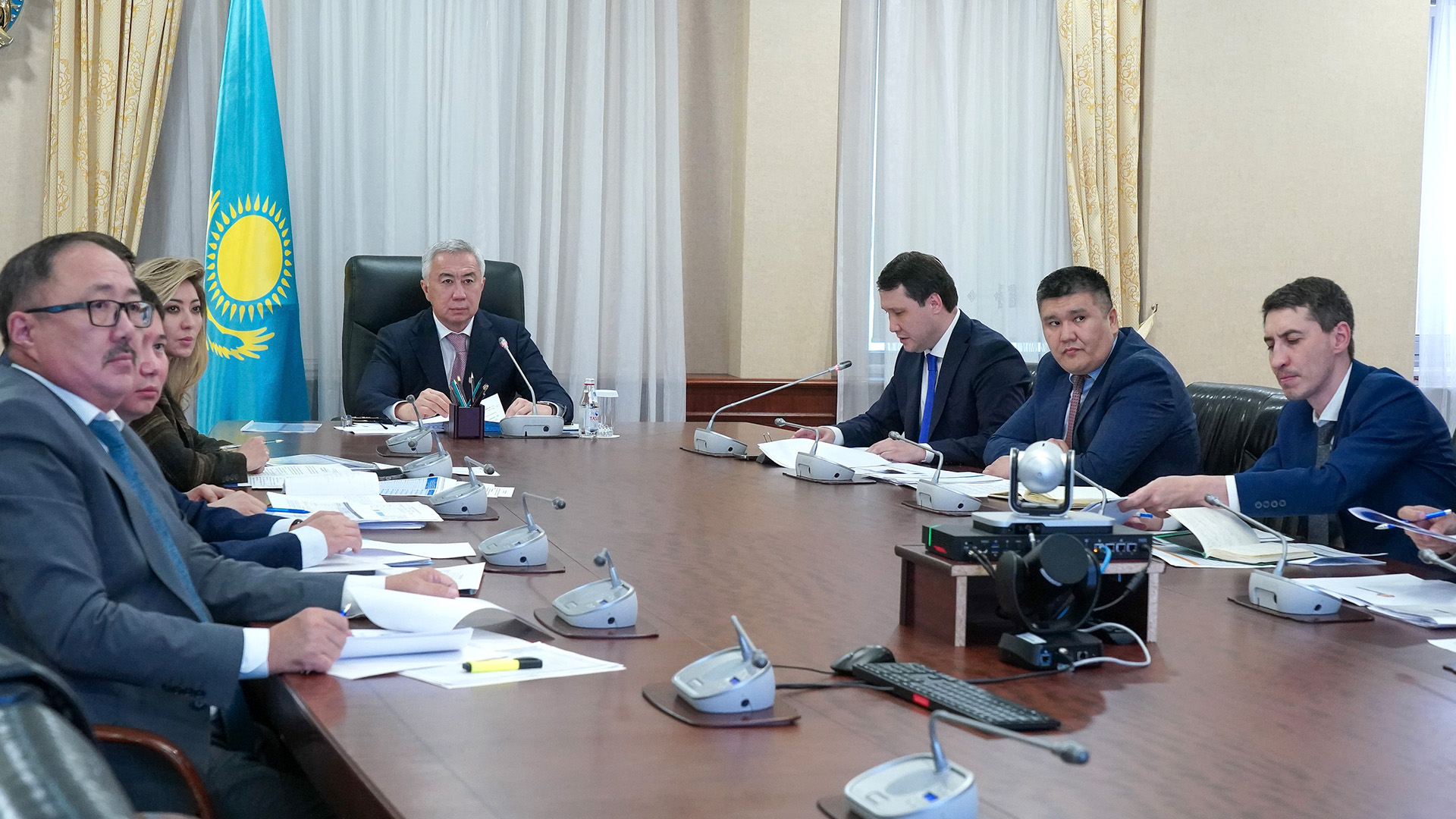
Kazakhstan’s Agriculture Ministry unveiled the “Investment Demand” plan with 202 projects (2025–2027) to reduce food imports, boost exports, and curb inflation. Focus areas include poultry, dairy, sugar, and produce processing.

During a visit to the Czech Republic, a delegation from West Kazakhstan, led by Governor Nariman Turegaliyev, held talks with major Czech industrial and tech firms. Key discussions focused on cooperation in glass industry equipment, municipal energy systems, heavy vehicle production, mining transport solutions, and aerospace projects.
Kazakhstan, supported by government initiatives, is expanding its soft wheat exports to new markets in North Africa and Southeast Asia, including Thailand, Myanmar, Algeria, Morocco, and Vietnam. Asylkhan Dzhuvashev, Chairman of NC Food Contract Corporation, highlighted the record grain sales of 1.

In the first five months of 2025, Kazakhstan's agricultural trade with the EU grew by 11 percent, reaching $662.2 million. Minister of Agriculture Aidarbek Saparov highlighted the strong trade and investment ties between Kazakhstan and the EU, emphasizing growth in exports of grain, flour, and animal products.

Representatives from Kazakhstan’s Veterinary Control Committee met with Jordan’s Veterinary Service at Kazakhstan’s Ministry of Agriculture to discuss exporting Kazakh beef, lamb, and live animals to Jordan.

Kazakhstan’s Deputy Prime Minister and Foreign Minister Murat Nurtleu visited Afghanistan at the Afghan side’s invitation to strengthen bilateral ties. During talks with Afghan Acting Foreign Minister Amir Khan Muttaqi, they focused on boosting trade, economic cooperation, and logistics, including plans to expand agricultural and industrial product exchanges and develop the Trans-Afghan transport route.
Two Indian petrochemical companies have paid $750 million to their Iranian partners, having therefore partly repaid India's multibillion debt to Iran for oil supply

Iran plans to participate in the oil and gas exploration project in Uzbekistan, Hamid Bord, managing director of Iran’s Oil Exploration Operations Company (OEOC), said.
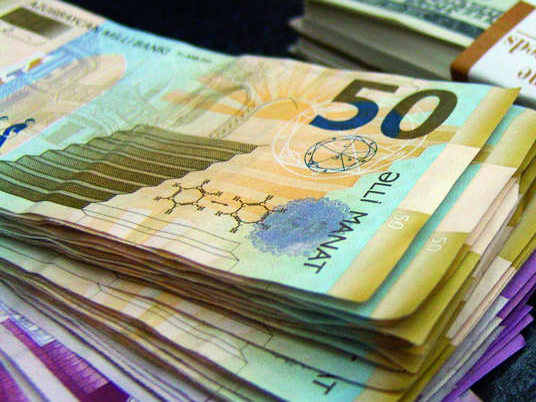
Official exchange rate of the Azerbaijani manat against the US dollar was set at 1.4957 manats for May 23

The launch of new enterprises in key sectors is expected to boost local economic activity, expand the tax base, and support job creation in Kyrgyzstan’s regions.

The sharp acceleration in chemical production highlights strengthening industrial capacity and suggests a growing contribution of higher value-added sectors to Tajikistan’s overall economic growth.

As part of its larger goal to attract foreign capital, develop trade capacity, and accelerate growth through varied economic relationships, Kyrgyzstan is pushing to promote Turkish investment and improve bilateral ties.
The Sokuluk trade and logistics center is expected to strengthen Kyrgyzstan’s agricultural value chain, improve supply chain efficiency, and support growth in agri-exports and related economic activity.
The initiative reflects Kyrgyzstan’s broader supply-side intervention strategy combining cluster-based agricultural development, subsidized credit support, and price stabilization measures in the meat market.

Tajikistan’s industrial sector maintained steady annual growth at the beginning of the year, despite a seasonal slowdown compared to the previous month.

Kyrgyzstan’s industrial surge in Naryn, driven by new mining and major transport projects, highlights the region’s growing role in national economic development and logistics modernization.
The layout and focus of Kyrgyzstan’s markets paint a vivid picture of the country’s retail scene, where bustling mixed markets play a crucial role in daily trade and regional economic vitality.
The concentration of markets in Kyrgyzstan’s major regions underscores their central role in regional commerce and highlights the uneven spatial distribution of retail infrastructure across the country.

The plant’s expansion into the UAE highlights Kyrgyzstan’s growing export potential and competitiveness in the regional beverage market, showcasing opportunities for investment and international business partnerships.

The expansion of Huaxin Gayur JV cement plant is set to boost industrial output in Sughd, strengthen export potential, and contribute significantly to the regional economy.

The EBRD has reinforced its long-term investment in Tajikistan with a €498 million project portfolio, including a new initiative to modernize electricity infrastructure in the country’s Khatlon and Sughd regions.

Kazakhstan’s agro-industrial sector is experiencing strong growth, with significant increases in investments and production in both agriculture and food processing. This positive momentum is contributing to improved food security and greater export potential for the country.

As part of King Abdullah II of Jordan’s official visit to Kazakhstan, around 50 leading Jordanian companies took part in industry-focused sessions organized by Kazakh Invest. Discussions with representatives from both countries’ pharmaceutical, veterinary, and agrochemical sectors focused on enhancing bilateral cooperation through regulatory harmonization, local production, and joint certification.

Kazakhstan plans to increase grain export volumes and expand export destinations, Deputy Prime Minister Serik Zhumangarin announced. In the first seven months of the year, 8.9 million tons of grain and flour were exported, with a forecast of 13 million tons by year-end.
Textile and garment production in Tajikistan showed moderate growth overall despite a decline in February output.
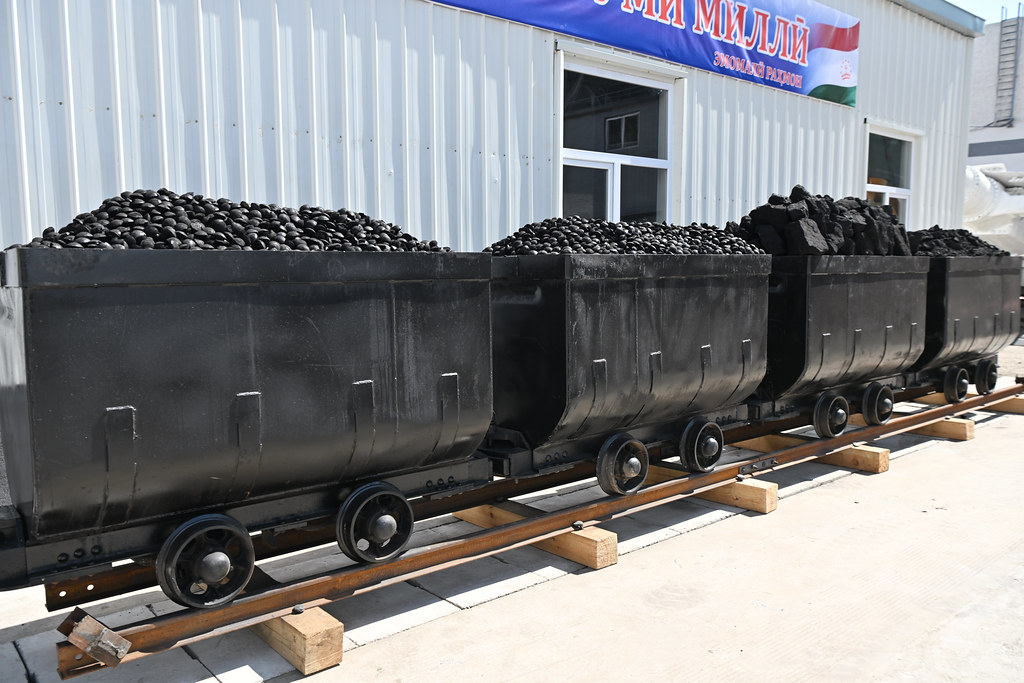
Tajikistan has officially launched Coal Mine No. 8 of the "Angisht" OJSC, located in the city of Isfara. The mine was officially opened on March 31 by the president of Tajikistan as part of his ongoing working visit to Isfara city.
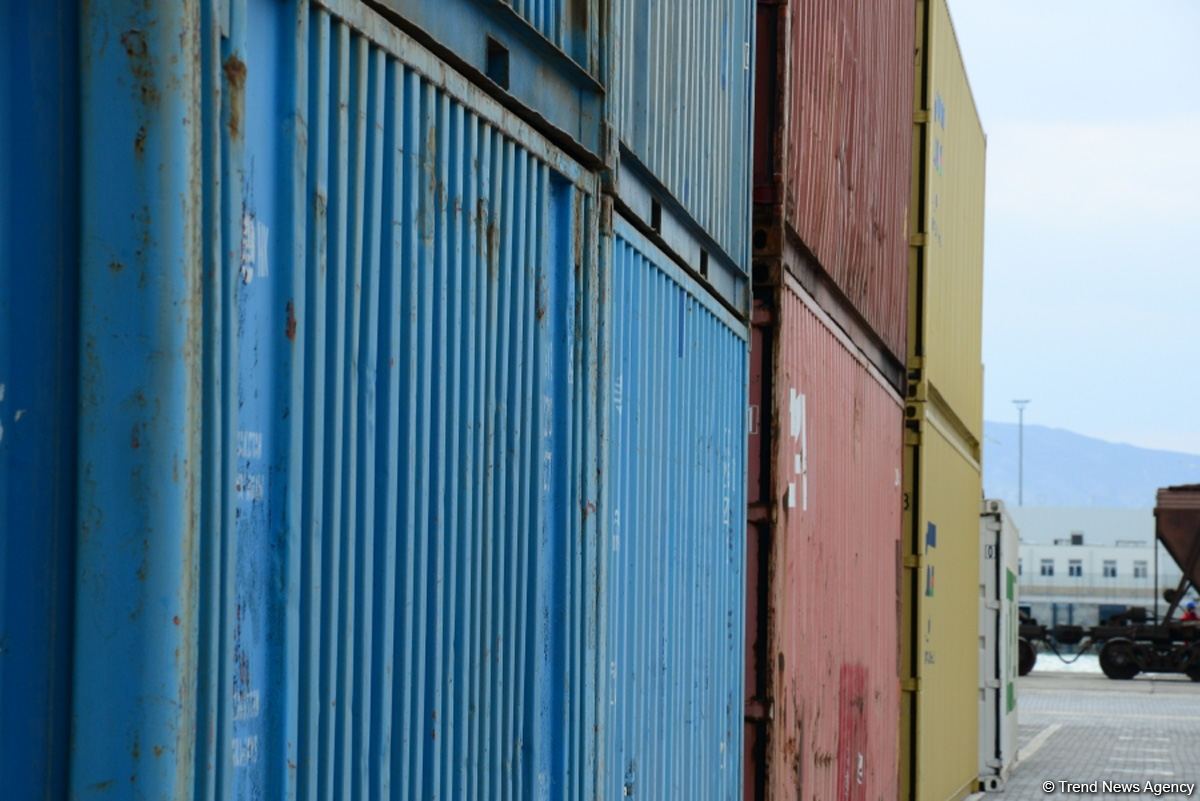
Rising trade turnover highlights the growing economic cooperation and commercial ties between Tajikistan and Turkmenistan.
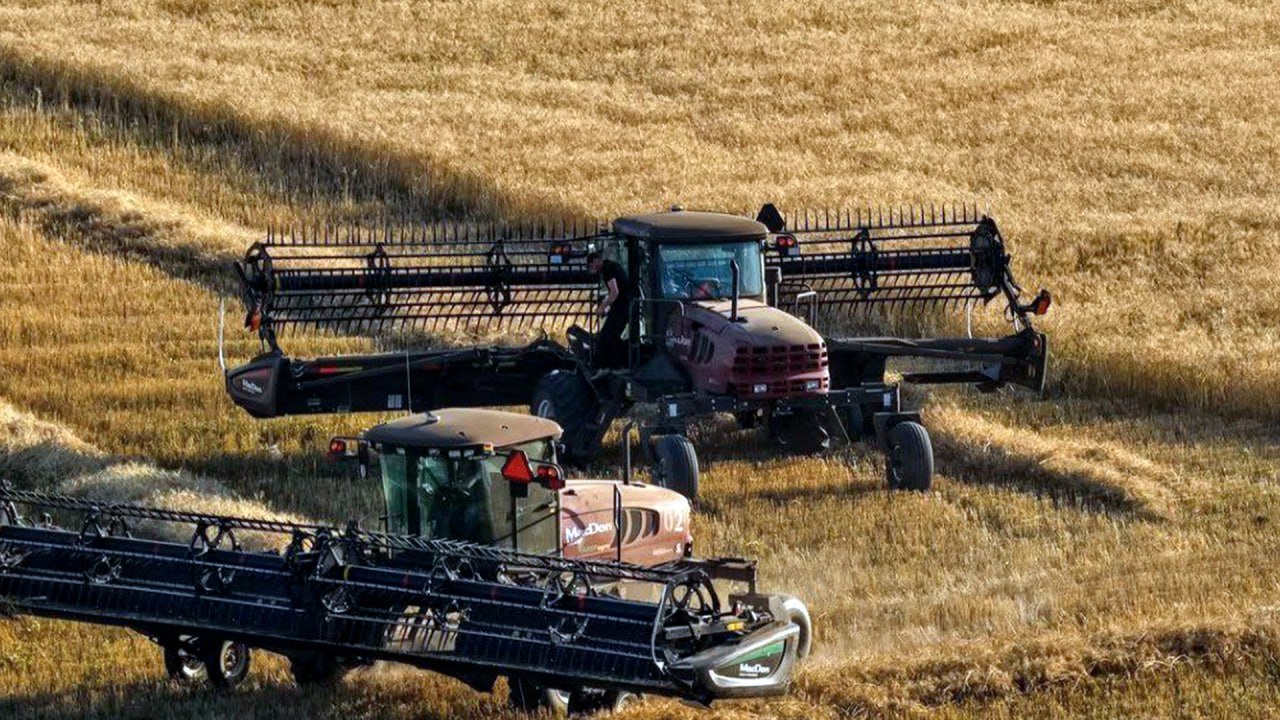
The meeting underscores Kyrgyzstan’s efforts to secure timely fertilizer supplies and modernize its agricultural sector, supporting higher productivity, sustainability, and food security.
UK-Tajikistan trade and investment remain minimal, with significant year-on-year declines in trade flows and negligible FDI levels.

Pakistani company Welt Konnect expresses strong interest in developing a digital bank and major infrastructure projects in Kazakhstan. The company highlights opportunities in renewable energy, tourism, real estate, and education.

From January throught July 2025, Kyrgyzstan’s agricultural processing sector experienced stable growth, with the food industry significantly increasing its production. This sector continues to strengthen its role in the national economy, contributing to improved food security and enhanced export potential.

Kazakhstan is actively diversifying its economy by focusing on deep processing of raw materials, leading to a 6. 1 percent growth in the manufacturing sector from January through July. Key contributors include increases in metal products, engineering, food production, and oil refining.

First Vice President Eshaq Jahangiri underlined that the resistance economy is on the path of being implemented.