
фото показано с : trend.az
2026-2-6 04:03 |
In Azerbaijan, revenues from unemployment insurance contributions have increased compared to the same period last year.
Подробнее читайте на trend.az ...

The estimate for 2025 represents a significant upward revision of 0.8 percentage points compared to the Bank's January 2026 projections.
In early 2026, Azerbaijan's Mortgage and Credit Guarantee Fund supported entrepreneurs with significant loan disbursements. This aligns with the country's focus on developing the non-oil sector and improving financial access.

Travel from Uzbekistan to Thailand continued to grow in early 2026, with tourism accounting for the vast majority of visits, reflecting strong outbound travel demand.
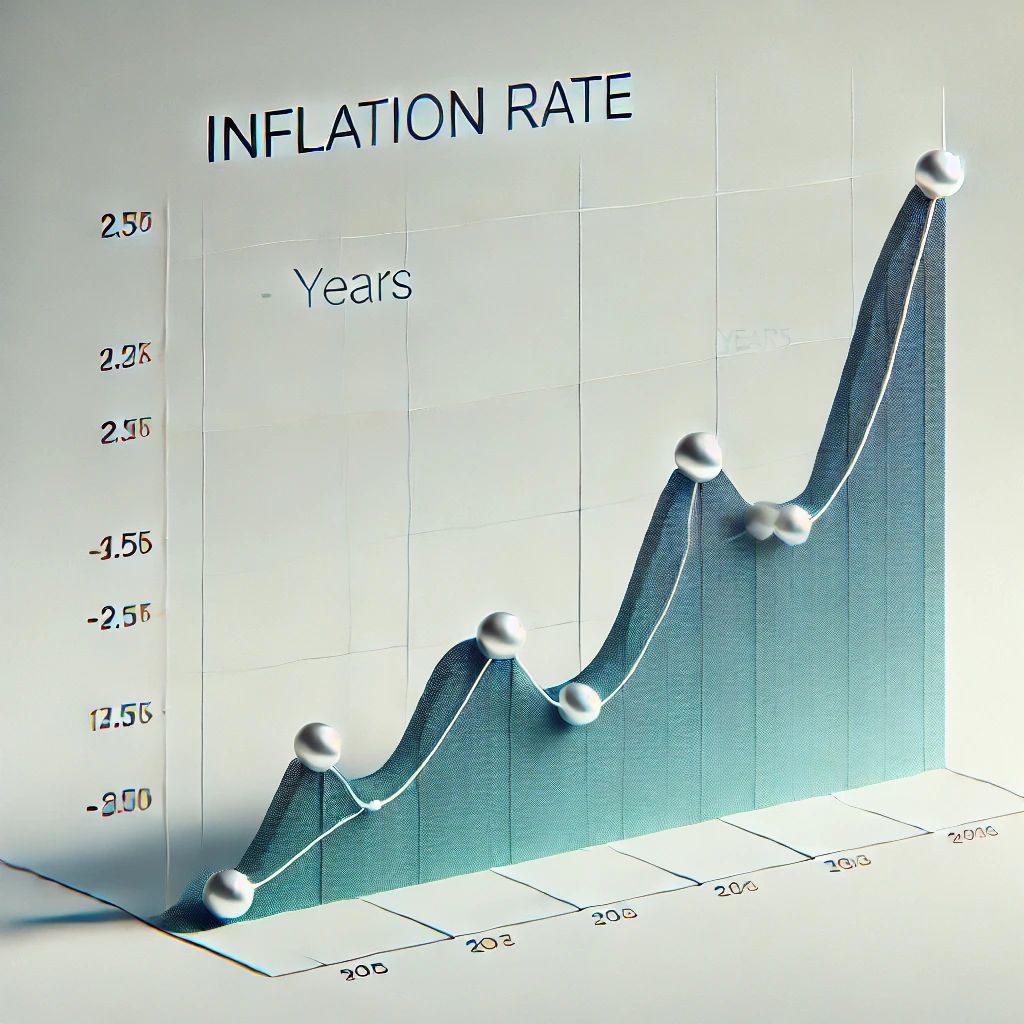
Inflation in the South Caucasus, Central Asia, and West Asia is expected to decrease significantly but remain high, driven by Turkey's monetary tightening and energy subsidy reforms. However, inflation may rise in countries like Kyrgyzstan, Tajikistan, and Turkmenistan due to higher utility costs and external pressures.
Azerbaijan’s debt market declined last year, mainly due to a reduction in government bond volumes. Despite this, other segments showed growth, indicating continued diversification. Overall market activity remained stable with sustained investor participation.
Uzbekistan’s fiscal outlook remains stable as ongoing reforms support consolidation and macroeconomic resilience, though external and fiscal risks continue to persist.
Economic growth in the Caucasus and Central/West Asia is projected to slow in the coming years due to factors such as plateauing oil production, a deceleration in construction, and weakening global demand, with a gradual recovery expected by 2027.