10:17
Azerbaijan unveils key figures on gas transport via TAP
The Trans Adriatic Pipeline (TAP) has transported over 50 billion cubic meters of Azerbaijani natural gas since its launch.


The Trans Adriatic Pipeline (TAP) has transported over 50 billion cubic meters of Azerbaijani natural gas since its launch.
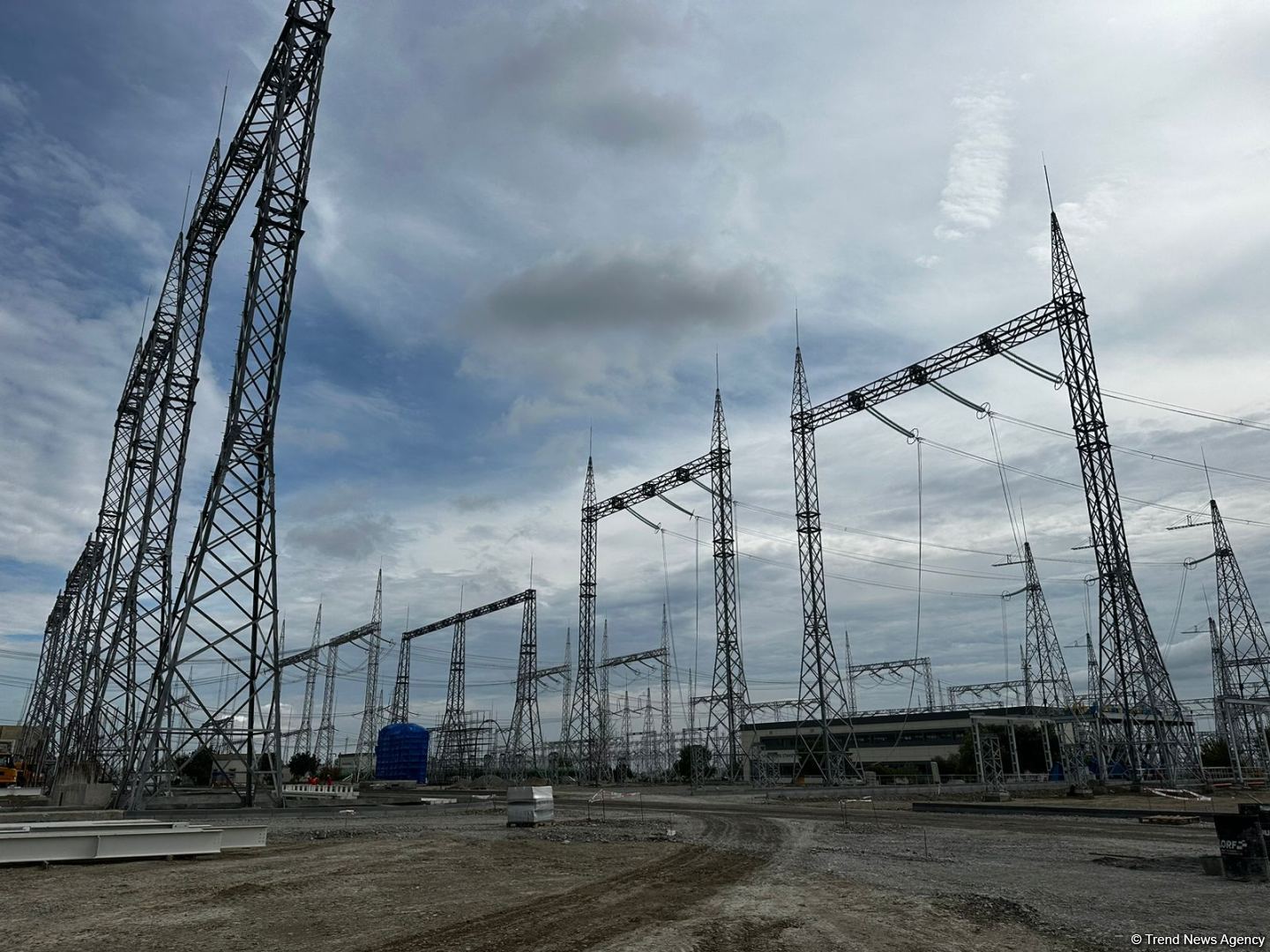
Azerbaijan exported electricity worth $53.8 million from January through September 2025. This represents a decline of $20.7 million, or 27.8 percent, compared to the same period last year ($74.5 million).

Azerbaijan exported crude oil and petroleum products derived from bituminous rocks to 20 countries from January through September of this year.

Azerbaijan exported crude oil and petroleum products to 20 countries over the period from January through September of this year.

Azerbaijan imported 21.2 million cubic meters of natural gas from Russia during the first eight months of 2025. The country spent $3.9 million on the purchase of this volume.

In January–September 2025, Azerbaijan exported 75. 3 million kWh of electricity to Russia, earning $3. 2 million. This marked a drop of 55. 1 million kWh and $4. 1 million compared to the same period in 2024.
ING has forecast Brent crude to average $68 per barrel and Dutch TTF gas at 38

LLP “KMG Barlau,” a KazMunayGas subsidiary, is conducting major seismic exploration projects across Kazakhstan, including 3D work on the Bereke block (Atyrau) and 2D on the Shu-Sarysu block (Ulytau).

Dutch technology is helping to modernize Azerbaijan's water sector, opening up new opportunities for the country's water infrastructure.
Azerbaijan brought in a whopping 734,800 tons of crude oil and products from bituminous rocks, raking in a cool $353.8 million from January through July 2025.

KazMunayGas and Uzbekneftegaz deepen strategic partnership to advance joint projects in petrochemicals, geological exploration, and digital innovation for regional market growth.

In H1 2025, KazMunayGas saw a 53.2 percent rise in dividends from joint ventures and associated companies, totaling 474 billion tenge ($926 million), up from 310 billion tenge ($689 million) in 1H2024.

As of June 30, 2025, KazMunayGas reduced its total debt by 1.9 percent to 3.892 trillion tenge ($7.49 billion), due to currency gains and loan repayments. Net debt fell sharply by over 30 percent in both tenge and dollar terms, reaching 803 billion tenge ($1.55 billion).

The new compressor unit at Kazakhstan’s Dunga field has successfully passed acceptance testing as part of the "Dunga Phase 3" project. The unit, featuring three modules to boost gas pressure and support the gas turbine plant, will enhance infrastructure capacity amid rising production.
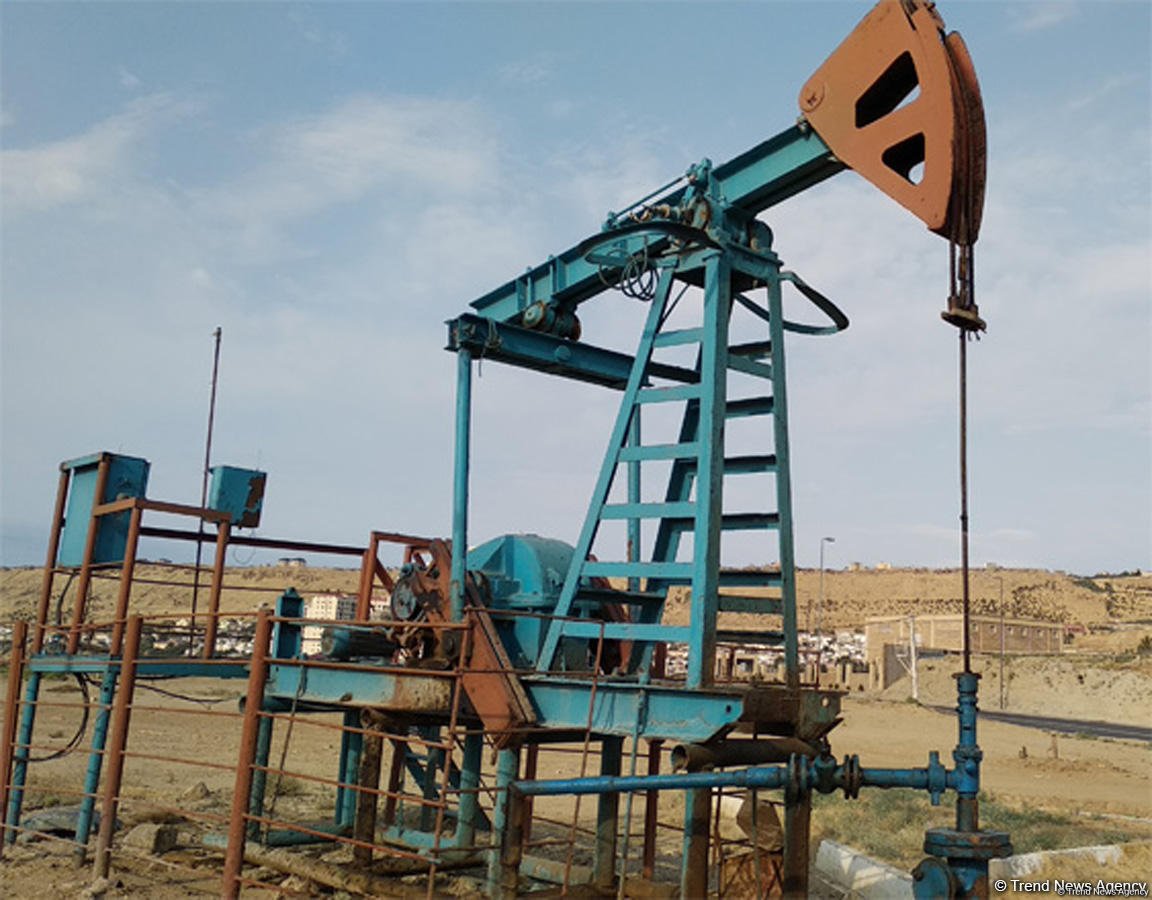
From January to June 2025, SOCAR’s total oil exports slightly increased to nearly 4. 2 million tons year-on-year. This figure includes both oil produced by SOCAR and profit shares from international consortiums operating in Azerbaijan.

Azerbaijan's SOCAR CAPE LLC reported export revenues for the first two months of 2026, according to the Export Review by the Center for Analysis of Economic Reforms and Communication. In comparison, the company’s revenue data for the same period last year was not disclosed.
Petroleum product output declined in early 2026, contrasting with broader growth in Tajikistan’s manufacturing sector.

Azerbaijan's foreign trade in early 2026 saw a decline in both exports and imports, resulting in a reduced trade surplus compared to the previous year.

Azerbaijan's revenues from gas exports to Italy dropped in January 2026 compared to the same period last year. The export value and volume both saw a significant decline. This decrease reflects a notable reduction in both monetary terms and gas volume.
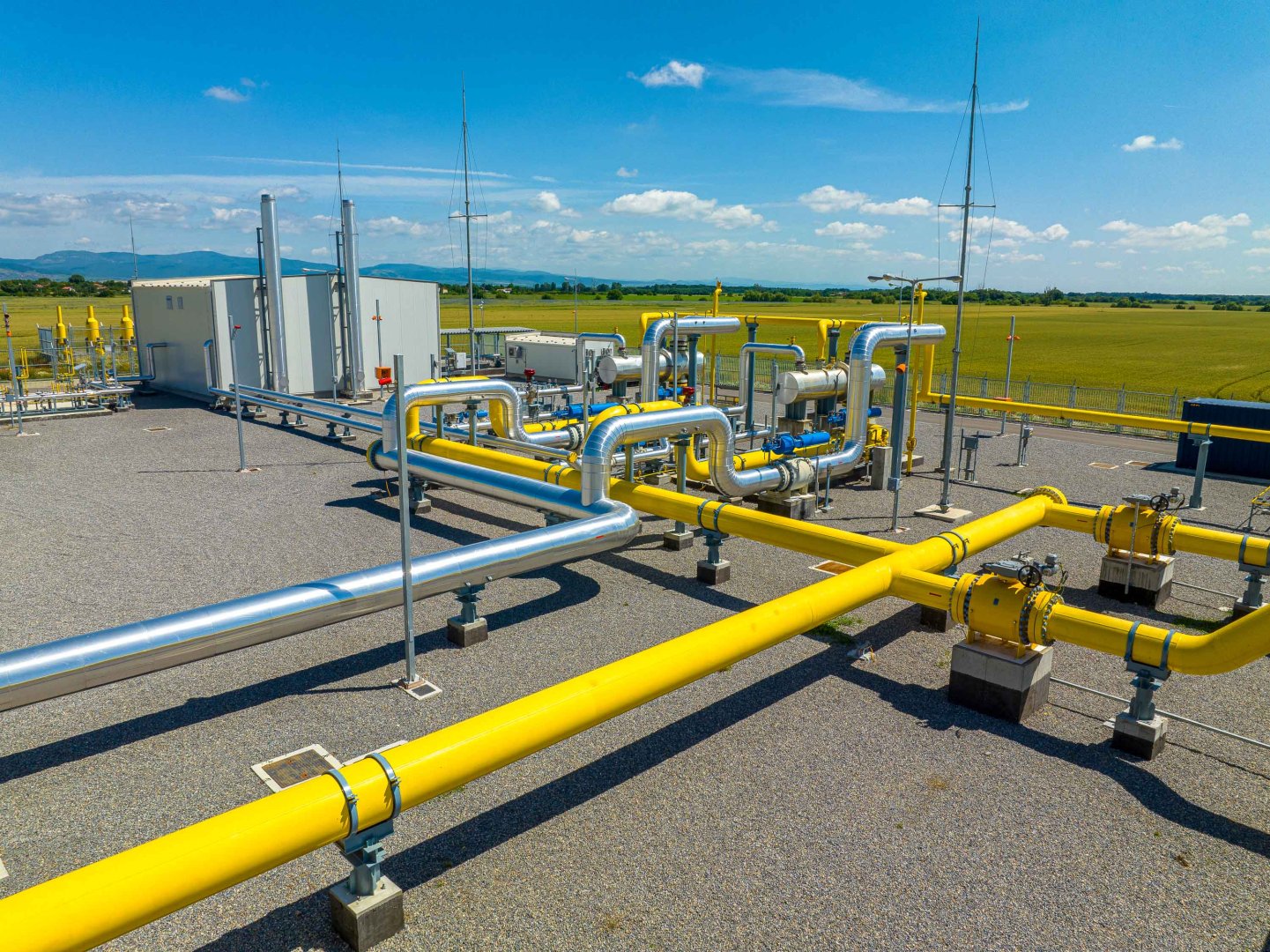
Georgia imported $33.4 million worth of natural gas from Azerbaijan in January, as overall Azerbaijani gas exports and import values declined year-over-year despite relatively stable volumes.
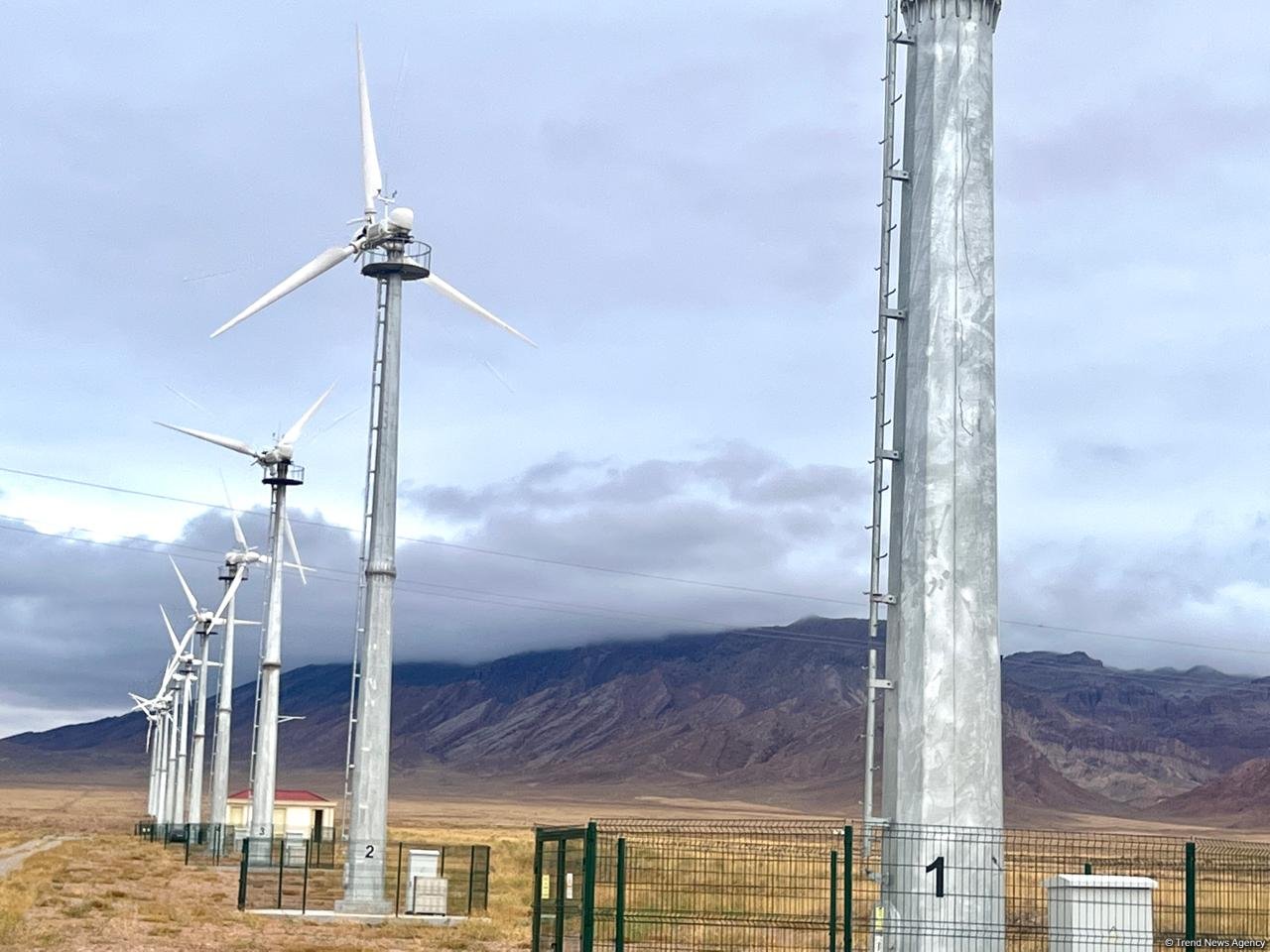
Wind energy production in Azerbaijan experienced substantial growth in early 2026. The output from wind power plants showed a significant increase compared to the same period last year. In contrast, solar energy production saw a small decrease during the same timeframe.

Azerbaijan's extractive industry shows mixed performance in early 2026, with petroleum coke production increasing, while crude oil output and overall sector value experience modest declines.
From January through February 2026, Azerbaijan exported a significant amount of crude oil and petroleum products to Romania. The export value saw a decline compared to the same period last year. Despite this, Romania remained the second-largest importer of Azerbaijani oil.
The report noted that high oil prices and growing risks to the global economy have also negatively affected the outlook.
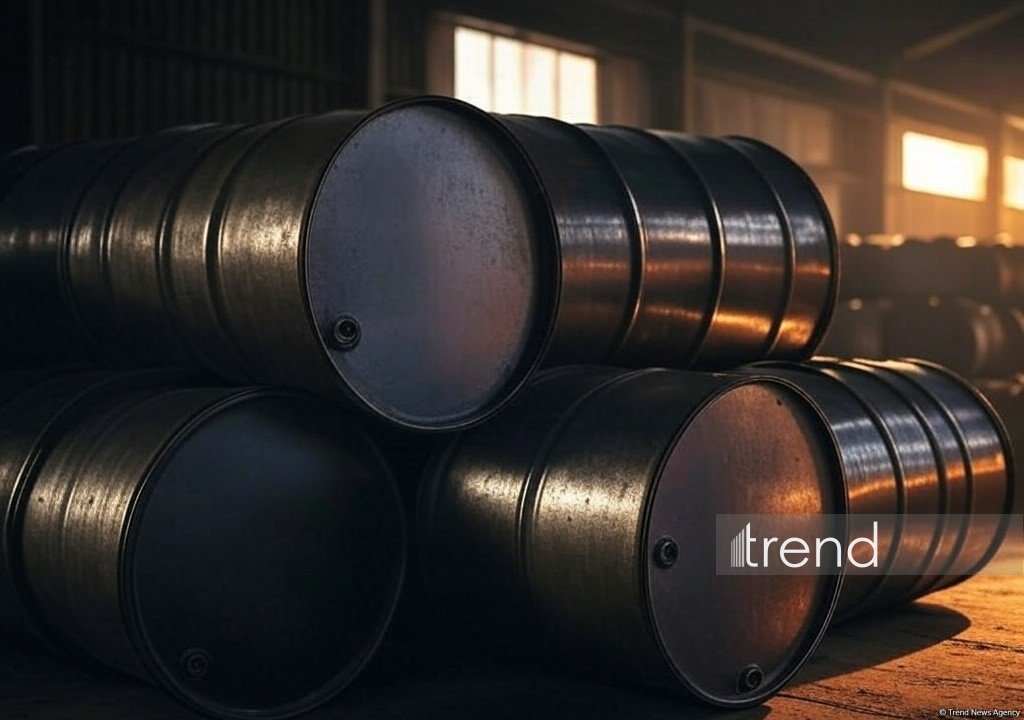
Global oil output is anticipated to surge this year if OPEC+ members stick to their present production agreement.

OPEC+ is expected to maintain steady growth in its oil and liquid hydrocarbon production over the coming years. The organization plans gradual increases in output to meet global demand. Decisions on production targets will be adjusted in response to evolving reserve estimates and market conditions.

ING's updated forecast predicts moderate fluctuations in global energy prices, with slight increases for both Brent crude and Dutch TTF natural gas over the next few years, reflecting evolving market dynamics and supply-demand trends.
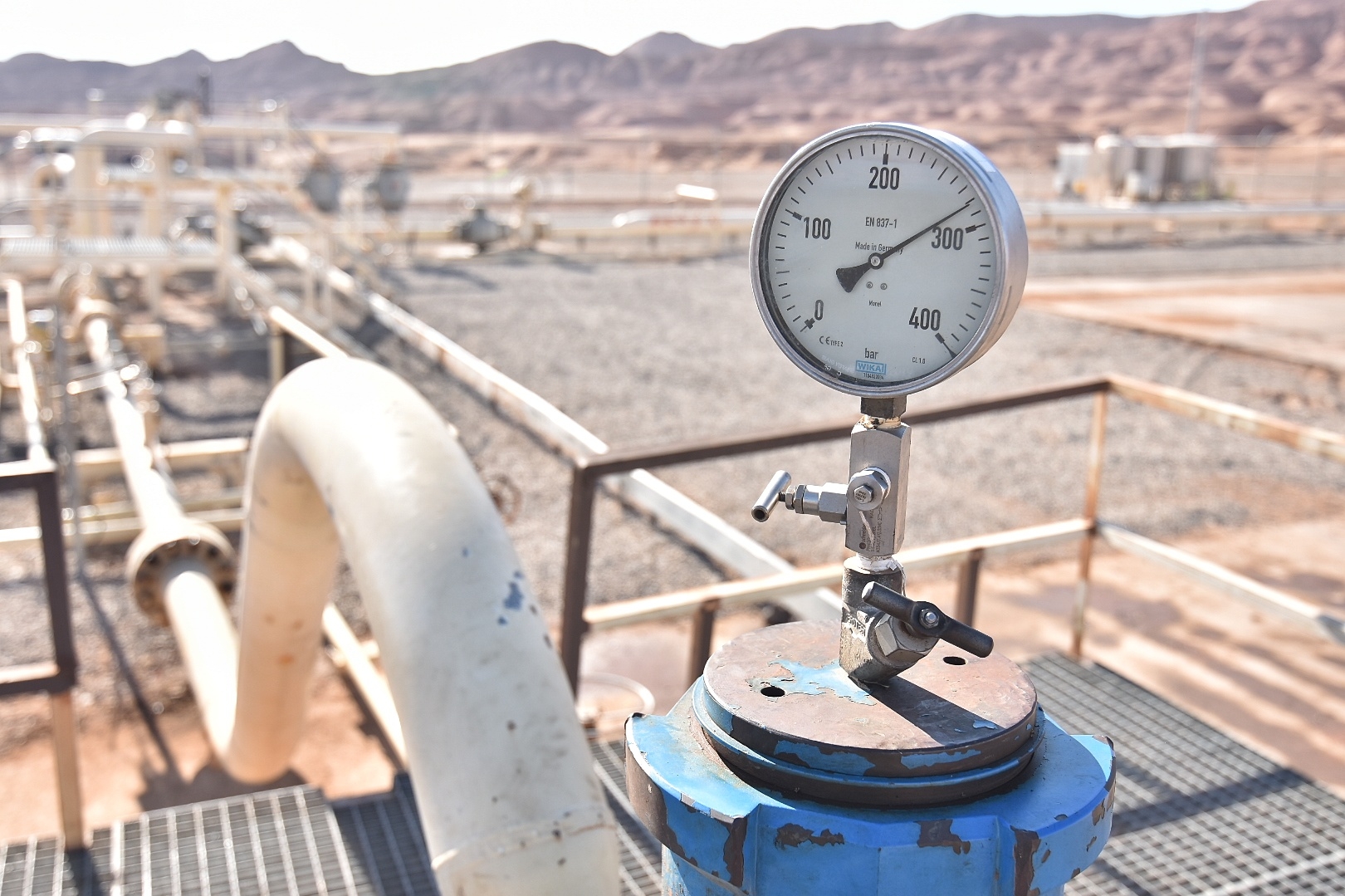
In 2025, Azerbaijan sent 226.1 million cubic meters of natural gas to Serbia, valued at $119.8 million. This was a substantial increase from the previous year.

Azerbaijan's crude oil and petroleum exports saw a notable shift in January, with increased volumes to several countries, though overall export value experienced a significant decline compared to the previous year.

In January 2026, Azerbaijan exported a significant amount of crude oil and petroleum products to Bulgaria. However, data on the previous year's exports to Bulgaria has not been released.

In January 2026, Azerbaijan's power imports from Georgia increased substantially. Imports, in both quantity and value, surged when compared to the corresponding period last year. Both the quantity and cost of imported power have increased significantly, as seen by this growth.
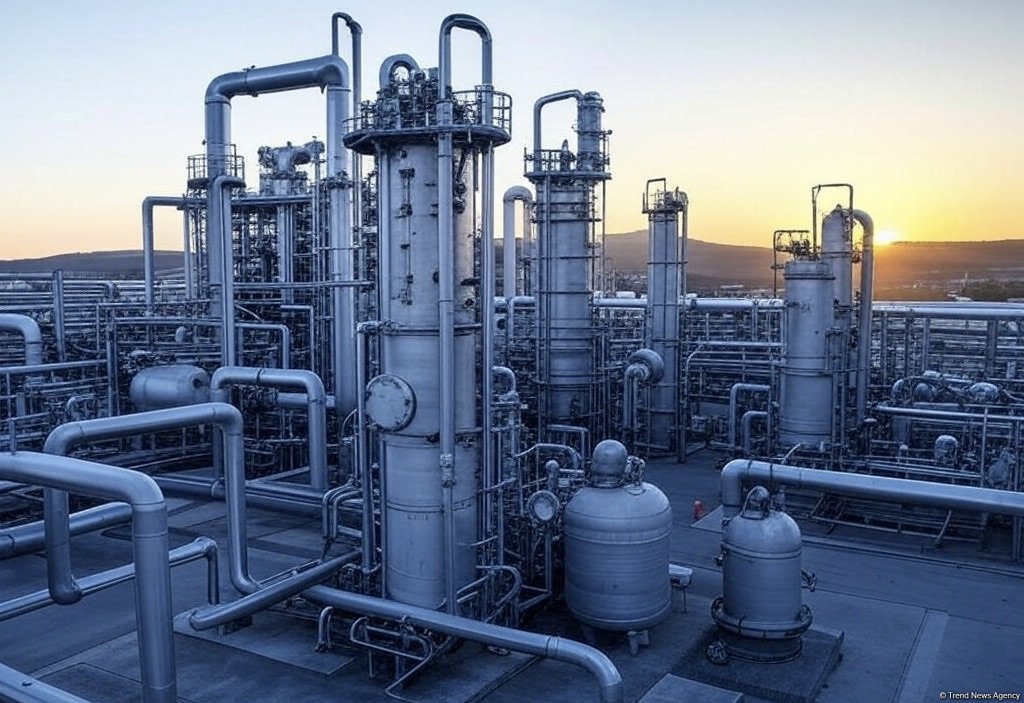
In January 2026, the amount of natural gas sent to Bulgaria from Azerbaijan decreased. Compared to the same period last year, both the volume and value of exports decreased. Both the monetary value and gas volume have dropped significantly, which is reflected in this reduction.
Compared to January 2025, the value and volume of Azerbaijan's natural gas deliveries to Greece fell. A decline in income and a slight decline in gas volume are the causes of the decline.

In January 2026, Azerbaijan exported electricity to Iran, generating moderate revenue. However, both the export volume and value saw a slight decline compared to the same period last year.

Azerbaijan’s trade with foreign countries showed a decline in both exports and imports during the first two months of 2026, reflecting lower oil exports to Bulgaria and a decrease in overall trade turnover.
Azerbaijan's trade dynamics in early 2026 show significant declines in both exports and imports, reflecting broader shifts in commodity markets and economic activity.

Azerbaijan’s production of automotive gasoline and overall oil products declined compared to the previous year, while certain fuels like petroleum coke and fuel oil saw growth.

In the first two months of 2026, the Baku-Tbilisi-Ceyhan (BTC) pipeline saw a decrease in the volume of transit oil. A drop in transportation from prior years was the main factor in the decrease. Azerbaijan was the primary oil producer, with Turkmenistan and Kazakhstan contributing less.

The Czech Republic saw a decline in the quantity and value of Azerbaijan's oil shipments in January and February of 2026. Compared to the same time in 2025, there was a considerable fall in both the value and volume of exports.

Azerbaijan's oil exports to Italy grew in volume but decreased in value during January-February 2026. Despite the drop in value, Italy remained the leading importer. The volume increase highlights ongoing demand for Azerbaijani oil.